 Boffo Lights
2026 Top Lighting Solutions For Warehouse Efficiency Tips?
In the fast-paced world of logistics, effective lighting plays a crucial role. Lighting for warehouse efficiency can significantly impact operations. It influences worker productivity, safety, and energy consumption. Proper illumination reduces accidents and enhances attention to detail.
A well-designed lighting system caters to specific warehouse needs. LED lights are popular due to their longevity and low energy use. They provide consistent brightness, which is essential for tasks requiring precision. Yet, not all lighting solutions are the same.
Reflecting on past choices is essential. Some warehouses have outdated systems that do not meet modern demands. Evaluating lighting needs can lead to improved workflows and better resource management. By prioritizing efficient lighting, warehouses can not only enhance output but also create a safer environment for everyone involved.
Understanding Warehouse Lighting Needs for Enhanced Efficiency
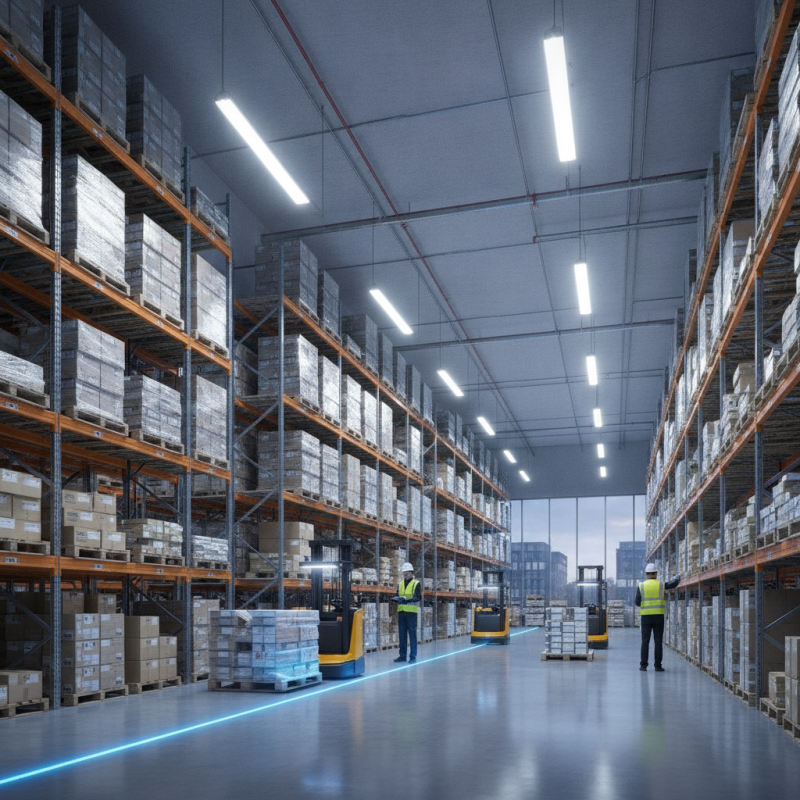
Understanding the lighting needs of a warehouse is crucial for enhancing efficiency. Proper illumination can significantly impact productivity and safety. Warehouses often have high ceilings and vast spaces, requiring effective lighting solutions. Choosing LED lights is popular due to their energy efficiency and long lifespan. They also emit less heat, which can reduce cooling costs in warmer months.
However, not all areas will need the same level of light. For instance, storage zones may require less illumination than picking or packing areas. A thoughtful layout can optimize light placement, ensuring every corner is adequately lit. Yet, it’s essential to consider shadowing and glare. These issues can hinder visibility and create safety hazards.
Also, evaluating natural light sources is beneficial. Skylights can reduce energy costs and improve employee morale. Despite the advantages, relying only on daylight may lead to inconsistencies. Regular assessments of lighting conditions can highlight areas for improvement. Warehouse managers should be open to adapting their lighting strategies over time based on feedback and changing needs.
2026 Top Lighting Solutions For Warehouse Efficiency Tips
| Lighting Solution | Efficiency Type | Benefits | Estimated Savings (%) | Lifespan (Years) |
|---|---|---|---|---|
| LED Lighting | Energy Efficiency | Long lasting, low maintenance | 50 | 15-20 |
| High Bay Lights | Space Utilization | Increased visibility in high ceiling areas | 30 | 10-15 |
| Motion Sensors | Energy Conservation | Automatically dims or turns off when not in use | 20 | N/A |
| T5 and T8 Fluorescent | Cost Efficiency | Lower initial cost | 25 | 7-10 |
| Daylight Harvesting | Natural Light Utilization | Reduces HVAC costs by using sunlight | 15 | N/A |
FAQS
: Effective lighting maximizes efficiency and safety, enhancing productivity. Workers perform tasks more accurately in a well-lit environment.
Energy-efficient solutions reduce electricity costs, last longer, and decrease maintenance needs. They are a smart investment.
Smart systems adjust light levels according to the time of day or activity. This consistency helps maintain optimal working conditions.
Insufficient lighting can lead to mistakes and accidents, including trips and falls. Blind spots increase these safety hazards.
Overly bright lights cause glare, leading to eye strain and discomfort. This negatively impacts focus and productivity.
A reliable lighting plan addresses brightness, energy use, and blind spots. Regular assessments ensure it meets evolving needs.
Worker insights help identify problematic areas. Their perspectives can guide adjustments, making the work environment more effective.
Proper lighting influences not only visibility but also the mood of the workforce. Balancing comfort and brightness enhances productivity.
Inappropriate lighting can create shadowy areas that hide hazards. It's crucial to review space design when choosing lighting.
Regular assessments are necessary for ensuring that lighting performance remains optimal as operations and needs change.
Conclusion
The article titled "2026 Top Lighting Solutions For Warehouse Efficiency Tips" provides a comprehensive overview of how effective lighting can significantly enhance warehouse operations. To achieve optimal "Lighting For Warehouse Efficiency," it’s essential to understand the specific lighting needs that cater to different warehouse tasks. Key features of effective lighting solutions include energy efficiency, adequate brightness, and the ability to reduce glare, which collectively contribute to safety and productivity.
The discussion further explores top lighting technologies that will be pivotal in 2026, such as LED systems and smart lighting controls. Implementing best practices in warehouse lighting strategies is crucial, including regular assessments of lighting effectiveness and employee training on safety awareness. Ultimately, the article emphasizes the tangible benefits of improved lighting on overall warehouse productivity and employee well-being, illustrating that strategic lighting solutions are a vital investment for modern warehouses.
