What Is the Best Lighting for Home Decor?

Time:2026-11-05 Author:Amelia
0%

Good home lighting does more than brighten a room. It helps people read comfortably, prepare meals safely, and notice the warm grain of a wooden table. Yet the best choice depends on the room, its natural light, and how people use it. There is no single fixture that works everywhere.

The U.S. Department of Energy reports that residential LED bulbs use at least 75% less energy and last up to 25 times longer than incandescent bulbs. That makes efficiency an important part of choosing the Best Lighting Solutions For Home Decor, but it is not the whole story. A bright ceiling light can still leave a kitchen counter in shadow. A bedside lamp with a harsh, cool-toned bulb may make a quiet room feel clinical. Small details matter.

A useful plan layers ambient, task, and accent lighting. Think of a soft ceiling fixture, a focused desk lamp, and a low wall light that brings out artwork or texture. Dimmers and appropriately rated bulbs can add flexibility, though they do not fix poor placement. This guide explores how to balance brightness, color, fixture style, and energy use across different rooms. It also leaves room for a practical truth: lighting can look perfect in a showroom and feel wrong at home. Test it where you live.
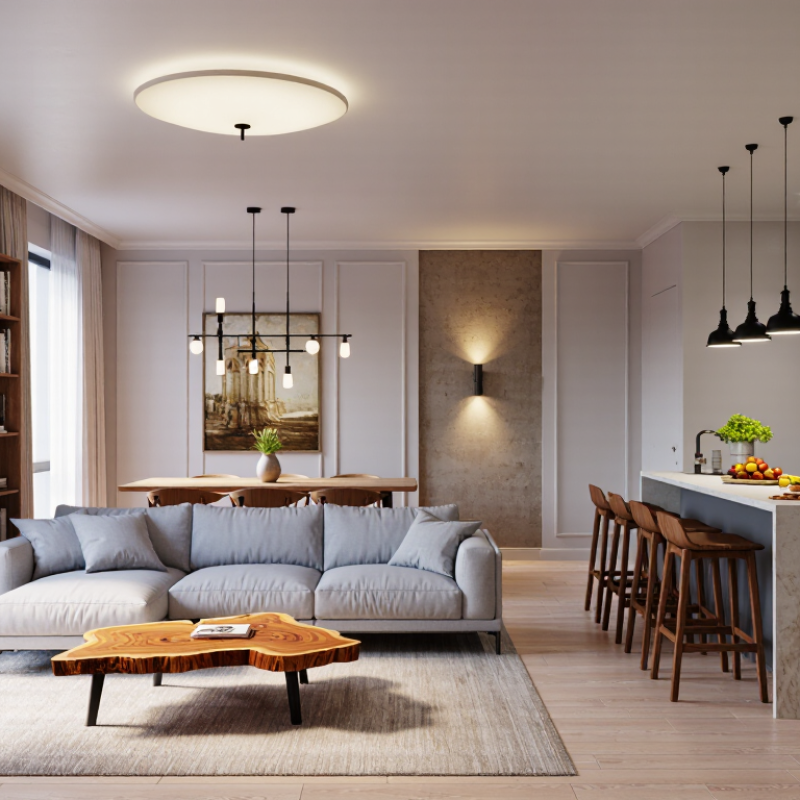
What Is the Best Lighting for Home Decor?

How Lighting Shapes the Function and Mood of a Home

Light does more than reveal a room; it guides how people use it. In a kitchen, bright, even light over counters helps with chopping and cleanup. A pendant above the table can create a softer pool of light for meals. Under-cabinet fixtures reduce shadows where hands work. At a desk, a focused lamp can make reading easier without lighting the whole room. Small changes matter. Still, a bright bulb placed at eye level may cause glare, even when the room looks stylish.

Living rooms often need several kinds of light because their uses change through the day. Ambient light fills the space, while a floor lamp beside a chair supports reading and a small accent light can bring out a shelf or artwork. Warm-toned light often feels restful, but too much warmth can make colors look dull. Bedrooms benefit from gentle, adjustable lighting near the bed, with switches that are easy to reach. Dimmers help, though they cannot fix a poorly placed fixture. Light also shifts with daylight, wall color, and lampshades, so test bulbs in the actual room before choosing several. A carefully planned scheme can still feel flat; moving one lamp a few feet may improve the room more than adding another fixture.

The Three Layers of Residential Lighting

A comfortable room rarely depends on one bright ceiling light. It works better when three layers share the job: ambient, task, and accent lighting. Ambient light sets the overall level, often through ceiling fixtures, recessed lights, or lamps that spread light across walls. At home, soft, even coverage helps people move around without harsh shadows. Dimmers are useful, especially in rooms used for both quiet evenings and busy mornings.

Task lighting makes specific activities easier. A desk lamp should illuminate papers without reflecting on a screen; a reading light works best near the page, not behind the reader’s head. In a kitchen, lights under cabinets can brighten the counter where hands actually work. Small adjustments matter. A lamp that looks attractive in a shop may cast glare at home, so check its position after dark.

Accent lighting adds depth by drawing attention to a painting, textured wall, or shelf. Aimed carefully, it creates contrast; aimed too strongly, it can feel theatrical. That balance is easy to misjudge. Try one light at a time and notice how shadows shift around the room. Warm-toned bulbs often feel inviting, but they may make some colors look different than expected. There is no perfect formula, and an awkward corner may need more than one attempt.

Choosing Light Sources for Different Rooms and Activities

Choosing light sources by room works better than relying on one bright ceiling fixture. In the living room, combine soft ambient light with a shaded floor lamp beside the sofa and a small accent light near artwork. For reading, aim task lighting at the page, not your eyes. In kitchens, place bright, even light over counters; shadows from overhead fixtures can make chopping and measuring harder. Warm-toned lamps often feel calmer in bedrooms, while adjustable lights help when one room serves several purposes.

Light output and efficiency matter, too. The U.S. Department of Energy reports that LEDs use at least 75% less energy and can last up to 25 times longer than incandescent bulbs.

Still, a highly efficient bulb may feel harsh if its brightness or color clashes with the room. I’ve seen this trade-off overlooked: the numbers look good, but dinner feels like a workshop.

Tips: Try a dimmable lamp for evening wind-down, and check the light on your actual wall or countertop before choosing several bulbs. In a home office, position a desk lamp to reduce screen glare. Keep it adjustable. For hallways, gentle, even lighting usually feels more welcoming than a single exposed bulb.

Balancing Brightness, Color Temperature, and Color Accuracy

Good home lighting depends on balance, not simply on choosing the brightest bulb. Start with the room’s purpose: a reading chair needs focused light, while a hallway usually needs softer, even coverage. A desk lamp aimed at a page can help without flooding the whole room. More light is not always better. For comfortable reading, avoid glare on glossy pages and screens.

Color temperature changes how a room feels. Warm light, around 2700K to 3000K, often suits bedrooms and living areas. Neutral white, roughly 3500K to 4000K, can make kitchens and work surfaces feel clearer. These ranges are guides, not rules. Test a bulb after dark; paint and wood can look surprisingly different under it. Test at night.

Color accuracy matters when choosing clothes, arranging flowers, or judging wall color. Look for a high color-rendering index, ideally 90 or above, when faithful color is important. Compare the same fabric or paint sample under your home lighting and near a window. I still misjudge colors when I shop under bright store lights. Dimmers can add flexibility, but check that the bulb and dimmer work together; flicker is an unpleasant surprise. A small table lamp may solve a dark corner better than another ceiling fixture, though I sometimes forget to consider where its cord will run.

What Is the Best Lighting for Home Decor?

Balance brightness with warm, comfortable color and accurate color rendering.

How to use this chart: The bars show a representative target within each typical illuminance range, measured at the task surface. Use dimmers and layered lighting to adapt brightness to the room and activity. For a warm, relaxing feel, consider 2700–3000 K; for focused tasks, 3000–4000 K can feel more neutral. A CRI of 90 or higher is a useful target when faithful color appearance matters.

Planning Fixture Placement and Controls for a Cohesive Home

A cohesive lighting plan starts with activities, not fixture shopping. Map where people read, cook, dress, and unwind, then layer ambient, task, and accent light. Place a pendant over the dining table, under-cabinet lights near the chopping board, and a reading lamp beside the chair. Keep switches reachable at room entrances and seating areas. Small details matter.

Controls should support the way each room changes through the day. Separate task lights from general lighting, and use compatible dimmers where softer evening light is useful. In a sunny living room, adjustable window treatments can reduce glare without forcing every lamp on. The U.S. Department of Energy reports that LEDs use up to 90% less energy and last up to 25 times longer than incandescent bulbs. Efficient fixtures help, but poorly placed light can still feel harsh. I still find that a perfect plan on paper may need a real-life adjustment.

Tips: Test placement before installation. Move a floor lamp to check shadows on a page or countertop. Label switches clearly, and verify that bulbs and dimmers work together. Don’t over-light every corner; a few uneven spots can make a home feel more comfortable.

What Is the Best Lighting for Home Decor? — Planning Fixture Placement and Controls for a Cohesive Home

Room or Area Ambient Lighting Task or Accent Lighting Fixture Placement Recommended Color Temperature Useful Controls
Living room Plan for approximately 100–200 lux for general use, with dimming for evening relaxation. Use a reading lamp to provide roughly 300–500 lux on the reading surface. Add accent light to artwork or shelving as desired. Combine ceiling or wall fixtures with floor and table lamps. Place reading lights beside seating and aim accent lights to avoid glare. 2700–3000 K for a warm, comfortable feel. Separate ambient, reading, and accent lights into zones; use dimmers where compatible.
Kitchen Approximately 200–300 lux across general circulation areas. Aim for roughly 300–500 lux on worktops for food preparation. Use ceiling fixtures for general light. Position under-cabinet lights toward the front of the worktop to reduce shadows from wall cabinets. 3000–4000 K, selected to suit finishes and household preference. Control general, counter, and dining-area lights separately. Consider dimming for meal preparation and entertaining.
Dining area Approximately 100–200 lux for comfortable general lighting. Provide an even pool of light on the table, typically around 150–300 lux. Center a pendant or chandelier over the table; choose a size and hanging height that preserve sightlines and avoid glare. 2700–3000 K for a warm dining atmosphere. Place the dining fixture on its own dimmer so brightness can change between meals and other activities.
Bedroom Approximately 100–200 lux for general use, with lower settings available for winding down. Provide focused bedside light for reading, around 300–500 lux on the page or task surface. Use a ceiling fixture or indirect light for ambient illumination. Place bedside lamps or wall lights so they illuminate reading areas without shining directly into the eyes. 2700–3000 K for a warm appearance. Use separate bedside switches or controls on both sides of the bed where practical; add dimming for ambient light.
Bathroom and vanity Approximately 150–300 lux for general illumination. Provide even vertical light at the mirror; around 300–500 lux on the face is a useful planning range. Use mirror-side fixtures or a well-designed vertical light source to reduce facial shadows. Select fixtures rated for the location and local electrical requirements. 3000–4000 K; consistent color temperature across mirror lights can help maintain an even appearance. Separate vanity and general lighting. Use controls and equipment suitable for the bathroom’s installation zones and regulations.
Hallway and stairs Approximately 50–100 lux in hallways; use brighter, even light on stair treads and landings. Use wall or step lighting to make changes in level and circulation paths easy to see. Space ceiling or wall fixtures to limit dark gaps. Aim lights to avoid glare when approaching stairs. 2700–3000 K for continuity with adjacent living spaces. Use switches at both ends of a passage or stairway, or consider occupancy sensors with suitable timing.
Home office Approximately 200–300 lux for general room lighting. Plan for roughly 300–500 lux at the desk, adjusted for the task and user comfort. Place a desk lamp to the side opposite the writing hand where possible. Position fixtures to reduce reflections on screens. 3000–4000 K; prioritize comfortable, consistent light rather than a single fixed color temperature. Provide independent control of desk and ambient lights. Dimming can help adapt to daylight and screen use.

Planning note: Illuminance figures are practical starting ranges, not universal requirements. Actual needs vary with room finishes, daylight, fixture optics, age, visual tasks, and local standards. Check fixture compatibility before using dimmers or smart controls.

FAQS

How does kitchen lighting support daily tasks?

Bright, even light over counters helps with chopping and cleanup. Under-cabinet fixtures reduce shadows. Small difference, noticeable.

What lighting works above a dining table?

A pendant can create a softer pool of light for meals. Check that it does not shine directly into people’s eyes.

Why use three layers of lighting?

Ambient light fills the room, task lighting supports activities, and accent lighting highlights details. Each has a different job.

Where should a reading lamp be placed?

Put it near the page, not behind the reader’s head. Check for glare after dark.

How can a living room suit different activities?

Combine general light with a floor lamp beside a chair and an accent light near a shelf. One ceiling light may feel flat.

How does warm-toned light affect a room?

It often feels restful, but it can make some colors look dull. Test bulbs beside your walls and lampshades.

Can dimmers fix poorly placed lighting?

No. They adjust brightness, not fixture placement. A bedside switch should also be easy to reach.

How can a flat room feel more layered?

Move one lamp a few feet and watch how the shadows shift. It may help more than adding another fixture.

How should accent lighting be aimed?

Aim it toward a painting, shelf, or textured wall. Too much contrast can feel theatrical, and the balance is easy to misjudge.

Conclusion

The best home lighting does more than make a room visible: it supports everyday activities and helps create a comfortable atmosphere. A cohesive plan combines three layers—ambient lighting for overall illumination, task lighting for focused work, and accent lighting to highlight architectural features or decor. The right balance can make a space feel inviting while keeping it practical.

Choose light sources according to each room’s purpose, and consider brightness, color temperature, and color accuracy to support both comfort and appearance. Kitchens and work areas often benefit from clear, focused light, while living and sleeping spaces may call for softer illumination. Thoughtful fixture placement and accessible controls allow lighting to adapt throughout the day. Together, these choices form Best Lighting Solutions For Home Decor, bringing function, mood, and visual harmony into a home.

Amelia

Amelia

Amelia is a seasoned marketing professional with a wealth of expertise in our company’s core offerings. With an unwavering passion for driving growth and innovation, she plays a pivotal role in shaping our marketing strategies and enhancing brand visibility. A key aspect of her responsibilities......