10 Best Lighting Design Tips For Small Spaces You Must Know?

Time:2026-05-01 Author:Madeline
0%

Creating a well-lit space is crucial, especially in smaller homes. According to industry reports, effective lighting can make a room feel larger and more inviting. In fact, 80% of interior designers emphasize the importance of lighting design in small spaces. Optimizing lighting is not just about aesthetics; it affects mood and functionality too.

Small spaces often face challenges with light distribution. This is where targeted "Lighting Design Tips For Small Spaces" become essential. Layering light sources can enhance depth and warmth. Using mirrors strategically can also reflect light, creating an illusion of space. Despite this, many overlook the power of lighting, missing out on transformational possibilities.

While many tips exist, it's essential to understand that not every strategy works for every space. Personal style plays a role in determining what feels welcoming. Experimenting with different fixtures and placements can lead to unexpected challenges. Reflecting on these trials is vital to achieving the perfect ambiance.
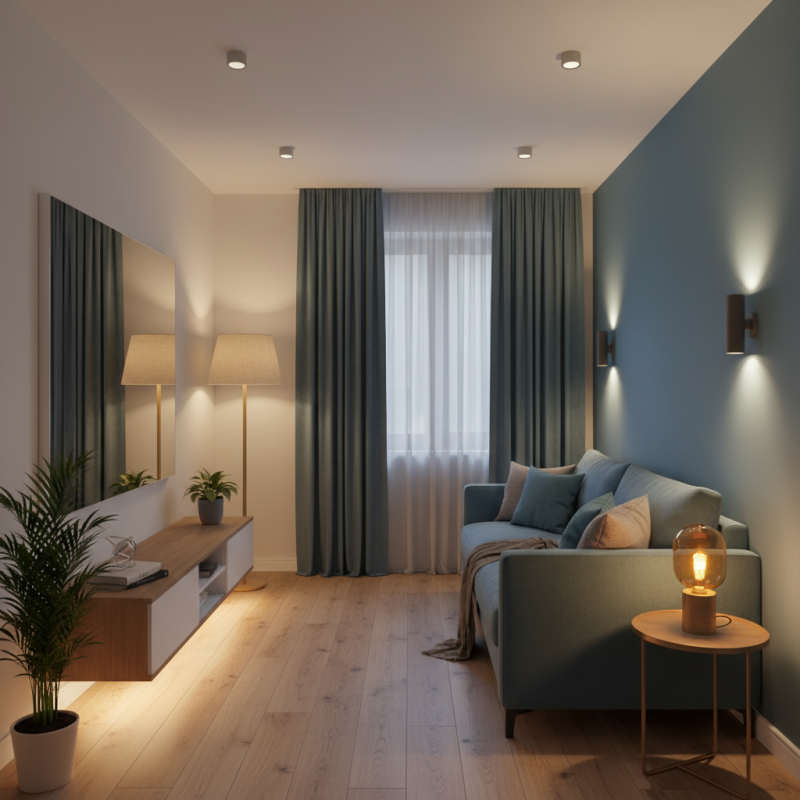
10 Best Lighting Design Tips For Small Spaces You Must Know?

Understanding Small Space Challenges in Lighting Design

Lighting design in small spaces presents unique challenges. Limited room dimensions often cause shadows, making areas appear smaller. Balancing functionality and aesthetics is crucial. A poorly lit corner can feel oppressive. Finding harmony between the light sources is essential for creating an inviting atmosphere.

One common issue is the ceiling height. Low ceilings can trap light, making it hard to illuminate the room evenly. Wall sconces can help draw attention upward, creating an impression of height. Layering light sources can also enhance depth and prevent flatness in a confined area. Dimmer switches can adjust mood and adapt to various needs, but they require careful consideration of placement. It’s vital to avoid overwhelming the space with too many fixtures.

Moreover, color can greatly influence how light works in small spaces. Dark colors absorb light, while light colors reflect it. Choosing the right hues for walls and décor can brighten up the area. Sometimes, a single bold light fixture can serve as a focal point, while other times, subtle ambient lighting does the trick. Reflective surfaces, like mirrors, can amplify brightness, but they can also create confusion if placed poorly. Thoughtful experimentation and reflection on personal taste can guide the best lighting decisions.

Lighting Design Tips for Small Spaces

Choosing the Right Light Fixtures for Compact Areas

Selecting the right light fixtures for small spaces can significantly enhance the overall aesthetic and functionality. In compact areas, every detail counts. Opt for ceiling-mounted fixtures to avoid creating a cluttered appearance. Flush mount lights provide brightness without overwhelming the space. Wall sconces are also a great choice, as they draw attention upward, making the room feel taller.

Consider the brightness and color temperature of your chosen fixtures. Soft white lights create a cozy atmosphere, while cooler tones can help energize the space. Dimmers are an excellent addition, allowing you to control the light intensity based on mood and time of day. It’s worth noting that achieving balance is key. Overly bright fixtures can make a small room feel harsh and uncomfortable.

Reflective surfaces can amplify light. Mirrors or glossy finishes add depth and enhance brightness. However, be cautious; too many reflective elements can create visual chaos. It’s about finding the right harmony. Thoughtful selection of lighting can solve common small space challenges, but sometimes it requires a bit of trial and error. Adapting to your unique needs is a valuable part of the process.

Utilizing Layered Lighting for Depth and Dimension

Layered lighting is essential for making small spaces feel more inviting and spacious. By combining various light sources at different heights, you can create depth and dimension. A report from the American Society of Interior Designers states that proper lighting can increase a home’s perceived space by 15%. This is particularly beneficial in compact areas where every square inch counts.

Consider using ambient, task, and accent lighting to achieve a well-rounded effect. Ambient light provides the overall illumination, while task lighting focuses on specific activities. Accent lighting serves to highlight design elements or artwork. For example, a floor lamp positioned in a corner can draw the eye upward, creating the illusion of higher ceilings. Additionally, using dimmers can allow you to adjust the mood of a room easily, providing flexibility for different times of the day.

Implementing these lighting strategies can be tricky. You might find that the placement of lights needs frequent adjustment to find the perfect balance. It's common to underestimate the importance of lighting when designing small spaces, which can lead to harsh shadows and cramped feelings. Regularly evaluate your lighting choices to ensure they contribute positively to the overall atmosphere.

10 Best Lighting Design Tips For Small Spaces You Must Know

Lighting Tip Description Benefits
Use Multi-Source Lighting Combine ceiling lights, lamps, and candles to create varied light sources. Adds warmth and reduces harsh shadows.
Incorporate Dimmer Switches Install dimmer switches for adjustable lighting intensity. Enhances mood and saves energy.
Use Mirrors Place mirrors opposite light sources to reflect light. Makes space feel larger and brighter.
Opt for Wall Sconces Install wall sconces to save floor space. Free up valuable surface area.
Choose Light Colors Select light-colored lampshades and fixtures. Helps to diffuse light for a softer feel.
Utilize Floor Lamps Incorporate tall floor lamps for uplighting. Creates a cozy, inviting atmosphere.
Layer Task Lighting Add desk or reading lamps to focused areas. Improves functionality without cluttering.
Incorporate Natural Light Maximize windows and use sheer curtains. Boosts energy efficiency and well-being.
Highlight Architectural Features Use spotlighting to draw attention to unique features. Adds depth and interest to the design.
Install Recessed Lighting Use recessed lights in ceilings to save space. Provides a clean, modern look without taking up room.

Incorporating Mirrors to Enhance Light Reflection

Mirrors can transform small spaces by enhancing light reflection. A well-placed mirror can create an illusion of depth, making the room feel larger. According to the American Institute of Architects, reflective surfaces can increase perceived space by up to 30%. This is crucial in tight areas where every inch counts.

When it comes to placement, consider the light source. Position mirrors opposite windows to bounce natural light around. The result? A brighter, more inviting atmosphere. However, not all designs embrace this concept seamlessly. Wrong placements can lead to uncomfortable reflections or an overly busy appearance.

Textures matter too. A mirror with a textured frame can add another layer of interest while still performing its reflective duties. According to a study by the National Lighting Bureau, mixed materials can improve the aesthetic quality of a space by 20%. Hence, explore different frames to find a balance between style and functionality.

Leveraging Natural Light to Boost Illumination

Natural light can transform a small space. It creates warmth and openness that artificial lights struggle to achieve. Position your furniture to maximize window use. Keep the area around windows clutter-free for unobstructed light flow. This simple adjustment can brighten up a gloomy corner.

Using mirrors strategically can amplify the effect of natural light. Place mirrors opposite windows to reflect sunlight throughout the room. It enhances brightness while making the space feel larger. Experiment with different angles. Sometimes, a slight shift can yield better results.

Choosing light-colored curtains or blinds allows more natural light to enter. Heavy fabrics block sunlight, darkening the space. Consider sheer options that offer privacy while letting sunlight in. Regularly clean windows to remove dust and grime that can dim the light. Every detail matters in achieving a bright, inviting small space.

FAQS

: How should I choose light fixtures for small spaces?

: Opt for ceiling-mounted fixtures to reduce clutter and choose flush mount lights for efficient brightness.

What type of lighting creates a cozy atmosphere?

Soft white lights create a warm, inviting feel in small rooms.

How can I control light intensity in a small area?

Use dimmers to adjust light levels according to mood and time of day.

What should I consider when using mirrors for lighting?

Position mirrors opposite windows to reflect natural light and create a brighter space.

Can reflective surfaces enhance small rooms?

Yes, reflective surfaces can amplify light and create an illusion of depth, but too many can cause chaos.

How can I maximize natural light in tight spaces?

Arrange furniture to avoid blocking windows and keep areas around them clutter-free for better light flow.

What kind of window treatments allow more light?

Sheer curtains or blinds let more natural light through compared to heavy fabrics.

Does the texture of a mirror matter?

Yes, a textured frame can add interest while still enhancing light reflection in a room.

Is trial and error important in lighting design?

Yes, sometimes finding the right lighting balance requires experimentation for your specific needs.

How can I maintain brightness in small spaces?

Regularly clean windows to remove dust. Details like this can significantly improve natural light quality.

Conclusion

When it comes to enhancing small areas, employing effective lighting design tips for small spaces is essential. First, understanding the unique challenges these compact environments present allows designers to choose suitable light fixtures that maximize functionality without overwhelming the space. Layered lighting plays a critical role in adding depth and dimension, creating a more spacious feel by mixing ambient, task, and accent lights.

Incorporating mirrors strategically can further enhance light reflection, making the area appear larger and brighter. Additionally, leveraging natural light not only bolsters illumination but also creates an inviting atmosphere. By following these lighting design tips for small spaces, anyone can transform their compact areas into functional and aesthetically pleasing environments.

Madeline

Madeline

Madeline is a dedicated marketing professional with a wealth of expertise in our company's core offerings. With a keen understanding of the industry, she brings a unique perspective to her role, consistently delivering high-quality content that highlights the superior aspects of our products. As......