10 Best Lighting Solutions for Healthcare Environments?

Time:2026-09-04 Author:Charlotte
0%

In healthcare environments, effective lighting plays a crucial role in patient well-being and staff efficiency. Dr. Sarah Thompson, an expert in healthcare design, emphasizes the impact of proper lighting: "The right lighting can transform a hospital space, fostering healing and comfort." Lighting For Healthcare Environments needs careful consideration, as it influences mood and safety.

Many facilities overlook the importance of lighting. Some areas remain dimly lit, creating discomfort for patients and staff. Inadequate lighting can lead to anxiety and hamper recovery. Bright, well-distributed light can enhance focus and alertness, essential for healthcare professionals.

Investing in quality lighting solutions is not just a choice; it’s a necessity. Innovative technologies offer opportunities for improvement, yet many organizations still hesitate. Reflecting on current setups can reveal significant opportunities for enhancement in patient care. When we rethink lighting, we can create environments that truly support healing and well-being.
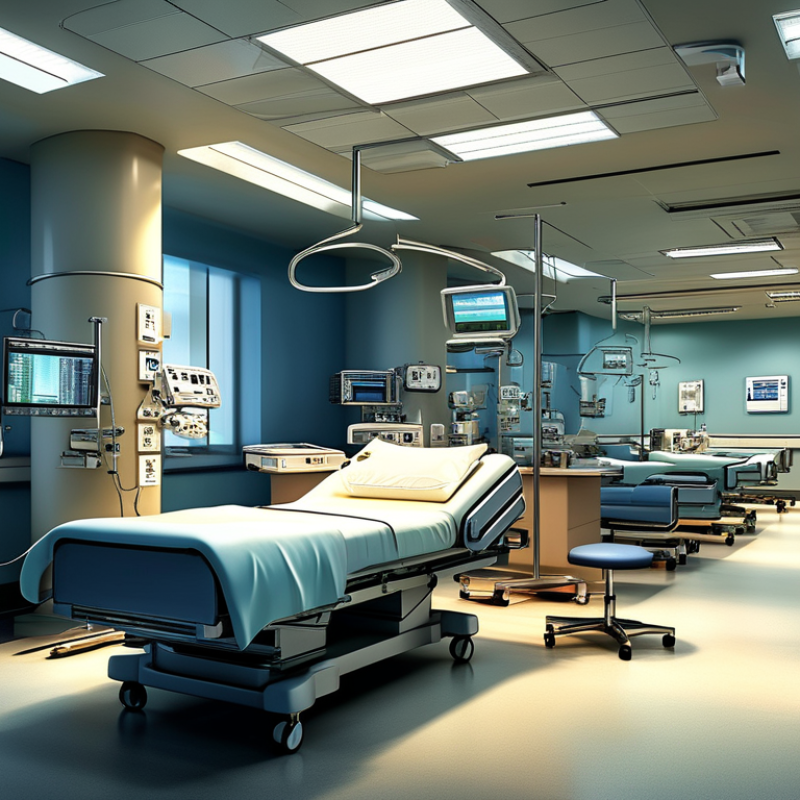
10 Best Lighting Solutions for Healthcare Environments?

Understanding the Importance of Lighting in Healthcare Environments

Lighting plays a crucial role in healthcare environments. It significantly impacts patient mood and recovery. Well-designed lighting can enhance a sense of calm and improve focus for both patients and staff. Bright, harsh lights may lead to stress and anxiety, while warm, soft lighting encourages relaxation.

In surgical areas, precise lighting is essential. Surgeons need clear visibility without glare. This can affect precision during procedures. Natural light exposure can boost morale among medical staff. However, it must be controlled to avoid potential distractions. Balancing these factors is a challenge that requires careful planning.

When evaluating lighting solutions, consider the purpose of each space. Areas for patient rest need different lighting than examination rooms. Flexibility is key; dimmable lights can adjust to various needs. Healthcare providers must also reflect on how lighting affects overall well-being. It’s not just about illumination, but creating an environment that supports healing.

10 Best Lighting Solutions for Healthcare Environments

Lighting Solution Type Application Area Key Benefits
LED Panel Lights Ambient Lighting Patient Rooms Energy-efficient, even illumination
Task Lighting Direct Lighting Examination Rooms Focused brightness for detailed work
Daylight Simulation Lights Circadian Rhythm Lighting Waiting Areas Improves mood and reduces anxiety
Adjustable Bedside Lighting Personalized Lighting Patient Beds Enhances patient comfort and accessibility
Color-Tuneable Lights Dynamic Lighting Surgical Rooms Adjustable hues for specific tasks
Emergency Backup Lighting Safety Lighting Entire Facility Ensures visibility during power outages
Sensor-Activated Lights Automated Lighting Corridors Energy-saving and hands-free
Decorative Ambient Lights Atmospheric Lighting Lobbies Creates a welcoming environment
Smart Lighting Systems Integrated Systems Administrative Areas Convenience and energy management
LED Surgical Lights High-intensity Lighting Operating Rooms Optimal clarity and minimal heat

Key Features of Effective Lighting Solutions for Medical Facilities

Effective lighting solutions in healthcare are crucial for patient wellbeing, staff efficiency, and safety. Multiple studies, including one by the American Institute of Architects, found that proper lighting can reduce patient anxiety and enhance recovery speeds. It is essential to focus on three key features when designing lighting for medical facilities: adaptability, color temperature, and energy efficiency.

Adaptability is vital in healthcare settings. Different areas require distinct lighting setups. For instance, examination rooms need bright, focused light, while patient recovery areas benefit from softer, warmer light. This flexibility can support the diverse needs of staff and patients throughout their experiences.

Color temperature also plays a significant role in influencing mood and alertness. Lighting in the range of 4000K to 5000K is often ideal for workspaces. In contrast, a lower color temperature, around 2700K to 3000K, can create a more soothing atmosphere for patients. Research indicates that environments with adjusted light temperatures can significantly enhance sleep quality.

Consider monitoring energy efficiency as well. Energy-efficient LEDs can reduce operational costs and are better for the environment. However, transitioning to energy-efficient solutions may encounter resistance due to initial costs. Regular assessments are key to balancing financial considerations with sustainable practices.

When planning lighting solutions, ensure that all features complement the healthcare environment's specific needs. Engaging with staff about their experiences can provide valuable insights for improvement.

Types of Lighting Technologies Used in Healthcare Settings

Lighting plays a crucial role in healthcare environments. Different lighting technologies can impact patient well-being and staff efficiency. LED lighting is widely used due to its energy efficiency and longevity. It provides bright, clear illumination, essential in areas like surgical rooms. Additionally, LED lights can reduce eye strain for medical professionals.

Natural light is also vital in healthcare settings. Large windows and skylights help to enhance mood and improve patient recovery times. However, relying solely on natural light can be challenging. It varies with weather and seasons, affecting the balance of light in critical areas.

Smart lighting solutions are becoming increasingly popular. These allow for adjustable brightness and color temperature, catering to different times of day or specific tasks. While technology can improve environments, it can also lead to complexity. Staff may require training to optimize these systems effectively. Overall, finding the right balance of lighting is essential in creating a healing environment.

Designing Lighting for Different Areas in Healthcare Facilities

Designing lighting for healthcare facilities requires a careful approach. Different areas serve unique purposes and demand specific lighting solutions. For patient rooms, soft illumination helps create a calming atmosphere. Consider using dimmable fixtures. This allows adjustments based on time of day and patient needs.

In areas like surgical suites, precision is key. Bright, focused lighting aids surgeons during critical procedures. Daylight simulation can enhance alertness for healthcare professionals. These choices must balance brightness and comfort to minimize glare.

Tips for effective lighting design include involving staff in discussions. Their insights can reveal how lighting impacts daily tasks. Regularly evaluate lighting effectiveness with staff feedback. Also, consider the color temperature of lights. Warm tones contribute to a comforting ambiance, while cooler tones can enhance focus. Adjusting these elements can significantly influence both patient recovery and staff productivity.

Best Practices for Implementing Lighting Solutions in Healthcare Spaces

Effective lighting in healthcare environments is crucial for enhancing patient comfort and staff efficiency. Research indicates that optimal lighting can reduce errors in medication administration by 25%. This highlights the importance of thoughtful design in such spaces. Incorporating natural light is one best practice. Studies have shown that exposure to natural light can improve mood and recovery speeds in patients.

Consideration should be given to the type of light used. Blue light, for example, can enhance alertness, which is beneficial for staff during night shifts. However, balance is key. Too much blue light may disrupt circadian rhythms. This complexity underscores the need for tailored lighting solutions. Soft, adjustable lighting in patient rooms can create a calming atmosphere, directly impacting patient satisfaction scores.

Implementing dimmable lighting systems allows for flexibility. Staff can adjust brightness to suit specific tasks or patient needs. This adaptability not only improves functionality but also fosters a sense of control for patients. Carefully designed lighting can also mitigate glare on surfaces, preventing eye strain during long shifts. However, monitoring and updating lighting plans over time is essential for continuous improvement.

FAQS

: Why is lighting important in healthcare environments?

: Lighting significantly impacts patient mood and recovery. It enhances calmness and focus for patients and staff.

How does the type of lighting affect patients?

Bright, harsh lights can lead to stress. Warm, soft lighting encourages relaxation and a sense of comfort.

What should surgical areas prioritize in lighting design?

Surgical areas need precise, glare-free lighting for clear visibility. This ensures accuracy during procedures.

How can healthcare lighting adjust to different needs?

Dimmable lights allow for adjustments. This flexibility is crucial for patient comfort and staff efficiency.

What role does color temperature play in healthcare lighting?

Color temperature impacts mood. Warmer tones create soothing atmospheres, while cooler tones enhance focus in workspaces.

What are the benefits of energy-efficient lighting in healthcare?

Energy-efficient solutions reduce costs and environmental impact. However, initial costs may deter some from transitioning.

How can staff involvement improve lighting solutions?

Engaging staff reveals their experiences. Their feedback helps evaluate lighting effectiveness and guide necessary adjustments.

What challenges exist when designing lighting for healthcare?

Balancing brightness and comfort can be difficult. Effective lighting must reduce glare while supporting patient recovery.

How does natural light influence the healthcare environment?

Natural light can boost staff morale. However, it must be controlled to prevent distractions during critical tasks.

Why is regular assessment of lighting important?

Regular evaluations ensure that lighting meets changing needs. This helps maintain an environment that supports healing.

Conclusion

Lighting for healthcare environments plays a crucial role in enhancing patient comfort and improving clinical outcomes. Effective lighting solutions must consider various key features such as brightness, color temperature, and energy efficiency, which are essential for reducing eye strain and creating a calming atmosphere. Different types of lighting technologies, including LED and natural light sources, offer unique advantages in medical settings, catering to the specific needs of patients and healthcare providers alike.

Designing lighting for different areas within healthcare facilities, such as patient rooms, examination areas, and waiting rooms, requires careful consideration of the intended use and adequate illumination levels. Best practices for implementing lighting solutions involve strategic planning, utilizing adaptive lighting designs, and ongoing assessment of their impact on well-being. By prioritizing effective lighting strategies, healthcare environments can foster healing and create a more inviting atmosphere for both patients and staff.

Charlotte

Charlotte

Charlotte is a seasoned marketing professional with a deep understanding of the company's portfolio and a passion for elevating its presence in the market. With a keen eye for detail and a commitment to excellence, she ensures that our professional blog is regularly updated with insightful articles......