7 Best Lighting Solutions for Industrial Applications

Time:2026-09-09 Author:Liam
0%

Industrial facilities need lighting that supports safety, accuracy, productivity, and long-term operating control. Lighting For Industrial Applications must perform under dust, vibration, heat, moisture, and demanding work schedules. A poorly selected fixture can create glare over a conveyor, deep shadows beneath equipment, or uneven brightness across a warehouse aisle. Small details matter.

Dr. Mariana Figueiro, a respected lighting researcher and director of the Lighting Research Center, states, “Light is the most powerful synchronizer of the human circadian system.” Her observation reminds facility managers that industrial lighting affects more than visibility. It can influence alertness, comfort, fatigue, and shift-work conditions. Good design therefore considers brightness, color quality, flicker, beam distribution, controls, and maintenance access.

The seven solutions examined here include LED high-bay fixtures, linear lighting, task lighting, motion-controlled systems, daylight-integrated designs, explosion-protected luminaires, and smart lighting networks. Each option serves a different operational need. High bays may illuminate tall storage areas effectively, while task lights can reveal fine defects on an assembly bench. Controls can reduce energy waste, but only when sensors are correctly positioned and maintained.

No solution is perfect. A bright factory floor may still contain dangerous shadows. A smart system may become unreliable without staff training. Initial cost can also distract from maintenance savings, energy use, and worker comfort. This guide compares practical strengths, limitations, installation considerations, and suitable industrial environments, helping decision-makers choose lighting that performs beyond the product brochure.
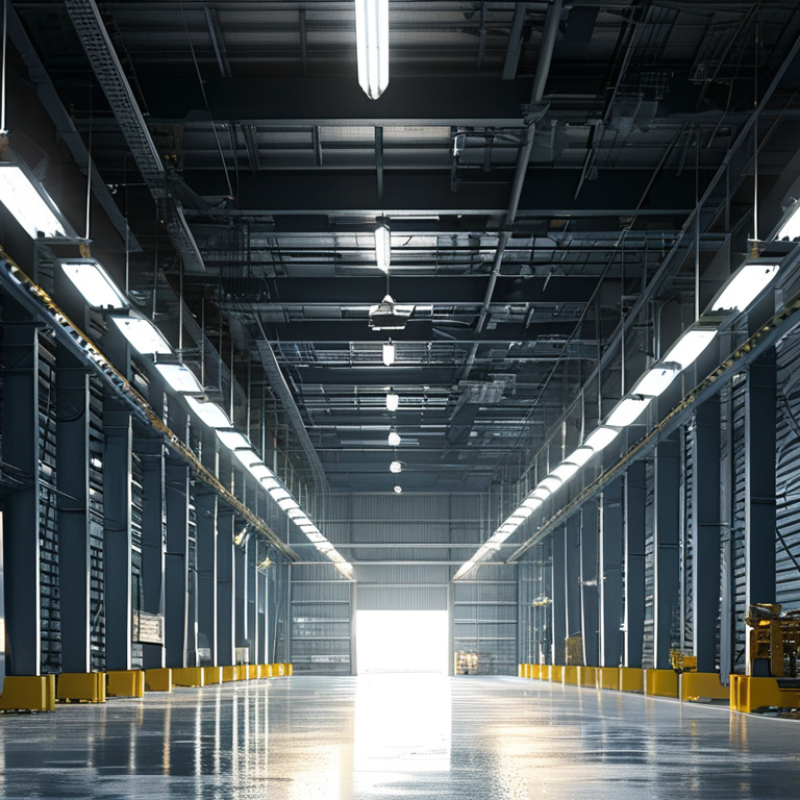
7 Best Lighting Solutions for Industrial Applications

Industrial Lighting Requirements and Selection Criteria

Industrial facilities demand more than bright fixtures. Lighting must support safe movement, accurate inspection, equipment visibility, and reliable production during long shifts. Selection starts with the task.

High-bay lighting suits warehouses with tall ceilings. Low-bay fixtures fit shorter production areas. Linear systems spread light across assembly lines. Sealed vapor-tight units resist dust, moisture, and cleaning spray.

Hazardous-location fixtures require carefully verified construction for combustible environments. Task lights improve close inspection. Emergency lighting supports safe evacuation during power loss. Each solution needs a measured purpose, not a fashionable specification.

Start by checking the required illuminance for each work area. A packing station needs different performance from a storage aisle. Evaluate beam angle, glare, color rendering, flicker, and color temperature. High color rendering helps workers detect defects and surface changes.

IP and impact ratings should match dust, water, vibration, and cleaning methods. Ambient heat also matters, especially near furnaces or enclosed ceilings. Controls can reduce energy use through occupancy and daylight sensing, but poor placement may cause unwanted switching.

I have seen bright installations still create dark shadows under machinery. That mistake is easy to miss on a showroom floor. Review maintenance access, driver life, emergency testing, and local electrical codes before approval.

Photometric plans help, yet an on-site trial often reveals uncomfortable glare or uneven illumination. Reliability is not only a product claim; it depends on installation, inspection, and realistic operating conditions.

LED High-Bay Lighting for Large Industrial Spaces

LED High-Bay Lighting for Large Industrial Spaces

Large industrial spaces need more than bright fixtures. They need consistent illumination across aisles, loading zones, and elevated work areas. LED high-bay lighting can reduce energy use while providing clearer visibility than older discharge lamps. In practice, mounting height matters greatly. Fixtures installed above 6 meters often need narrow or medium beam angles. Wider beams may create dark areas between storage racks. A neutral color temperature around 4000K to 5000K usually supports accurate visual work without feeling harsh. Choose suitable ingress protection when dust, moisture, or temperature changes are present.

Tips: Measure light levels at worker height, not only beneath each fixture. Check glare from polished floors and metal surfaces. Add occupancy controls in areas with irregular activity. Keep emergency lighting separate and compliant with local requirements.

Maintenance is easy to underestimate. Dust on lenses can reduce output, even when the LEDs still appear bright. Create a cleaning schedule based on actual site conditions. I have seen well-designed layouts perform poorly because high shelves blocked side illumination. That mistake is easy to miss on a drawing. Review light readings after installation, then adjust spacing if shadows remain. A reliable plan should also consider driver life, replacement access, ambient heat, and future changes to the floor layout. Perfect calculations are not enough. Real spaces behave differently.

Linear Lighting Systems for Warehouses and Production Lines

7 Best Lighting Solutions for Industrial Applications: Linear Lighting Systems for Warehouses and Production Lines

Linear lighting systems suit long warehouse aisles, conveyor lines, and high-bay production areas. Their continuous distribution reduces dark gaps between fixtures.

This matters when operators read labels, inspect surfaces, or move materials beneath tall ceilings. The International Energy Agency reports that lighting uses about 15% of global electricity consumption. Efficient linear LED systems can therefore support meaningful energy reductions, especially when paired with daylight and occupancy controls.

Measure first. A practical design should verify maintained illuminance, glare, color rendering, mounting height, and emergency-lighting requirements.

EN 12464-1 commonly specifies around 300 lux for storage areas and higher levels for detailed industrial work, but the task determines the final target.

The U.S. Department of Energy’s solid-state lighting reports identify efficacy, controls, thermal management, and lighting quality as continuing priorities.

In real facilities, sensors can dim empty aisles while keeping production zones stable. Do not over-light every square meter.

I have seen installations fail because designers selected fixtures by lumen output alone. Dust, vibration, high temperatures, and cleaning routines can quickly change performance.

A sealed housing, suitable ingress protection, flicker control, and accessible maintenance points deserve equal attention. A useful comparison includes wattage, delivered lumens, lifetime assumptions, and control compatibility.

The numbers are not universal.

A reflective ceiling can improve uniformity, while dark machinery may require better vertical illumination. Recheck the plan after installation. Worker feedback often reveals problems that software calculations miss.

Explosion-Proof Lighting for Hazardous Industrial Environments

7 Best Lighting Solutions for Industrial Applications

Explosion-Proof Lighting for Hazardous Industrial Environments

In hazardous areas, lighting must do more than brighten a workspace. It must prevent sparks, heat, and electrical faults from igniting vapors, dust, or gases. Explosion-proof LED high bays suit tall production floors, while low bays work better beneath lower ceilings. Sealed linear fixtures provide even light along processing lines. Every selection should match the site’s hazardous-area classification, temperature class, and ingress protection rating.

Floodlights help illuminate loading zones, tanks, and outdoor service areas. Bulkhead fixtures offer durable lighting near doors, stairs, and narrow walkways. Portable explosion-proof lights support inspections, but their cables and connectors also require approved protection. Emergency fixtures are essential when normal power fails. They must maintain safe visibility without creating a new ignition source.

A practical caveat: no fixture is perfect. Dust can cover lenses, reducing illumination and increasing surface temperature. Condensation may enter damaged seals. Regular inspections should check housing condition, cable glands, lens clarity, and mounting security. Measurements should confirm adequate lux levels at floor and task height. Certification documents must match the actual installation, not a similar-looking model. Local regulations and qualified personnel should guide every final decision. Small oversights matter.

Smart and Energy-Efficient Controls for Industrial Lighting

7 Best Lighting Solutions for Industrial Applications

Smart industrial lighting starts with efficient LED high-bay fixtures, but controls determine real savings. In a 12-meter warehouse, occupancy sensors can reduce output when aisles remain empty. Daylight harvesting dims fixtures near skylights during bright afternoon hours. Scheduled lighting supports shift changes without illuminating unused zones. Dimming also reduces glare around reflective machinery and polished floors.

A connected control system can monitor energy use, operating hours, and failed fixtures. Facility teams can review alerts before dark work areas affect production. Wireless or wired networks should match the building’s structure, interference levels, and maintenance skills. Manual override switches remain important during commissioning and network faults. Simple controls are sometimes more reliable than complicated dashboards.

Installation quality matters as much as equipment selection. Technicians should measure light levels at work surfaces, not only at floor level. Sensors need careful positioning near loading doors, cranes, and ventilation equipment. Dust can weaken sensor performance, so cleaning schedules belong in the maintenance plan. I have seen systems promise major savings, yet poor zoning reduced the actual result. A short trial in one production area can reveal these gaps. Workers may also dislike sudden dimming, especially near moving equipment. Gradual transitions and clear feedback usually improve acceptance.

FAQS

: How should an industrial facility choose suitable lighting?

: Start with the task, ceiling height, mounting position, and environmental conditions. A storage aisle needs different lighting from an inspection bench. Measure illuminance where workers actually perform tasks. Do not choose fixtures only by appearance or wattage.

When is high-bay lighting appropriate?

High-bay fixtures suit spaces with ceilings above approximately six meters. Narrow or medium beams can reduce dark gaps between tall racks. Check light levels at worker height, not only directly below fixtures. That detail is easy to overlook.

What lighting works well along assembly or processing lines?

Linear fixtures can provide continuous illumination across long work areas. They help reduce uneven patches along benches and production lines. Use suitable sealed construction where dust, moisture, or cleaning spray is present. Review glare from nearby metal surfaces.

Which factors affect visual comfort and inspection accuracy?

Evaluate glare, beam angle, flicker, color rendering, and color temperature. A neutral range near 4000K to 5000K often supports comfortable visual work. Higher color rendering can help reveal scratches, defects, and surface changes. Bright is not always comfortable.

How should lighting be selected for dusty or wet environments?

Match ingress protection and impact ratings to dust, water, vibration, and cleaning methods. Sealed fixtures can help protect internal components in demanding areas. Inspect lenses and seals regularly. Damaged seals can allow condensation inside.

What is important in hazardous industrial areas?

Use fixtures certified for the site’s classification, temperature class, and environmental conditions. Verify certification documents against the actual installed equipment. Do not rely on similar-looking housings. Qualified professionals should confirm the final selection and installation.

How can controls reduce industrial lighting energy use?

Occupancy and daylight sensors can reduce operating time in irregularly used areas. Poor sensor placement may cause unwanted switching or dark working conditions. Test controls with real workers and normal equipment movement. The first setup may need adjustment.

What maintenance practices help preserve lighting performance?

Create a cleaning schedule based on dust, heat, moisture, and production activity. Dust on lenses can reduce output while fixtures still appear bright. Check driver condition, mounting security, cable entries, and emergency operation. Inspect after installation, too.

Why should an on-site lighting trial follow the design plan?

Photometric calculations help predict coverage, but real spaces behave differently. Tall shelves, machinery, polished floors, and structural beams can create shadows or glare. Measure installed light levels at floor and task height. A drawing can miss the problem.

Conclusion

Choosing the right Lighting For Industrial Applications requires careful attention to brightness, coverage, durability, energy use, maintenance needs, and the conditions of each facility. Industrial spaces such as warehouses, factories, and production areas need reliable illumination that supports safe movement, accurate work, and consistent productivity. LED high-bay lighting is well suited to large spaces with high ceilings, while linear lighting systems can provide even, continuous coverage across storage aisles, assembly lines, and workstations.

Special environments may require explosion-proof lighting designed to operate safely where flammable gases, vapors, or dust could be present. In addition, smart controls can improve efficiency by adjusting lighting according to occupancy, daylight levels, schedules, or operational needs. Combining durable fixtures with sensors, dimming functions, and centralized monitoring can reduce energy consumption and simplify maintenance planning. By matching each lighting solution to the facility’s layout, environmental conditions, and workflow, industrial operators can create a safer, more efficient, and more dependable working environment.

Liam

Liam

Liam is a dedicated marketing professional with a profound expertise in the industry, where he excels at highlighting the unique advantages of our core products. With a keen understanding of market trends and consumer needs, Liam frequently updates our company’s professional blog, providing......