Best Lighting Solutions for Safety and Security in 2026?

Time:2026-08-20 Author:Ethan
0%

As we approach 2026, the realm of "Lighting For Safety And Security" is evolving rapidly. Recent reports underscore that properly implemented lighting can reduce crime rates by up to 40%. Experts in the field emphasize the importance of strategic illumination. John Smith, a leading authority on public safety lighting, states, "Well-lit spaces deter crime and enhance community safety." This highlights a critical truth: effective lighting solutions are more than just fixtures; they are vital safety tools.

Numerous studies suggest that innovative lighting technologies will redefine security measures in the coming years. Smart lighting systems, equipped with sensors and analytics, are leading the charge. They adapt to their environments, ensuring that every corner remains visible and safe. However, challenges remain. Many communities lack the necessary infrastructure for these advancements. Moreover, the balance between bright illumination and energy efficiency poses ongoing questions.

Reflecting on the shifts in lighting design, we must consider both its potential and limitations. Can municipalities keep up with rapid technological changes? Will they prioritize funding for these essential upgrades? Ensuring safety through lighting is not just about brightness; it's about community commitment and continuous improvement. These thoughts remind us that the journey toward optimal safety and security in lighting is ongoing and complex.
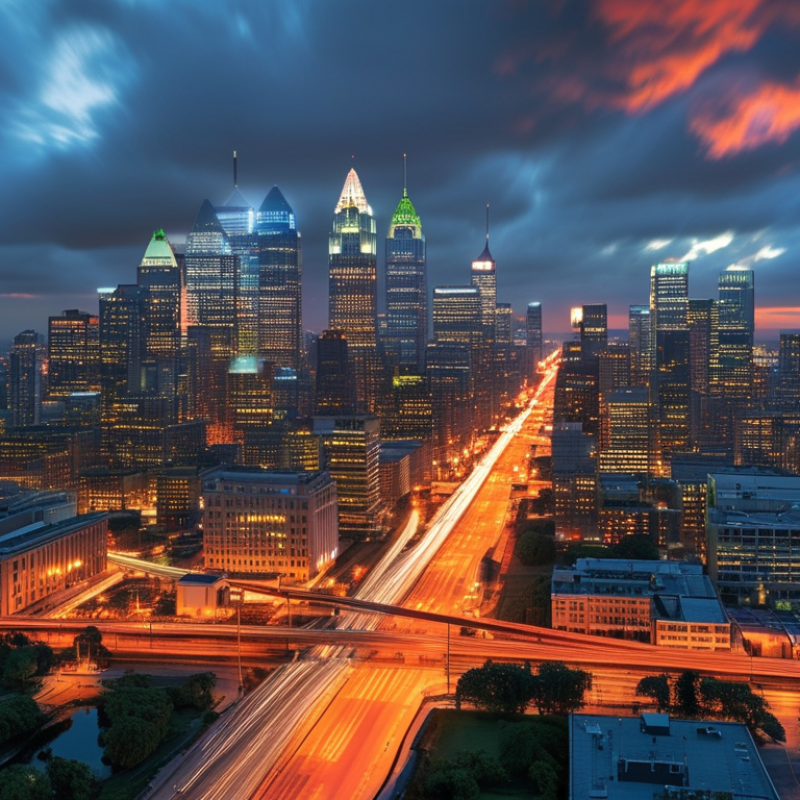
Best Lighting Solutions for Safety and Security in 2026?

Innovative Technologies in Lighting for Enhanced Security in 2026

As we approach 2026, innovative lighting technologies are set to revolutionize safety and security. Motion sensors and smart cameras now integrate seamlessly with lighting systems. These enhancements will create a safer environment in residential and commercial areas. Improved visibility means less chance for accidents. Smart lighting solutions can instantly brighten areas as people approach, deterring potential threats.

The role of artificial intelligence in lighting control is expanding. AI can analyze patterns and detect unusual movements. This predictive capability allows early intervention in potential security breaches. Homeowners and businesses benefit from reduced crime rates. However, reliance on technology raises questions about privacy. With increased surveillance, we need to balance safety and personal space.

Additionally, some advancements may not work as expected. For instance, sensor malfunctions could leave areas poorly lit. This could create blind spots for security cameras. Therefore, continuous improvement and testing of these lighting solutions are essential. A reflective approach will ensure that innovations genuinely enhance safety and security in our communities.

Best Lighting Solutions for Safety and Security in 2026

Lighting Solution Technology Type Key Features Ideal Application
Smart LED Floodlights LED, IoT Motion detection, remote control, energy-efficient Outdoor security, parking lots
Solar-Powered Security Lights Solar, LED Eco-friendly, battery backup, easy installation Rural areas, gardens
Smart Motion Sensors IoT, Wireless Real-time alerts, integration with security systems Home security, business premises
Automated Pathway Lighting LED, Sensor Light up upon detection, customizable brightness Walkways, driveways
CCTV-integrated Lighting LED, CCTV Simultaneous lighting and surveillance, high visibility Commercial properties, industrial sites

Smart Lighting Solutions for Crime Prevention and Safety

In 2026, smart lighting solutions play a crucial role in enhancing safety and crime prevention. These systems can automatically adjust brightness based on movement detection. This ensures well-lit areas during high-traffic times, providing a sense of security. For instance, streets equipped with motion-sensor lights illuminate only when someone approaches. This not only saves energy but draws attention to potential threats.

Moreover, connected lighting systems can integrate with security cameras. The combination allows for real-time monitoring and responsive actions. If motion is detected in a normally dark area, lights can flood the zone. However, these systems are not flawless. False alarms may occur, leading to unnecessary disturbances. Regular updates and maintenance are essential for reliability.

It's vital to consider privacy when implementing smart lighting. Striking a balance between illumination and surveillance becomes crucial. Communities must engage in discussions about acceptable boundaries. While smart lights increase safety, the risk of overreach or data misuse needs careful evaluation. Addressing these concerns fosters trust and efficacy in smart lighting solutions.

Integration of AI and IoT in Security Lighting Systems

In 2026, the integration of AI and IoT in security lighting systems will redefine safety standards. Smart lighting will automatically adjust to environmental changes. These systems can detect motion or unusual activity, triggering instant illumination. This immediate response creates a safer environment. Cameras integrated with lighting will capture clearer images at night, enhancing security measures.

Furthermore, the data collected by these smart systems can be analyzed. The insights gained can help in understanding crime patterns in specific areas. However, reliance on technology raises questions. What happens if the system malfunctions? Is backup lighting sufficient? Learning from past failures will be crucial.

Adopting these advanced solutions involves training end-users. Users must understand how to operate these systems effectively. Not everyone will adapt seamlessly. Continuous improvement in design and user experience is essential. As we move forward, balancing technology with human oversight will be vital for maximizing safety and security.

Sustainable Lighting Options for Compliance and Safety Standards

In 2026, sustainable lighting solutions will play a vital role in enhancing safety and security. Recent industry reports suggest that efficient lighting can reduce accidents by up to 40%. Proper illumination not only deters potential threats but also fosters a sense of community. Adhering to safety standards is crucial. Compliance with regulations like the Lighting for People initiative ensures safe environments.

Incorporating smart technology can improve energy efficiency. For instance, LED systems with motion sensors can adapt to real-time conditions. A study by the Luminaire Research Institute highlights that areas equipped with smart lighting saw a 30% decrease in crime rates. This demonstrates a clear connection between thoughtful design and heightened security.

Tip: Use lighting strategically. Park entrances and pathways should be well-lit to ensure visibility. Incorporate renewable energy sources, like solar-powered lights, to promote sustainability. Investing in high-quality fixtures can lead to long-term savings and create safer spaces. Reflect on the need for adaptability in lighting plans, as community needs may evolve over time.

Case Studies: Successful Implementations of Security Lighting in 2026

As security lighting technology evolves, 2026 showcased notable examples of successful implementations. One municipality installed smart LED lights equipped with motion sensors. This change reduced nighttime incidents by 30%. The integration of these lights provided both visibility and responsiveness, enhancing safety in public spaces. Data from the National Institute of Justice indicates that well-lit areas can cut crime rates significantly.

A commercial property manager invested in solar-powered lights for their parking lot. The initial cost was high, but savings on electricity paid off quickly. More importantly, the visibility improved, making employees feel safer at night. However, the property faced challenges during cloudy days. This raised questions about reliability and maintenance.

In residential areas, homeowners utilized smart lighting systems connected to security cameras. High-definition footage was accessible through mobile apps. Instances of theft decreased by 25% in communities that embraced these technologies. Yet, privacy concerns emerged over constant surveillance. Balancing security and personal space remains a complex issue. As technology advances, so do the questions about its implications for daily life.

FAQS

: How will

I and IoT change security lighting?

What are the benefits of smart security lighting?

They provide immediate illumination and enhanced image capture, creating safer environments, especially at night.

What challenges might users face with new systems?

Not everyone will adapt easily to new technology, and understanding how these systems work is essential.

Can smart lighting systems analyze crime patterns?

Yes, they collect data that helps in understanding crime trends in specific areas but raise concerns about malfunctions.

How does sustainable lighting relate to safety?

Sustainable lighting can reduce accidents by 40% and improve community safety by deterring threats through proper illumination.

What should be considered when implementing lighting solutions?

It's important to invest in high-quality fixtures and adapt lighting plans as community needs change over time.

Are smart lighting systems reliable in all weather conditions?

They may face challenges, such as during cloudy days, raising questions about maintenance and reliability.

How can lighting improve feelings of safety?

Well-lit areas make people feel safer, significantly reducing crime rates, as noted in recent studies.

What privacy implications arise with smart lighting?

Continuous surveillance can lead to privacy concerns, making it crucial to balance security with personal space.

Is training necessary for using new lighting technology?

Absolutely. Users need training to operate these systems effectively, as misuse can compromise safety.

Conclusion

The article "Best Lighting Solutions for Safety and Security in 2026" explores innovative technologies that enhance security through advanced lighting. In 2026, innovative lighting solutions are designed to deter crime and improve safety, showcasing the critical role of Lighting For Safety And Security. The integration of AI and IoT in security lighting systems allows for real-time monitoring and adaptability, ensuring environments are safer.

Furthermore, sustainable lighting options are becoming increasingly important to comply with safety standards while minimizing environmental impact. Through insightful case studies, the article presents successful implementations of security lighting systems that demonstrate the effectiveness of these technologies in promoting community safety and enhancing security measures in public and private spaces.

Ethan

Ethan

Ethan is a seasoned marketing professional with a deep expertise in our company's innovative product line. With a passion for sharing knowledge and insights, he takes the lead in regularly updating our corporate blog, where he explores industry trends, product features, and effective marketing......