 Boffo Lights
How to Choose the 7 Best Energy Efficient Lights?
Choosing efficient lighting is not simply a matter of buying the bulb with the lowest wattage. The right choice depends on brightness, color, room use, fixture compatibility, and expected operating hours. A soft-white lamp may suit a bedside table, while a cooler, brighter option can help illuminate a workbench. Small details matter.
Architect Louis Kahn observed, “The sun never knew how great it was until it hit the side of a building.” His words capture how light changes a space, though good design also asks how much energy that effect requires. This guide to How To Choose Energy Efficient Lighting compares seven practical options, from familiar LED bulbs to task and smart lighting. It explains lumens, color temperature, dimming, and useful label details in plain English. Look for a light that fits the fixture and produces enough brightness without glare. Check the package, too: wattage alone does not tell you how bright a lamp will feel.
There is no perfect bulb for every room. A highly efficient lamp can still disappoint if its color feels harsh or its beam misses the desk. The recommendations weigh efficiency alongside comfort, durability, and everyday usability. Some trade-offs remain. A little testing may be needed.
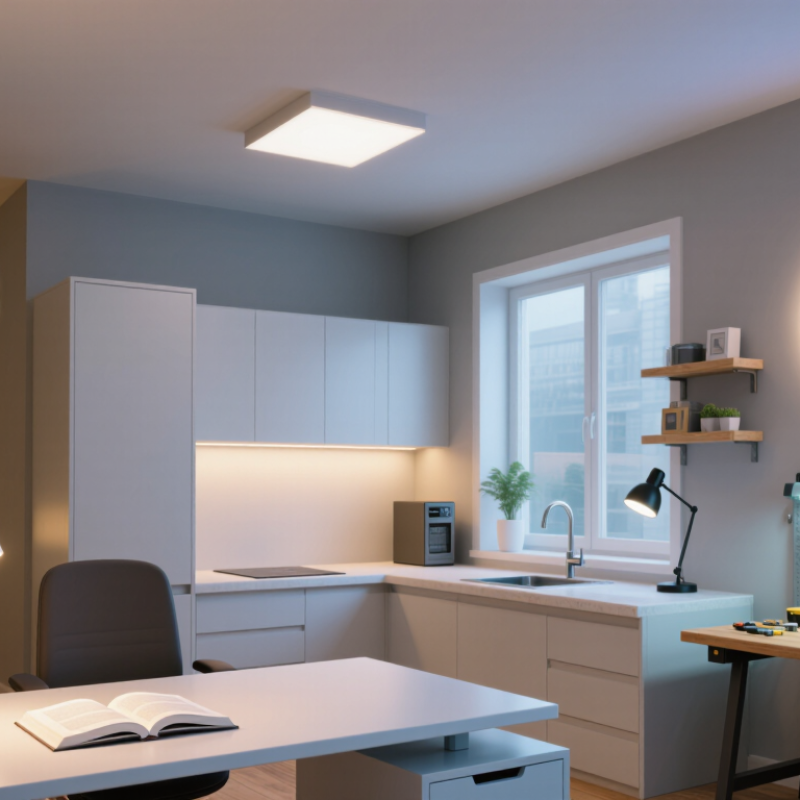
Understanding Energy-Efficient Lighting and Its Key Features
Energy-efficient lighting uses less electricity to produce the brightness you need. Compare bulbs by lumens, not watts: watts measure power use, while lumens describe visible light. A 9-watt LED may provide about the same brightness as an older 60-watt incandescent bulb, though actual output varies. Check the package for lumens and lumens per watt. Higher efficiency can lower energy use, but the best choice also depends on the room.
Color temperature affects how a space feels. Warm white, around 2700K, often suits bedrooms and living rooms; cooler light can help task areas feel clearer. Look for a color-rendering index (CRI) of 80 or higher when accurate colors matter, such as near a bathroom mirror or sewing table. Small details matter. A dimmable bulb must be compatible with the dimmer, or it may flicker or buzz. Not always obvious.
Rated lifetime and operating conditions deserve a closer look. Heat trapped in an enclosed ceiling fixture can shorten a bulb’s life, so check whether the packaging permits that use. A long lifetime rating is an estimate, not a guarantee; frequent switching and fixture design may affect performance. It is easy to focus only on the price or efficiency number. A practical comparison includes brightness, color, compatibility, and expected use in the actual room.
FAQS
Compare lumens, not watts. Watts measure electricity use; lumens show visible brightness. Small details matter.
Warm white around 2700K often feels comfortable in living rooms and bedrooms. Cooler light can suit work areas.
A CRI of 80 or higher can help show colors accurately near a mirror or sewing table.
No. Check compatibility, or the light may flicker or buzz. I still find this easy to overlook.
Check the package before using one in an enclosed ceiling fixture. Trapped heat can shorten its life.
Solar LED fixtures can light paths without household electricity, but clouds and poor placement reduce output. Motion-sensor lights may suit pantries or entryways; test the sensor range first.
A 9-watt bulb used five hours daily consumes about 16.4 kilowatt-hours yearly. Multiply that figure by your electricity rate.
No. Many LEDs are rated for 15,000 to 25,000 hours, but heat, ventilation, switching, and fixture design affect performance. Ratings are estimates.
Check lumens, color, fixture compatibility, and expected use. I sometimes misjudge brightness from packaging, so testing one bulb can help.
Conclusion
Choosing energy-efficient lighting starts with understanding how different technologies convert electricity into useful light. This guide compares seven common types, including their brightness, color temperature, light quality, energy use, and expected lifespan. It explains how to look beyond a bulb’s initial price and consider its total cost over time, since a longer-lasting option that uses less electricity may offer better value.
How To Choose Energy Efficient Lighting also depends on where and how each light will be used. The guide helps readers match suitable brightness and color to different rooms, while checking fixtures, dimmers, and other compatibility requirements before making a choice. By weighing performance, comfort, durability, and cost together, readers can select lighting that meets their needs while reducing unnecessary energy use.
