How to Choose Energy Efficient Lighting for Your Home

Time:2026-03-20 Author:Sienna
0%

Choosing energy-efficient lighting for your home can significantly reduce your electricity bills and environmental impact. According to the U.S. Department of Energy, lighting accounts for about 15% of a typical residential energy bill. The right choices can lower this percentage and enhance your living space. Experts emphasize the need for informed decisions. "Energy-efficient lighting not only saves you money but also improves your overall well-being," says Dr. Susan Bell, a leading lighting specialist.

When considering how to choose energy-efficient lighting, it helps to understand different types of bulbs, like LEDs and CFLs. These options have longer lifespans and lower energy consumption than traditional incandescent bulbs. Yet, many homeowners still overlook them. In a study, over 60% of consumers defaulted to incandescent lighting, despite the benefits of more efficient alternatives.

The challenge lies in balancing personal preference with sustainability. Some might find the light quality of energy-efficient options lacking. However, understanding the advances in lighting technology can often rectify these concerns. Evaluating your specific needs and exploring energy-efficient lighting can lead to better choices that benefit both your home and the planet.
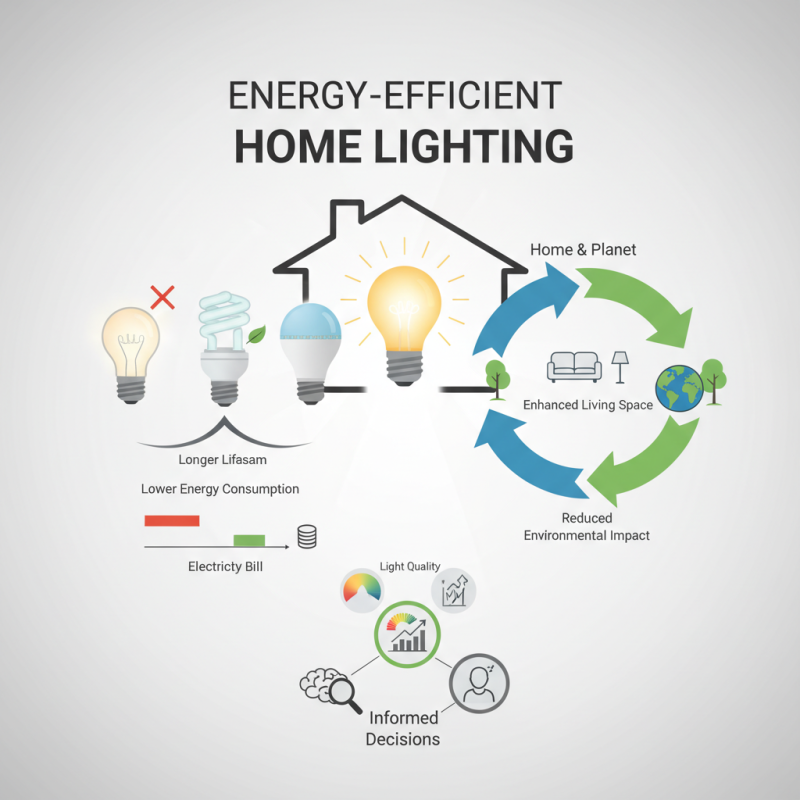
How to Choose Energy Efficient Lighting for Your Home

Understanding Energy Efficiency in Lighting

When it comes to selecting energy-efficient lighting for your home, understanding energy efficiency is key. Different types of bulbs, like LEDs and CFLs, use less energy than traditional incandescent bulbs. In fact, LEDs consume about 75% less energy. This can lead to significant savings on your energy bills over time.

However, choosing the right lighting isn’t just about energy consumption.
Color temperature also plays a crucial role. Warmer light can create a cozy atmosphere, while cooler light enhances productivity in workspaces. It’s important to think about how each room can benefit from different lighting. One common mistake is treating all areas the same. The light required in a living room differs from that in a kitchen. Furthermore, light placement should be considered; improper placement can lead to shadows and uneven lighting.

You’ll discover that some energy-efficient options might not give the desired brightness or color. It’s essential to balance efficiency with quality. Regularly reviewing and adjusting your lighting choices can improve both comfort and efficiency. Embrace the trial-and-error process. Be open to reassessment and don’t hesitate to change fixtures or bulbs that don’t meet your needs.

Types of Energy-Efficient Light Bulbs Available

When it comes to energy-efficient lighting, there are several types of bulbs to consider. LED bulbs are popular for their long lifespan and low energy use. They emit bright light while consuming a fraction of the electricity. You can find them in various shapes and colors, making them suitable for any room. However, some people find the initial cost a bit high. It’s worth pondering if the long-term savings justify this upfront investment.

CFL bulbs are another option. They are compact, spiral-shaped bulbs that are also energy-efficient. They use about 75% less energy than incandescent bulbs. However, they contain a small amount of mercury, which can pose a challenge for disposal. It's critical to handle them with care. The light quality can feel different too, often delivering a cooler hue. This might not suit everyone’s taste.

Halogen bulbs are a variant of incandescent bulbs. They provide bright, crisp light but are less efficient than LEDs and CFLs. They tend to produce more heat, which might not be ideal for certain situations. It’s essential to consider your needs and preferences. Each bulb type has its pros and cons, and the best choice will depend on your specific situation. Reflect on how you use light in your home before making a decision.

Evaluating the Brightness and Color Temperature of Bulbs

When choosing energy-efficient lighting, brightness and color temperature are key factors. Brightness is measured in lumens. Higher lumens indicate brighter light. The average household bulb produces about 800 lumens. However, preferences vary. Some places, like kitchens, need bright light. Other areas, such as bedrooms, benefit from softer options.

Color temperature is measured in Kelvins (K). Lower numbers, like 2700K, produce warm, yellow light. This mimics traditional incandescent bulbs. In contrast, higher numbers, around 5000K, give off a cool, blue light. Studies show that warmer light can enhance relaxation. On the flip side, cooler light can boost alertness. The choice impacts mood and functionality. It's worth reflecting on how light affects daily life.

Yet, finding the right combination can be tricky. Not all bulbs deliver consistent color. Even slight differences in temperature can change your space. Some feel uncomfortable under certain lights. It’s important to test options before committing. Explore what enhances your home’s vibe and meets your needs. The right light can transform any room.

Considering the Lifespan and Cost Savings of Lighting Options

Choosing energy-efficient lighting is vital for both environmental sustainability and cost savings. Traditional incandescent bulbs may cost less upfront but consume more energy. According to the U.S. Department of Energy, lighting accounts for about 15% of a home's energy bill. For this reason, many families are opting for LED lights instead.

LED bulbs last up to 25,000 hours. In contrast, incandescent bulbs only last about 1,000 hours. This longevity translates to fewer replacements. Over time, the cost savings are substantial. An LED bulb may have a higher initial price, but it pays off in the long run. A recent report highlighted that consumers can save around $75 to $300 over the lifespan of a single LED bulb compared to traditional options.

However, transitioning to energy-efficient lighting can have challenges. Not all homes are equipped for the latest technology. Some older fixtures may not be compatible with LED bulbs without modification. This can lead to unexpected costs. Moreover, the initial investment may deter some homeowners. It’s essential to assess not just the immediate expense but also the long-term benefits.

How to Choose Energy Efficient Lighting for Your Home - Considering the Lifespan and Cost Savings of Lighting Options

Lighting Type Lifespan (Hours) Energy Consumption (W) Cost per Year ($) Initial Cost ($)
Incandescent Bulb 1,000 60 18.00 1.00
LED Bulb 25,000 10 3.00 8.00
CFL Bulb 10,000 15 4.50 3.00
Halogen Bulb 2,000 50 15.00 2.50
Smart LED Bulb 25,000 9 2.70 15.00

Choosing the Right Fixtures for Energy Efficiency in Your Home

When selecting lighting fixtures for energy efficiency, several factors should be considered. The type of bulb you choose greatly impacts energy consumption. According to the U.S. Department of Energy, LED bulbs use at least 75% less energy than traditional incandescent bulbs. They also last up to 25 times longer. This means fewer replacements and less waste.

Placement matters, too. Ceiling fixtures can spread light effectively but may waste energy if not directed properly. Task lighting, such as desk lamps, allows for targeted illumination, reducing the need for overhead lights. Dimmer switches can further help control energy use and extend bulb life.

One challenge is matching aesthetics with energy efficiency. Some stylish fixtures may not accommodate LEDs well, leading to poor performance. Finding the right balance requires time. Ultimately, while energy-efficient options are increasingly available, it’s key to reflect on your habits and how lighting shapes your space.

FAQS

: What are the main types of energy-efficient light bulbs?

: The main types are LED, CFL, and halogen bulbs. They vary in energy use and light quality.

How do LED bulbs differ from other types?

LED bulbs use less energy and last longer. They provide bright light but may have higher upfront costs.

What should I know about CFL bulbs?

CFL bulbs are compact and energy-efficient. They contain mercury, requiring careful disposal, and offer a cooler light hue.

What are the brightness options for light bulbs?

Brightness is measured in lumens. Higher lumens mean brighter light. Rooms like kitchens may need more lumens.

How does color temperature affect lighting choices?

Color temperature, measured in Kelvins, impacts mood. Warm light relaxes, while cool light increases alertness and productivity.

What lifespan do different bulbs offer?

LED bulbs last up to 25,000 hours, while incandescent bulbs last about 1,000 hours. Fewer replacements save money in the long run.

Are there challenges when switching to energy-efficient bulbs?

Yes, older fixtures may not work with new bulbs. This can lead to extra costs and may require modifications.

How do lighting choices impact energy bills?

Lighting can account for about 15% of energy bills. Energy-efficient bulbs significantly reduce these costs over time.

What costs should I expect when switching light bulbs?

Initial costs may be higher for energy-efficient options. However, the long-term savings can be substantial, often justifying the investment.

Can the wrong type of light affect comfort?

Yes, not all bulbs deliver consistent color. Some lights may feel uncomfortable, so testing options is recommended.

Conclusion

In the article "How to Choose Energy Efficient Lighting for Your Home," readers will explore key factors that contribute to effective lighting choices. Firstly, it emphasizes the importance of understanding energy efficiency in lighting, which helps homeowners reduce their energy consumption and environmental impact. The article reviews different types of energy-efficient light bulbs available, allowing for an informed selection that suits various needs.

Moreover, it discusses how to evaluate the brightness and color temperature of bulbs to achieve the desired ambiance and functionality. Lifespan and cost savings are also critical considerations, as they directly affect long-term expenses. Lastly, the article guides readers in choosing the right fixtures that enhance energy efficiency in their homes, ensuring that lighting not only looks good but also performs well on an energy-saving front. Through these insights, this resource becomes a comprehensive guide for anyone wondering how to choose energy efficient lighting.

Sienna

Sienna

Sienna is a skilled marketing professional with a deep expertise in our company’s core products and services. With a passion for innovation and detail, she plays a pivotal role in crafting insightful blog posts that not only highlight the unique features of our offerings but also provide valuable......