Businesses today face increasing pressure to cut costs and improve sustainability. One significant area for potential savings lies in lighting. Implementing effective energy-saving strategies can lead to substantial reductions in monthly expenses. This article presents valuable Energy Saving Lighting Tips For Businesses to help organizations achieve their financial and environmental goals.
Using energy-efficient lighting alternatives, such as LED bulbs, is a crucial step. LEDs consume less power and have a longer lifespan compared to traditional options. Simple changes like installing motion sensors can also enhance energy savings. These measures not only reduce costs but also contribute to a greener planet.
Many businesses overlook the importance of regular maintenance. Clean fixtures and proper placement can maximize light efficiency and minimize wasted energy. While some solutions may require upfront investment, they often pay off in the long run. Reflecting on these changes can lead to better energy practices and smarter financial decision-making. Ultimately, embracing energy-saving lighting strategies is a pathway to success for any business aiming to thrive in today’s economy.
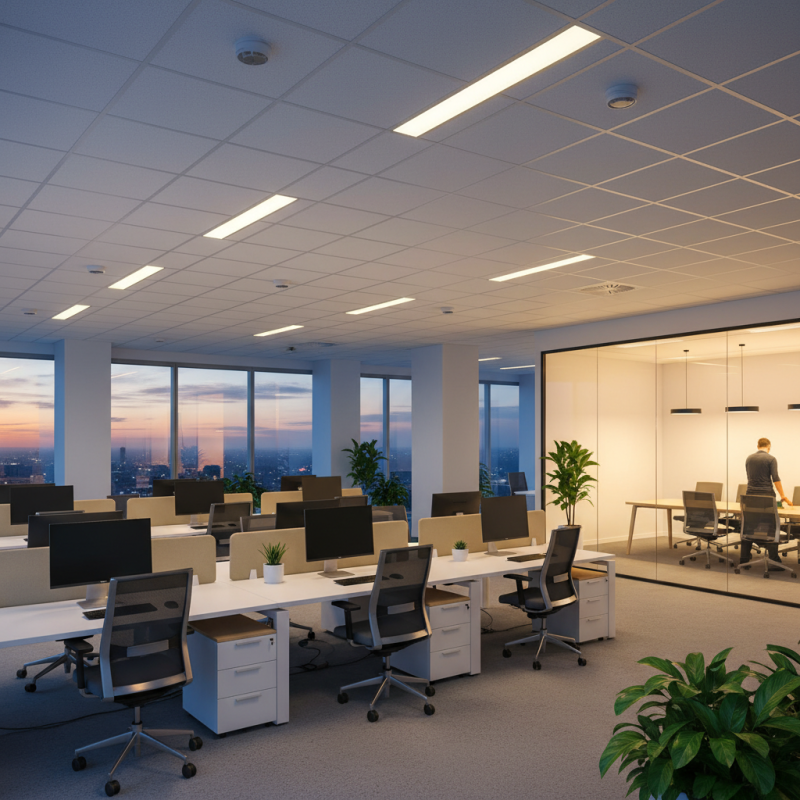
Energy efficiency is crucial for modern businesses. Proper lighting plays a significant role in reducing operational costs. By investing in energy-efficient lighting options, companies can enjoy lower utility bills while maintaining a productive work environment.
Many businesses underestimate the impact of lighting quality. Bright, well-lit spaces can improve employee mood and productivity. However, improper lighting can lead to discomfort and reduced focus. Adjusting lighting to natural sources, where possible, can enhance this effect.
Choosing the right type of bulbs is essential. LED bulbs offer long-term savings and durability. They consume significantly less energy than traditional options. However, the initial investment can cause hesitation. Businesses may find it difficult to change their habits and practices. Transitioning to energy-efficient lighting requires planning and commitment, but the benefits are tangible.
Choosing the right energy-saving lighting options can make a significant difference for commercial spaces.
LED lights are among the most efficient solutions. They consume less energy and have a longer lifespan.
This means less frequent replacements and lower maintenance costs. For instance, switching to LED can reduce energy usage by up to 75%.
Another option is fluorescent lighting. While not as efficient as LEDs, they still offer a decent energy-saving performance.
Fluorescent lights can work well in larger areas like warehouses or retail spaces. However, they may require more frequent tube replacements compared to LEDs.
It's important to consider the existing infrastructure of the space.
Smart lighting systems are also gaining popularity in commercial settings.
These systems can adjust brightness based on natural light or occupancy. While the initial investment might seem high, they can lead to
substantial savings over time. Business owners should reflect on their unique lighting needs and the initial costs of upgrading.
Each option has its pros and cons. Understanding them can guide better decisions for energy savings.
Business owners seeking to lower their energy costs should focus on transforming their lighting solutions. One effective strategy is to switch to LED lighting. This type of lighting consumes less energy and lasts significantly longer than traditional bulbs. For example, an LED bulb can last up to 25,000 hours, reducing both replacement costs and waste.
Implementing smart lighting controls is another key strategy. Utilizing motion sensors and timers can optimize energy use. Lights can automatically turn off in unoccupied areas, further saving energy. It may seem daunting to invest in smart technology, but the long-term savings often outweigh initial costs. Regular audits of lighting efficiency can highlight areas for improvement.
While these strategies seem straightforward, challenges may arise. Employees might resist changes. Increasing awareness and training can help ease the transition. Additionally, misjudging the brightness needed for various spaces can result in either under- or over-lighting. Mistakes in planning can lead to unexpected expenses. Address these issues proactively to ensure a smooth shift to energy-efficient lighting.
This bar chart illustrates the estimated annual cost savings for different energy-saving lighting solutions that businesses can implement. Utilizing options like LED lighting and smart controls can significantly reduce operational expenses.
Upgrading lighting systems can significantly impact a business's bottom line. Studies show that energy-efficient lighting can reduce energy consumption by up to 75%. This reduction translates into substantial cost savings over time. For example, replacing traditional bulbs with LED lighting can save a business around $1,200 annually per 1,000 square feet, depending on usage. Businesses should evaluate their current lighting setups to explore these potential savings.
To calculate the actual savings, consider initial costs versus long-term benefits. While the upfront investment may be higher, energy-efficient lighting often pays off within one to three years. The U.S. Department of Energy reports that the average lifespan of LED bulbs is about 25,000 hours, far exceeding that of incandescent bulbs, which last just 1,000 hours. This longevity reduces replacement costs and labor expenses associated with maintenance.
Moreover, it’s vital to assess additional benefits. Improved lighting enhances employee productivity and satisfaction, leading to indirect savings. However, businesses should remain cautious. Not all lighting upgrades yield the same results. It's essential to analyze specific needs and choose appropriate technologies. Balancing immediate costs with long-term performance can be tricky yet rewarding for businesses aiming to reduce expenses.
Lighting plays a crucial role in optimizing business operations. Proper maintenance can lead to significant cost savings. Regularly check for burned-out bulbs and replace them promptly. This simple action can enhance energy efficiency and improve overall ambiance.
Consider using LED fixtures instead of traditional ones. LED lights last longer and consume less power. This switch reduces energy bills and minimizes maintenance costs. An energy audit can pinpoint areas for improvements. Assess the existing lighting layout to ensure adequate illumination without excess.
Adjusting brightness levels can also contribute to savings. Dimmers allow flexibility; night shifts may require less light. Implementing a lighting schedule can further enhance efficiency. In spaces with natural light, use it to your advantage during the day. Regularly review and optimize your lighting strategy to maximize both comfort and savings.
| Tip | Description | Estimated Savings (%) | Implementation Difficulty |
|---|---|---|---|
| Upgrade to LED | Replacing incandescent and fluorescent lights with LED bulbs. | 50-75% | Easy |
| Use Smart Lighting Controls | Implementing sensors and timers to control lighting usage based on occupancy. | 30-50% | Medium |
| Regular Maintenance | Cleaning fixtures and replacing burned-out bulbs regularly to maintain efficiency. | 10-15% | Easy |
| Optimize Natural Light Utilization | Design layout to maximize daylight and minimize electrical lighting needs. | 20-35% | Medium |
| Conduct Lighting Audits | Regularly assess lighting effectiveness and efficiency to identify improvement areas. | 15-25% | Hard |
: Businesses can save around $1,200 annually per 1,000 square feet with energy-efficient lighting.
LED bulbs last about 25,000 hours, whereas incandescent bulbs last only 1,000 hours.
Regular maintenance, like replacing burned-out bulbs, enhances energy efficiency and overall ambiance.
Better lighting can improve employee satisfaction and productivity, leading to indirect cost savings.
It's important to analyze specific needs and choose the right technologies for the upgrade.
Implementing a lighting schedule optimizes energy use, especially in areas with natural light.
Yes, LED fixtures typically require less frequent replacements, reducing long-term maintenance expenses.
Dimmers provide flexibility, allowing adjustments based on lighting needs, which can save energy.
These investments generally pay off within one to three years due to reduced energy costs.
In today's business landscape, implementing energy efficiency in lighting is crucial for reducing operational costs and enhancing sustainability. The article titled "Energy Saving Lighting Tips for Businesses" delves into various types of energy-saving lighting options available for commercial spaces, such as LED and smart lighting systems. It further outlines effective strategies for businesses to adopt these solutions, emphasizing the importance of proper planning and execution.
Moreover, the article provides insights on how to calculate potential cost savings from upgrading existing lighting systems, highlighting both immediate and long-term financial benefits. By maintaining and optimizing lighting fixtures, businesses can ensure that they achieve continuous savings and remain efficient in their energy consumption. Overall, adopting these energy-saving lighting tips can lead to significant reductions in utility expenses while contributing to a greener environment.
Boffo Lights