Effective commercial lighting is crucial for any business. It enhances aesthetics and safety while influencing consumer behavior. When considering commercial lighting planning, various factors come into play. Each element must be meticulously addressed to create an optimal environment.
In the realm of "Commercial Lighting Planning Tips," understanding your space is essential. Each area may require different lighting solutions. For example, retail spaces benefit from bright, inviting lights. In contrast, offices might necessitate softer illumination for comfort.
Proper lighting can elevate customer experiences and boost productivity. However, mistakes can happen. Poorly placed fixtures may create shadows, leading to discomfort. Reflecting on such challenges can guide better decisions. Prioritizing quality fixtures and energy efficiency also matters. This approach fosters reliability and sustainability for your business, enhancing its reputation.
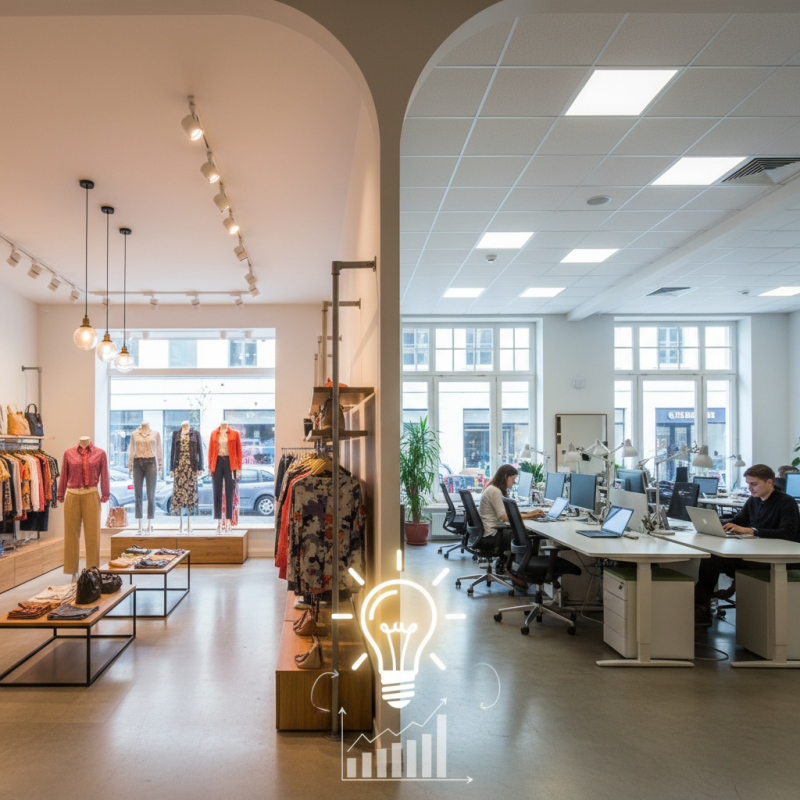
Effective commercial lighting is vital for business environments. Studies show that well-planned lighting can enhance productivity by up to 20%. In retail spaces, proper lighting influences customer behavior, with 73% of shoppers stating that lighting affects their purchasing decisions.
Poor lighting can lead to negative outcomes. Insufficient or harsh lighting causes eye strain and discomfort, resulting in decreased employee efficiency. A well-lit workspace not only improves worker morale but also reduces errors. In offices, natural light has been linked to a 15% boost in mood and alertness.
Recognizing the significance of lighting can drive businesses forward. Companies investing in quality lighting see outstanding returns. Reports indicate that aesthetic improvements through lighting can increase foot traffic by 40%. It's essential to evaluate and rethink lighting strategies regularly. Striking the right balance between functionality and aesthetics can be challenging, yet it is crucial for success.
When planning commercial lighting systems, several key factors come into play. First, consider the purpose of the space. Different environments require different lighting intensities and colors. For example, a retail store needs bright, inviting light to attract customers, while an office may benefit from softer tones that reduce glare.
Next, think about energy efficiency. Sustainable lighting options can significantly reduce long-term costs. Use LED lights where possible. They consume less energy and last longer than traditional bulbs. This choice is not only eco-friendly but also a cost-effective solution for many businesses.
Another critical factor is user experience. Lighting affects mood and productivity. For instance, bright lighting can enhance focus in an office setting. Conversely, warm lighting creates a relaxed atmosphere in dining areas. It’s essential to balance functionality with aesthetics. Solicit feedback from employees or customers on lighting preferences. This can guide adjustments that improve overall satisfaction.
Incorporating intelligent lighting controls can also enhance flexibility. Smart systems allow for adjustments based on occupancy, saving energy when spaces are not in use. Evaluate how different elements interact. Sometimes, trial and error can offer insights. Don't shy away from modifying your initial designs. Remember, effective lighting is about creating ambiance as much as functionality.
When planning commercial lighting, understanding different types can enhance functionality and ambiance. Key commercial lighting types include ambient, task, and accent lighting. Ambient lighting establishes the overall atmosphere. Task lighting provides focused light for specific activities. Accent lighting highlights areas or features. Each type has a unique role in the overall design.
Research indicates that effective commercial lighting can boost productivity by up to 20%. For office spaces, consider using LED task lighting for workstations. LED lights offer energy efficiency and longer lifespans, reducing overall costs. However, they can be harsh in some environments, so balance is key.
Tips: Always assess the purpose of each space before selecting lighting. Consider layering different types. It creates depth and enhances visual interest. Additionally, regularly evaluate the brightness and color temperature. This frequent reassessment ensures that the lighting meets evolving needs, avoiding potential discomfort or inefficiency. Proper planning is often overlooked but is crucial for creating an effective lighting strategy.
Effective lighting design can significantly impact energy efficiency in commercial spaces. According to the U.S. Department of Energy, commercial buildings account for nearly 19% of total energy consumption. Optimizing lighting layouts can dramatically reduce this figure. Incorporating LED technology is a proven approach. Studies indicate that LEDs use at least 75% less energy than traditional bulbs. They also last up to 25 times longer, leading to decreased maintenance costs.
Utilizing daylighting techniques enhances energy performance. Strategically placing windows and skylights aids in reducing reliance on artificial lighting. A report from the International Energy Agency notes that buildings designed for natural light can save up to 40% on energy costs. However, it’s essential to balance daylight with artificial sources. Overly bright spaces can lead to visual discomfort, necessitating smart controls to optimize light levels.
While energy-efficient lighting improves the bottom line, not all solutions fit every space. Each commercial environment has unique lighting needs. Some designs may require reevaluation to ensure energy targets are met without compromising functionality. Continuous monitoring and adapting to usage patterns can foster an ongoing energy-efficient approach. Over time, this can lead to more sustainable and cost-effective operations.
Upgrading commercial lighting is crucial for enhancing productivity and reducing energy costs. A well-planned lighting strategy can lead to energy savings of up to 30%, according to the Department of Energy. Investing in LED technology is a popular upgrade choice. LEDs not only use less energy but also last significantly longer than traditional bulbs. This makes them cost-effective over time.
Maintenance of lighting systems is equally important. Regular inspections ensure optimal performance and safety. A study revealed that poorly maintained lighting can increase operational costs by as much as 20%. Simple tasks like cleaning fixtures and replacing burnt-out bulbs can dramatically improve lighting quality.
However, there are challenges in maintaining consistent lighting levels. Many facilities face issues with outdated fixtures that don’t provide uniform illumination. This inconsistency can cause employee discomfort and reduce productivity. It's essential to regularly assess lighting needs and make adjustments as necessary. Regular feedback from employees can guide these changes effectively. Investing in quality lighting solutions pays dividends in both employee satisfaction and operational efficiency.
| Tip | Description | Best Practice | Benefits |
|---|---|---|---|
| Assess the Space | Evaluate the specific lighting needs based on the layout and usage of the space. | Conduct a comprehensive lighting audit. | Ensured tailored lighting solutions enhance functionality. |
| Choose the Right Fixtures | Select light fixtures that suit both the aesthetic and performance requirements. | Consider LED options for efficiency. | Improved energy savings and reduced maintenance costs. |
| Incorporate Control Systems | Implement lighting controls for flexibility and energy savings. | Utilize dimmers and smart technology. | Enhanced user experience and energy management. |
| Regular Maintenance | Establish a routine maintenance schedule to ensure optimal performance. | Inspect and replace fixtures as needed. | Prolonged lifespan of lighting systems and consistent quality lighting. |
| Upgrade Technology | Stay updated with the latest lighting technologies. | Evaluate new products periodically. | Maximized efficiency and improved lighting quality. |
: The purpose of the space is crucial. Different environments need different lighting intensities and colors.
It reduces long-term costs. Energy-efficient options, like LED lights, save energy and last longer.
Lighting impacts mood and productivity. Bright lights can enhance focus, while warm tones can create a relaxed setting.
Yes, soliciting feedback can guide adjustments. It helps improve overall satisfaction with the lighting.
Smart systems allow for adjustments based on occupancy. They save energy when spaces aren't in use.
Poor maintenance can increase operational costs by up to 20%. Regular inspections are crucial for performance.
Cleaning fixtures and replacing burnt-out bulbs can significantly enhance lighting quality.
Inconsistent lighting can cause discomfort and reduce productivity. Regular assessments help maintain uniform illumination.
It can offer insights into what works best. Modifying initial designs based on findings is often necessary.
It pays dividends in employee satisfaction and operational efficiency over time.
Effective commercial lighting planning is crucial for enhancing business environments and improving overall productivity. Understanding the importance of lighting in commercial spaces allows businesses to create a welcoming atmosphere that can positively influence customer behavior and employee performance. When planning a lighting system, it is essential to consider key factors such as the function of the space, the type of tasks being performed, and the desired aesthetic.
There are various types of commercial lighting, each serving specific applications, from ambient to task lighting. Techniques for optimizing energy efficiency in lighting design not only reduce operational costs but also contribute to sustainability efforts. Finally, adhering to best practices for maintaining and upgrading commercial lighting solutions ensures long-term effectiveness and adaptability to changing business needs. Implementing these Commercial Lighting Planning Tips can lead to a well-lit, energy-efficient, and productive environment.

Boffo Lights