10 Essential Tips for Lighting Your Event and Stage Setup?

Time:2026-08-15 Author:Mason
0%

Lighting plays a crucial role in the success of any event or stage setup. Proper lighting enhances the atmosphere and can significantly impact audience engagement. According to a recent report by Eventbrite, 68% of attendees believe that lighting creates a memorable experience. This highlights the importance of getting "Lighting For Event And Stage Setup" right.

Using effective lighting techniques can transform any space into something extraordinary. For instance, incorporating dynamic lighting can evoke emotions that resonate deeply with your audience. However, many event planners overlook the balance between functionality and aesthetics. An industry survey revealed that 45% of professionals feel they lack adequate knowledge about lighting design. This gap in expertise can lead to missed opportunities for creating impactful experiences.

It's essential to approach lighting as both an art and a science. While creative vision is vital, practical application is equally important. Achieving the right mix often requires trial and error. Embracing this imperfect process can lead to innovative solutions that elevate your event. Understanding fundamental principles will help you navigate this complex field and ensure your lighting choices align with your overall event goals.
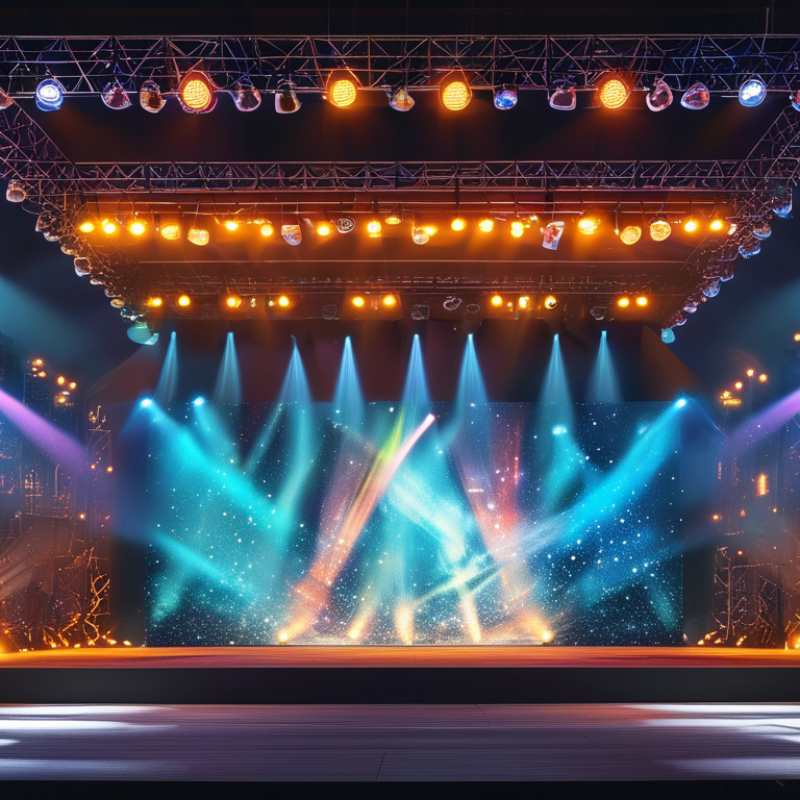
10 Essential Tips for Lighting Your Event and Stage Setup?

Understanding the Importance of Lighting in Event Planning

Lighting plays a critical role in event planning. It sets the mood and enhances the experience for attendees. Effective lighting can transform an ordinary space into something extraordinary. When done right, it highlights key areas and draws attention where it's needed most.

Understanding the nuances of lighting can be overwhelming. Different types of events may require specific lighting techniques. For instance, soft lighting can create an intimate atmosphere for weddings. In contrast, bright, dynamic lighting may energize a concert or corporate event. Balancing these elements is crucial. Too much light can feel harsh, while too little can leave guests in the dark.

Consider the flow of the event when planning your lighting. Poorly designed lighting setups can lead to confusion. For example, dimly lit pathways may cause guests to stumble. Reflecting on past experiences can help refine your choices. Learning from what worked and what didn't is invaluable. Remember, the goal is to create an inviting environment that captivates your audience.

Choosing the Right Type of Lighting for Your Event

Choosing the right type of lighting for your event can drastically affect its atmosphere. Studies show that appropriate lighting enhances guests' mood by 20%. It creates an inviting space and highlights key areas. When selecting lighting, consider the event’s purpose and audience. Different events demand different atmospheres. A corporate event may benefit from cooler, professional tones, while a wedding calls for warm, romantic lighting.

LED fixtures are now popular for various events. They are energy-efficient and versatile. Reports indicate that events using LED lighting can reduce energy consumption by up to 75%. However, it’s important to test them prior to the event. Some LEDs might create undesirable color casts. This could impact video recordings or photographs.

Furthermore, think about layering different types of lighting. Ambient, task, and accent lighting should work together harmoniously. While many planners overlook this, balanced layers create depth and dimension. A well-lit stage can draw attention, but too much light can be overwhelming. Ideally, aim for a balance that suits the venue size and layout. Each choice impacts the overall experience, so careful consideration is vital.

Techniques for Creating Ambiance through Lighting

Lighting plays a crucial role in setting the ambiance for any event or stage. The right choice of light can transform a mundane setting into a captivating experience. Begin by considering the purpose of your event. Is it formal or casual? The type of event will dictate the lighting style you choose. Warmer hues can create intimacy, while cooler tones can convey professionalism.

Focus on key areas that need highlighting. Use spotlights to direct attention to speakers or performers. Ambient lighting can soften harsh shadows and create a warm atmosphere. Experiment with colored gels over lights to enhance moods. However, achieving the perfect balance can be tricky. Overly bright lights can be blinding, while dim lighting can leave guests in the dark.

Don't underestimate the power of shadows. Strategic placement of lights can add depth and texture to the space. Mirrors can also be utilized to reflect light creatively, expanding the space visually. Keep in mind that lighting is not only functional but also an art form. It's a process of trial and error. You may need to adjust your setup multiple times before achieving your desired effect. Embrace these challenges; they are part of the creative journey.

10 Essential Tips for Lighting Your Event and Stage Setup

Tip Number Lighting Technique Description Ambiance Effect
1 Use Soft Diffused Lighting Introduce soft lighting to reduce harsh shadows. Creates a warm and inviting atmosphere.
2 Layered Lighting Combine ambient, task, and accent lighting. Enhances depth and texture in the space.
3 Smart Use of Color Incorporate colored lights for mood settings. Sets a specific mood or theme for the event.
4 Accent Lighting Highlight key features or areas of interest. Draws attention and enhances details.
5 Consider the Venue's Architecture Utilize existing features to your advantage. Integrates the event with the venue's style.
6 Motion Lighting Effects Incorporate moving lights for dynamic visuals. Adds excitement and keeps guests engaged.
7 Adjustable Lighting Levels Use dimmers to control brightness. Tailors mood throughout different event phases.
8 Use of Natural Light Maximize daylight through windows and skylights. Creates an open and refreshing ambiance.
9 Staging Spotlights Focus lighting on speakers or performers. Emphasizes presentation and performance.
10 Lighting Controls and Technology Utilize smart technologies for convenience. Enables real-time adjustments for dynamic events.

Tips for Positioning Lights for Maximum Impact

Lighting plays a crucial role in event and stage setups. Proper positioning of lights can transform the atmosphere. A study from the Event Lighting Association found that lighting quality affects audience perception by up to 70%. Making informed decisions about light placement is vital.

When positioning lights, consider the source. Use a combination of overhead and side lighting. This approach creates depth and reduces harsh shadows on performers. For maximum impact, place lights at eye level. This will engage the audience. Avoid clustering lights too closely; it can create uneven illumination.

Take note of potential issues. Incorrectly positioned lights can lead to unwanted glare. Test different angles before the event. Don’t underestimate the importance of adjusting colors; they can enhance emotions during performances. Remember, the goal is to create an environment that resonates. Each element of lighting affects how the audience experiences the event.

10 Essential Tips for Lighting Your Event and Stage Setup

Integrating Lighting with Other Stage Elements

Integrating lighting with other stage elements is crucial for creating a cohesive event atmosphere. Studies show that well-planned lighting design can increase audience engagement by 30%. It establishes mood and highlights the action onstage. Without proper integration, the experience may fall flat.

Consider the interplay between lighting and sound. A well-timed lighting cue can enhance a musical performance exponentially. A recent report found that audiences are 25% more likely to enjoy performances with synchronized light and sound. Each element should complement the other. This requires collaboration between lighting designers and sound engineers.

Also, be mindful of the physical space. Lighting should not only focus on the performers but also enhance the venue's architecture. A poorly lit venue can make even the best acts seem lackluster. According to industry standards, at least 60% of the stage should be properly lit to create effective visuals. Mistakes in this area can overshadow the talent on stage. Aim for a balance between dramatic effects and practical visibility.

FAQS

: Why is lighting important for events?

: Lighting drastically affects atmosphere. It can enhance mood and create inviting spaces for guests.

How does LED lighting benefit events?

LED fixtures are energy-efficient and versatile. They can reduce energy consumption by up to 75%.

What should I consider when choosing lighting colors?

Warmer hues create intimacy, while cooler tones convey professionalism. Choose based on event type.

How can I layer different types of lighting?

Combine ambient, task, and accent lighting. This creates depth and dimension in the space.

What is the best way to position lights?

Use overhead and side lighting for depth. Place lights at eye level for audience engagement.

What happens if lights are incorrectly positioned?

Incorrect placement can lead to glare or shadows. Test angles before the event to avoid this.

Can lighting affect photos and videos?

Yes, some LEDs create color casts that impact recordings. It's crucial to test lighting beforehand.

How can I use shadows effectively?

Strategic light placement adds texture. It can make the environment more interesting and appealing.

Conclusion

Effective lighting is crucial for enhancing the atmosphere and overall experience of any event or stage setup. Understanding the importance of lighting in event planning can transform a mundane venue into an immersive experience. By choosing the right type of lighting, event organizers can cater to the specific mood and theme of the occasion, whether it's an elegant gala or a lively concert.

Techniques such as color washes, spotlighting, and using dimmers can help create the desired ambiance. It's also essential to position lights thoughtfully to maximize their impact and ensure all areas are adequately illuminated. Finally, integrating lighting with other stage elements—like sound and décor—can create a cohesive and engaging environment. Mastering these aspects of lighting for event and stage setup ensures a memorable experience for all attendees.

Mason

Mason

Mason is a seasoned marketing professional with a deep expertise in the company's offerings and a passion for driving brand awareness. With a strong background in digital marketing strategies, he has an innate ability to connect with diverse audiences and effectively communicate product benefits.......