Lighting color temperature is a key factor in setting the mood of any space. A well-crafted environment can enhance our experiences, while poor lighting can lead to discomfort. "Lighting Color Temperature Guide" expert Dr. Emily Chang states, "The right light inspires creativity and productivity." Her insights emphasize the importance of understanding color temperature when making purchasing decisions.
Different color temperatures can evoke various emotions and responses. Warm tones (around 2700K to 3000K) create a cozy atmosphere, ideal for homes and restaurants. Conversely, cooler tones (4000K and above) promote alertness and focus, perfect for offices and workspaces. Each type of color temperature plays a significant role in influencing our behavior.
Consumers often overlook this crucial aspect when buying bulbs or fixtures. Many choose based on wattage alone, neglecting how the light's color will affect their environment. Investing time in understanding color temperature can transform spaces and elevate experiences. It's more than just illumination; it's about creating a desired atmosphere.
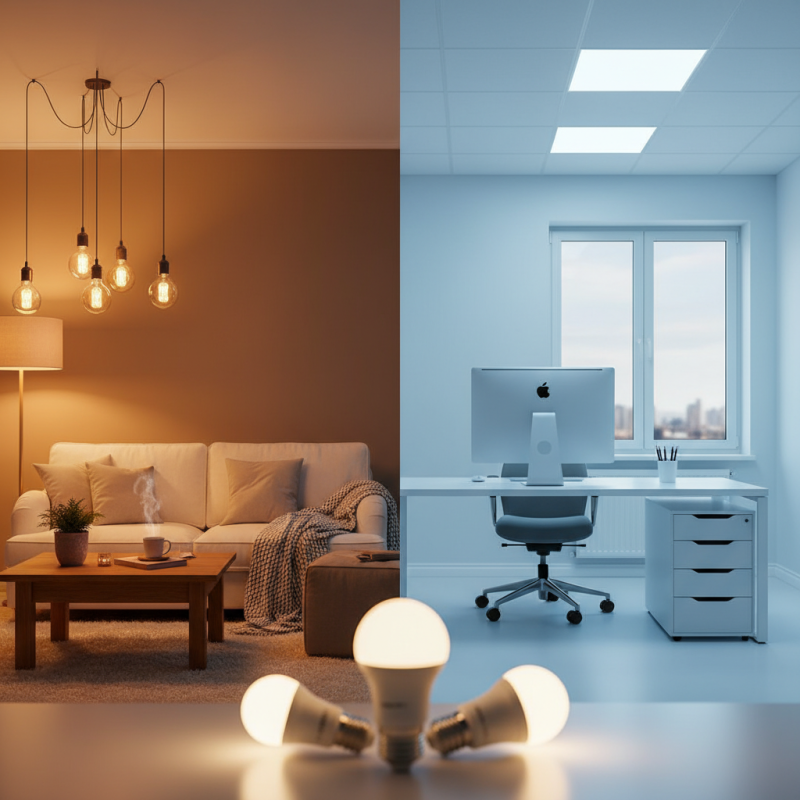
Color temperature is a crucial aspect of lighting that affects both ambiance and functionality. Measured in Kelvin (K), it defines how "warm" or "cool" light appears. For example, a bulb at 2700K emits a warm, soft glow, reminiscent of traditional incandescent lighting. Conversely, a bulb at 5000K provides a cool, daylight-like quality. This distinction is vital for creating desired moods and improving productivity in various settings.
According to the American Society of Interior Designers, the right color temperature can enhance focus and efficiency. A study found that lighting impacts mood and performance significantly. Spaces designed for relaxation benefit from warmer tones, while cooler lighting supports concentrated work. Using the wrong color temperature could lead to discomfort and decreased performance in work environments. The interplay of color temperature and task at hand warrants careful consideration.
Many buyers often underestimate the importance of color temperature. They may choose based on brightness alone, neglecting how different temperatures influence their experience. Although warmer tones may seem more inviting, they can cause eye strain if overused in workspaces. Understanding your needs and the specific tasks at hand can help in making informed lighting choices.
Lighting color temperature plays a crucial role in setting the mood and ambiance of any space. Different color temperatures can evoke various feelings and responses. For instance, warm white light, around 2700K, can create a cozy and inviting atmosphere, suitable for living rooms or restaurants. In contrast, cool white light, about 5000K, fosters a sense of alertness and focus, making it ideal for workspaces or kitchens.
Tips: Consider the purpose of the room when choosing lighting. Think about how the space will be used daily. For relaxation, go for warmer tones. For active spaces, cooler colors are better.
Ambiance can be deeply personal. What feels calming to one person may not suit another. Sometimes, the lighting may feel too harsh or too dim. Finding the right balance can involve experimenting with dimmers or various bulbs.
Tips: Test different light settings at various times of the day. Observe how they affect your mood. Pay attention to how colors shift as natural light changes. Adjust as needed for your optimal environment.
Choosing the right color temperature is crucial in various environments. Color temperature, measured in Kelvin (K), impacts how we perceive a space. For instance, a warm light (2700K-3000K) creates a cozy atmosphere. It is often preferred for living rooms and restaurants, helping to foster a feeling of comfort and relaxation. In contrast, cool light (5000K-6500K) enhances alertness and concentration. This type is ideal for office spaces and study areas.
Tips: Consider your activities. If you are reading or concentrating, opt for cooler temperatures. Warmer lights work well for unwinding after a long day. A study by the Lighting Research Center highlights that color temperature significantly affects mood and productivity.
Restaurants often use dim, warm lighting to encourage longer visits. Bright, cool lights, however, can be uninviting in such settings. In retail, stores can influence purchasing behavior by selecting the right light temperature. Warm light generally enhances luxury items, while cooler light can make products appear more modern. Carefully balancing these factors is essential for creating desirable spaces.
Tips: Always test light in different settings. Observe how it changes the room's mood over the day. Poor lighting choices can lead to discomfort, impacting our experience and decisions.
| Environment | Recommended Color Temperature (Kelvin) | Effect on Mood | Best Uses |
|---|---|---|---|
| Home (Living Room) | 2700K - 3000K | Warm and Inviting | Relaxation, Socializing |
| Office | 3500K - 4100K | Neutral and Focused | Productivity, Concentration |
| Retail Store | 3000K - 4000K | Energetic and Welcoming | Customer Engagement, Displaying Products |
| Kitchen | 3000K - 5000K | Bright and Alert | Cooking, Preparing Food |
| Bathroom | 3000K - 4000K | Calming and Refreshing | Grooming, Self-care |
Lighting color temperature plays a crucial role in how products are perceived. Warmer light creates a cozy and inviting atmosphere, often making colors appear softer. For instance, furniture can look more appealing under a warm glow. This can positively influence buyers' emotions and decision-making processes.
Conversely, cooler light tends to enhance clarity and sharpness. Under such lighting, products may appear more modern and sleek. For example, electronics like phones and laptops showcase their details better in cooler temperatures. However, not all products suit every light type. Some items may lose their charm in overly bright lighting.
Consider your space and product types. A well-lit environment draws attention but can also misrepresent items. It’s crucial to experiment with different lighting settings. The right balance can highlight a product’s strengths while minimizing its weaknesses. Understanding lighting temperature can be challenging but essential for any purchase.
Selecting the right lighting based on color temperature can significantly impact your space. Color temperature, measured in Kelvin (K), influences mood and functionality. Reports from the Lighting Research Center indicate that warmer tones (2700K-3000K) create a cozy atmosphere, while cooler tones (4000K-6500K) can boost focus and productivity.
When choosing lights, consider the room's purpose. For instance, kitchens and home offices benefit from cool white lights to enhance alertness. Conversely, bedrooms and living areas should utilize warmer tones to promote relaxation. A study by the International Energy Agency highlights that appropriate lighting can improve well-being and even energy efficiency by up to 30%.
Don't overlook the need for dimability in your lighting choices. Not all environments require the same brightness throughout the day. Too much light can be harsh, while too little can feel dreary. Explore how different color temperatures appear at various times and in varying contexts. This experimentation can lead to illuminating decisions that enhance your environment effectively.
: Warmer light (around 2700K) creates a cozy atmosphere, while cooler light (about 5000K) promotes alertness.
For relaxation, choose warmer tones. They create a comfortable and inviting space.
Consider the room's purpose. Use cooler lighting for workspaces and warmer lighting for living areas.
Testing helps you observe mood changes throughout the day. It ensures a more customized and pleasant environment.
Warm light enhances luxury products, while cooler light makes items look modern and sleek.
Yes, warmer light softens colors, while cooler light enhances clarity and details.
Ambiance is personal. What soothes one may feel harsh to another, requiring careful adjustment.
Bad lighting can lead to discomfort or misrepresentation of products, affecting decisions negatively.
The right lighting highlights strengths while minimizing weaknesses, enhancing both mood and product appeal.
Yes, use warm lighting to create comfort and encourage longer visits, but be cautious with bright, cool lights.
Understanding the significance of lighting color temperature is essential for making informed purchasing decisions. The **Lighting Color Temperature Guide** outlines the concept of color temperature, which is measured in Kelvin (K) and influences the overall atmosphere of a space. Different lighting temperatures can evoke varying moods and ambience, making it crucial to select the appropriate color temperature for specific environments, whether it's a cozy home setting or a professional workspace.
Moreover, lighting color temperature significantly impacts how products appear to the consumer. Warmer lights can create an inviting feel, whereas cooler lights may enhance focus and clarity. When shopping for lighting solutions, practical tips for selecting the right color temperature can help ensure that the desired effect is achieved, ultimately leading to a more satisfying and aesthetically pleasing environment.

Boffo Lights