The durability of lighting materials holds significant importance for buyers. It directly affects both functionality and aesthetics in homes or businesses. Selecting the right materials means considering various factors such as longevity, resistance to wear, and overall performance. This is where the "Lighting Material And Durability Guide" becomes essential.
Homeowners and industry professionals alike need clarity on this topic. Lighting fixtures face numerous challenges. Heat, moisture, and physical impact can wear them down quickly. A durable material ensures that fixtures last longer and illuminate spaces effectively over time. Without this knowledge, buyers may struggle to make informed decisions, often resulting in dissatisfaction.
Understanding lighting materials extends beyond appearance. People often overlook durability until it's too late. Investing in durable materials can save money and time in the long run. With the right guidance, buyers can achieve both style and reliability. Ultimately, the choice of lighting materials influences more than just ambiance; it impacts daily life and comfort.
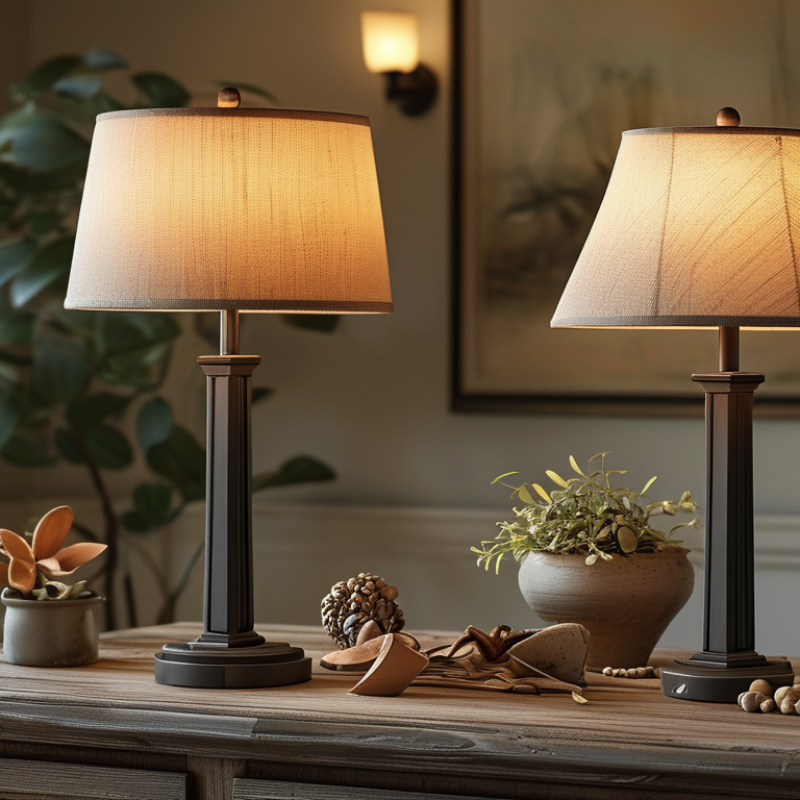
Durability in lighting materials plays a crucial role for consumers. A well-made fixture lasts longer, reducing the need for replacements. This saves both money and time. Imagine constantly changing bulbs or fixtures that break easily. Buyers seek quality that withstands daily use. High durability often means better performance over time.
For homeowners, investing in robust lighting materials ensures safety and efficiency. Fragile fixtures can lead to accidents or installation issues. Consumers benefit from materials that resist moisture, heat, and wear. Strong lighting options enhance the overall atmosphere in a home, creating inviting spaces. Durability becomes not just a feature but a necessity.
Choosing durable lighting can feel overwhelming with many options available. Consumers must weigh the pros and cons of various materials. While some may prefer the aesthetic of a delicate design, it may not last long in practical use. Reflection on personal needs helps guide better purchasing decisions. Prioritizing longevity over superficial appeal pays off in the long run.
Durability of lighting materials significantly impacts buyer satisfaction. Buyers want products that withstand wear. Different factors influence this durability. Material quality plays a crucial role. High-quality materials resist corrosion, cracking, and fading. They last longer than cheaper alternatives. Buyers should consider the environment where lights will be used. Humidity, temperature changes, and exposure to sunlight can affect durability.
Manufacturing processes also matter. Well-crafted products undergo rigorous testing. This testing ensures they meet safety standards and durability expectations. Many buyers overlook warranty terms. A good warranty reflects confidence in durability. It also indicates how much a manufacturer trusts their product. Buyers may take risks with cheaper options, but this could mean more replacements and costs later.
Understanding the balance between cost and longevity is vital. Buyers often face pressure to choose affordable options. However, investing in durable lighting pays off in the long run. Buyers might feel tempted by attractive prices, but longevity matters. Quality materials often lead to fewer issues and greater reliability. Consumers should weigh their choices carefully.
Durable lighting materials significantly enhance cost efficiency for buyers. A recent industry report from the International Energy Agency states that up to 30% of energy costs can be mitigated by investing in high-quality lighting solutions. Durable materials, such as robust LEDs or high-grade plastics, offer longer lifespans compared to traditional options. This reduces replacement frequency and maintenance costs over time.
Choosing durable lighting solutions can also lead to substantial savings in energy consumption. The U.S. Department of Energy highlights that replacing incandescent bulbs with durable options can lower energy bills by approximately 75%. Moreover, these materials often withstand harsh environmental conditions better, ensuring consistent performance and reliability.
Tips: When selecting lighting materials, consider longevity alongside initial costs. Look for products with extended warranties. Assess the total cost of ownership to understand long-term savings. Durability might require a higher upfront investment, but it pays off. Reflect on past experiences with less durable options; these might have led to hidden long-term expenses. The balance between quality and cost is crucial for sustainable purchasing decisions.
Durability plays a crucial role in the safety and performance of lighting materials. According to the U.S. Department of Energy, nearly 30% of energy consumption in buildings comes from lighting. If lighting systems fail prematurely, energy efficiency can drop significantly, failing to meet performance expectations. Buyers must consider how long materials can withstand environmental factors. Heat, moisture, and vibrations can damage lower-quality components over time, leading to potential safety hazards.
The lifespan of lighting solutions impacts not only maintenance costs but overall safety. A study by the Lighting Research Center indicates that LED fixtures with inadequate materials can deteriorate in just a few years, raising the risk of electrical failures. Regular replacements can lead to increased downtime and safety issues, particularly in commercial environments. Buyers should prioritize materials known for durability, such as those rated for high impact and moisture resistance.
Additionally, the relationship between durability and performance reflects in light quality. Poorly made products can flicker or change color over time. A survey published in the Journal of Light & Visual Environment found that 74% of users reported dissatisfaction with lighting that degraded prematurely. This highlights an important aspect buyers often overlook: the long-term effects of material choices. Investing in durable lighting ensures not only a stable illumination experience but also enhances overall safety and reliability.
| Material Type | Durability Rating (Years) | Impact Resistance | Heat Resistance (°C) | Safety Certification |
|---|---|---|---|---|
| Polycarbonate | 10 | High | 120 | UL Listed |
| Glass | 15 | Medium | 150 | CE Certified |
| Aluminum | 20 | High | 200 | RoHS Compliant |
| Steel | 30 | Very High | 300 | ISO 9001 |
When considering lighting materials, durability plays a significant role in buyer choices. High-quality, durable materials often outperform non-durable options in both lifespan and performance. According to a report by the National Lighting Bureau, lighting fixtures made with robust materials can last up to 25,000 hours longer than their cheaper counterparts. This difference can result in lower replacement costs over time.
Durable materials, such as those with enhanced weather resistance, perform better in diverse environments. In contrast, non-durable materials can deteriorate quickly, leading to issues like flickering lights or bulbs that burn out prematurely. A study by the Department of Energy found that using durable fixtures in commercial settings reduced maintenance costs by up to 30%. Buyers should carefully evaluate these factors before making a decision.
Tips: Always consider the environment where lighting will be used. Indoor and outdoor settings often have different durability requirements. Look for materials with a proven track record. Reading reviews or case studies can provide insights into performance. Lastly, weigh the long-term costs against initial expenses. In some cases, investing upfront in quality pays off significantly.
: Durability ensures longer-lasting fixtures. This reduces replacement needs, saving time and money.
Material quality, manufacturing processes, and environmental conditions affect durability.
High-quality materials resist corrosion and damage, leading to longer lifespans than cheaper options.
Low-quality fixtures can fail, causing safety hazards and increased maintenance costs.
Humidity, temperature changes, and sunlight can weaken lighting materials over time.
A good warranty shows manufacturer confidence in durability and reflects quality standards.
Durable materials provide stable illumination, while low-quality products can flicker and degrade.
Investing in durable lighting may cost more upfront but leads to greater long-term savings.
Durable lighting maintains efficiency; poor materials can lead to increased energy consumption.
Longevity and quality should take precedence over superficial design for better performance.
The article "Why Is Lighting Material Durability Important for Buyers?" emphasizes the critical role that material durability plays for consumers purchasing lighting solutions. It explores various factors influencing lighting material durability, such as environmental conditions and manufacturing quality. Durable lighting materials not only enhance cost efficiency by reducing the frequency of replacements but also significantly impact safety and performance, ensuring that lighting solutions function effectively over time.
Furthermore, the article presents a comparative analysis of durable versus non-durable lighting materials, highlighting the long-term benefits of investing in high-quality products. This exploration serves as a practical "Lighting Material And Durability Guide," empowering consumers to make informed decisions that prioritize longevity and reliability in their lighting choices.

Boffo Lights