How To Improve Lighting Efficiency for Your Business Needs?

Time:2026-05-11 Author:Isabella
0%

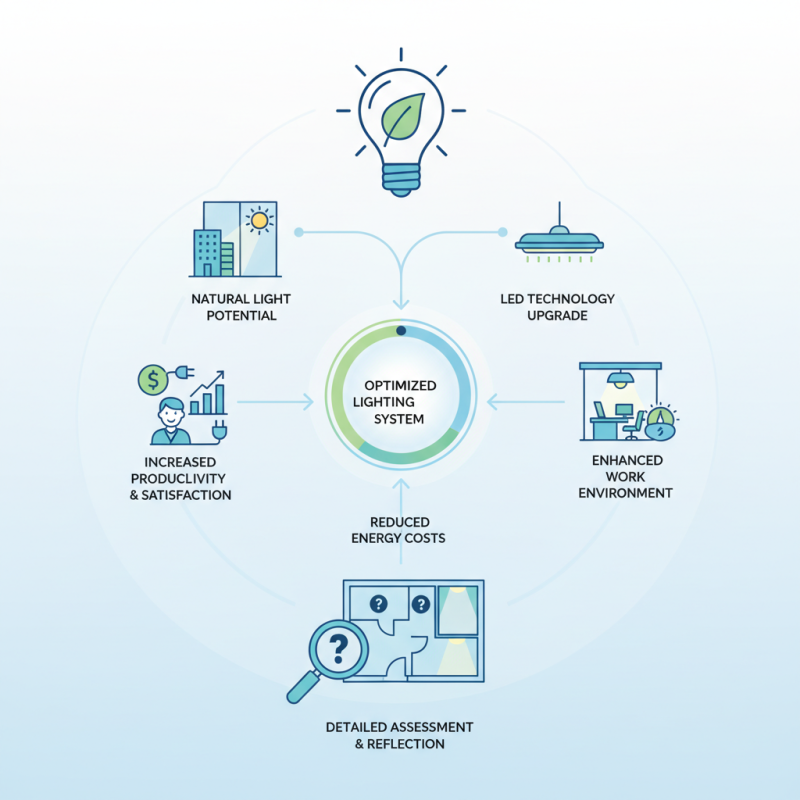
In a world where energy efficiency is paramount, understanding how to improve lighting efficiency is essential for businesses. Effective lighting not only reduces energy costs but also enhances the work environment. Studies show that better lighting can lead to increased productivity and employee satisfaction. However, many businesses struggle to optimize their lighting systems.

Improving lighting efficiency requires a detailed assessment of current practices. For example, businesses often overlook natural light potential. Incorporating more daylight can significantly reduce energy consumption. Moreover, using LED technology is a step many companies have taken, yet some still rely on older fixtures, missing out on potential savings.

Reflecting on existing systems helps identify inefficiencies. Are there areas that remain unnecessarily dark or overly bright? Addressing these issues can improve both functionality and comfort. Ultimately, taking the time to explore how to improve lighting efficiency can yield substantial benefits, transforming not just energy usage, but also the entire workplace atmosphere.
How To Improve Lighting Efficiency for Your Business Needs?

Understanding Lighting Efficiency: Importance for Businesses

Lighting efficiency is essential for businesses. It directly impacts productivity, employee satisfaction, and operational costs. Poor lighting can lead to fatigue and decreased focus. In contrast, effective lighting enhances mood and boosts performance.

Understanding the different types of lighting is critical. LED lights, for example, use less energy and have longer lifespans. However, not all LEDs are created equal. Some emit harsh light that can be uncomfortable. Natural light is beneficial, but its availability varies. Finding a balance between these options requires careful consideration.

Evaluating your current lighting setup can reveal inefficiencies. Are there dark corners? Does the lighting flicker? These issues can distract employees and disrupt workflow. Regular assessments can help identify problems. Small changes can lead to significant improvements in efficiency. Companies must be proactive, yet many overlook the potential impact of proper lighting.

Assessing Current Lighting Systems and Identifying Areas for Improvement

Assessing current lighting systems is crucial for improving efficiency. Start by surveying your workspace. How bright is each area? Identify the types of lights in use. Are they energy-efficient or outdated? Look for inconsistencies in illumination. This can lead to energy waste and impact employee productivity.

Consider the specific tasks performed in each area. Some zones might require brighter light, while others need softer illumination. Check for any dark spots that create uncomfortable working conditions. Gathering feedback from employees can provide insights into their needs.

Next, conduct an energy audit to identify potential improvements. Track energy consumption and assess costs. Are there opportunities for integrating smart lighting systems? Adjustments may seem small, but they can significantly enhance overall performance. Reflect on what works and what doesn't. Continuous improvement is essential for long-term success.

Improving Lighting Efficiency: Current vs. Improved Systems

This bar chart illustrates the energy consumption of current lighting systems compared to improved lighting solutions. The data indicates a significant potential for reducing kWh usage through better lighting efficiency strategies.

Upgrading to Energy-Efficient Lighting Solutions and Technologies

Upgrading to energy-efficient lighting solutions is essential for businesses looking to enhance lighting efficiency. According to the U.S. Department of Energy, LED lighting systems use at least 75% less energy, and last 25 times longer than traditional incandescent bulbs. This significant reduction in energy consumption leads to substantial cost savings over time.

Energy-efficient lighting can transform the ambiance of a business space. It offers higher-quality light that can improve productivity and employee morale. For example, a study by the Pacific Northwest National Laboratory found that enhanced lighting conditions can boost worker performance by up to 20%. However, it’s crucial to evaluate the installation process. Improper setups can lead to uneven lighting or glare, which might negate the benefits.

Adopting smart lighting technologies further optimizes energy use. These systems adjust automatically to natural light levels, significantly reducing unnecessary energy expenditure. Yet, without proper training for staff in using these technologies, businesses might not harness their full potential. Recognizing these shortcomings paves the way for effective solutions, ensuring that lighting upgrades are both efficient and practical.

Implementing Smart Lighting Controls and Automation Systems

Implementing smart lighting controls and automation systems can significantly enhance lighting efficiency for businesses. These advanced systems allow for real-time adjustments based on occupancy and natural light. For example, using motion sensors can ensure lights only activate when spaces are in use. This tailored approach minimizes waste and reduces energy costs.

Automated lighting can adapt to different times of the day. For instance, dimming lights in the early morning or late afternoon can create a pleasant atmosphere while saving energy. However, businesses often overlook regular maintenance of these systems. Malfunctions can lead to higher energy consumption and inconvenience.

Training staff to use these systems effectively is crucial. A lack of understanding can result in manual overrides that waste resources. Monitoring energy usage patterns helps identify inefficiencies within the automation settings. By reflecting on these areas, businesses can continue to refine their lighting strategies, ensuring optimal efficiency and comfort.

Conducting Regular Audits to Optimize Lighting Usage and Costs

Regular audits of lighting systems are essential for optimizing usage and controlling costs for businesses. Studies show that many companies waste energy due to suboptimal lighting setup. According to the U.S. Department of Energy, lighting can account for up to 30% of a business's energy bill. By conducting regular audits, businesses can identify inefficient fixtures and adjust their lighting strategies accordingly.

Tips to consider: Focus on replacing outdated bulbs with energy-efficient options. LED lighting, for example, uses at least 75% less energy than traditional incandescent options. Always measure the illumination levels to ensure they meet industry standards. Poor lighting can affect employee productivity and well-being.

Regular evaluations help pinpoint areas for improvement. Many businesses overlook dim lighting zones or areas needing more light. Implementing smart lighting controls can further enhance efficiency, as they adjust automatically based on occupancy. This may seem like an additional cost, but the savings on energy bills often justify the investment.

FAQS

: Why is assessing current lighting systems important?

: It helps identify inefficiencies, improve energy use, and boost employee productivity.

How can I determine if my lighting is efficient?

Survey your workspace and check the types of lights in use.

What should I look for during a lighting survey?

Observe illumination levels and spot inconsistencies that waste energy.

How do employee needs influence lighting decisions?

Gathering feedback on their experience can identify areas for brighter or softer light.

What is the role of energy audits in lighting?

They track consumption and costs, uncovering areas for potential improvement.

What is a common mistake businesses make regarding lighting?

They often overlook dim spots or areas that lack sufficient illumination.

How can smart lighting systems help?

They adjust automatically based on occupancy, enhancing efficiency.

What type of lighting is recommended for energy savings?

Replacing outdated bulbs with energy-efficient options, like LEDs, is advised.

How often should I conduct lighting audits?

Regular evaluations are crucial to identify and address inefficiencies over time.

What should I reflect on after making lighting changes?

Consider what is effective and what might still need improvement.

Conclusion

In the quest for sustainability and cost reduction, learning "How To Improve Lighting Efficiency" is crucial for businesses. It begins with a thorough understanding of lighting efficiency and its significant impact on operational costs. Businesses should assess their current lighting systems meticulously, identifying areas where enhancements can lead to substantial energy savings.

Upgrading to energy-efficient lighting solutions, such as LED technology, can dramatically reduce energy consumption. Furthermore, implementing smart lighting controls and automation systems allows businesses to optimize usage based on occupancy and natural light levels. Finally, conducting regular audits helps to ensure that lighting systems are operating at their best, enabling continuous improvement in both efficiency and cost-effectiveness. By taking these steps, businesses can significantly enhance their lighting efficiency, leading to a more sustainable operation.

Isabella

Isabella

Isabella is a dedicated marketing professional with a sharp focus on driving brand growth and engagement through strategic content creation. With an extensive background in digital marketing, she combines her passion for storytelling with her keen understanding of industry trends to deliver......