When considering lighting options for your space, the Indoor Vs Outdoor Lighting Guide serves as a valuable resource. Choosing the right lighting is essential for both function and aesthetics. Indoor lighting creates a warm atmosphere, enhancing comfort and style. In contrast, outdoor lighting focuses on safety and visibility, illuminating pathways and gardens.
Understanding the pros and cons of each type is crucial. For instance, indoor lighting can significantly affect mood and productivity. The wrong choice may lead to shadows and eye strain. Outdoor lighting, while vital for security, can sometimes create harsh contrasts. Balancing these factors requires careful thought.
This guide will help you reflect on your needs. Do you prioritize ambiance or functionality? Are you more concerned about energy efficiency or design? By exploring these questions, you will better understand which lighting type suits you best.
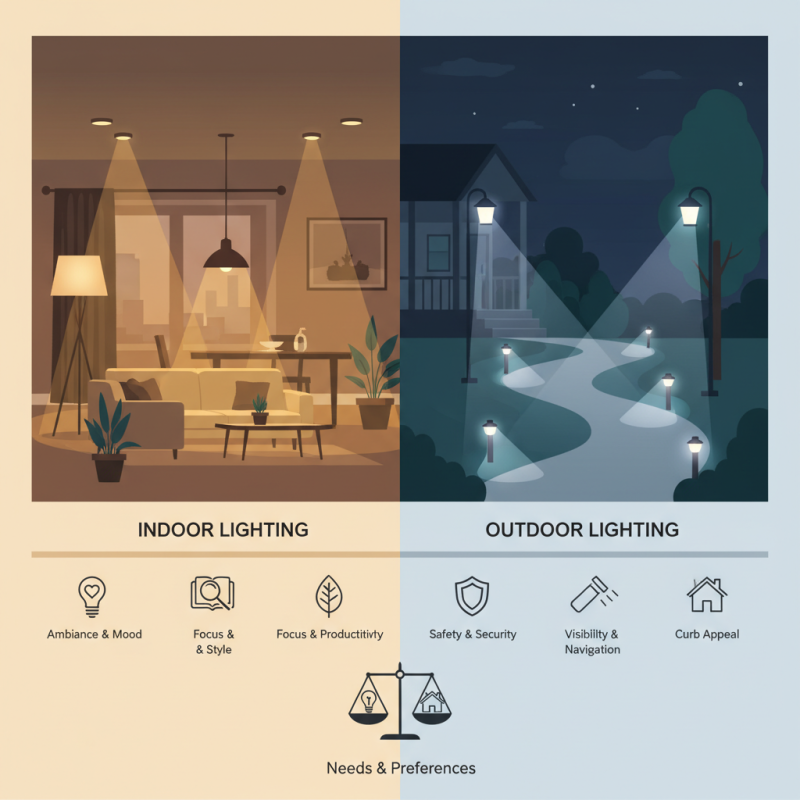
Indoor lighting plays a crucial role in shaping the ambiance of a space. It significantly impacts our mood and daily activities. Well-planned indoor lighting can create a warm and inviting atmosphere. For example, using soft white bulbs can make a room feel cozier. On the other hand, harsh fluorescent lights can create a sterile feel.
However, there are limitations to indoor lighting. Natural light is often limited, especially in larger buildings. This can lead to a dreary environment over time. People may find themselves feeling fatigued or less productive. Without sufficient variety in lighting, spaces can feel monotonous. Therefore, mixing different types of indoor lighting, such as ambient, task, and accent lighting, is essential.
While indoor lighting has its benefits, it is not always adequate. Regular adjustments are often needed to maintain a balanced lighting experience. Homeowners can benefit from exploring options like dimmers or smart lighting. These tools can enhance flexibility and control. Embracing these small changes can make a significant difference in indoor environments.
Outdoor lighting can enhance the aesthetics of your home. It creates a warm, inviting atmosphere and highlights landscaping features. Well-placed lights can illuminate walkways and patios, improving safety during evening gatherings. However, outdoor lighting also has its drawbacks.
One major disadvantage is energy consumption. Many outdoor lights can draw significant power, leading to higher utility bills. Additionally, outdoor fixtures are often exposed to elements. This exposure can shorten their lifespan, causing maintenance issues. Over time, you may find yourself replacing lights more frequently than you anticipated.
Another concern is light pollution. Excessive outdoor lighting can disturb local wildlife and disrupt your neighborhood. It may also diminish the beauty of a starlit sky. Homeowners must find a balance between functionality and environmental considerations. Reflect on your needs and the impact of outdoor lighting on both your home and the surrounding area.
When considering indoor and outdoor lighting, a comprehensive analysis reveals distinct advantages and challenges for each. Indoor lighting emphasizes functionality and ambiance. According to the U.S. Department of Energy, efficient indoor lighting can reduce energy consumption by up to 75%. This means better savings on utility bills. However, achieving the right balance between brightness and warmth can be tricky. Many homeowners struggle with light levels that feel either too harsh or too dim.
On the other hand, outdoor lighting aims to enhance security and aesthetic appeal. A report from the Illuminating Engineering Society notes that well-lit outdoor spaces can reduce crime rates by up to 20%. However, outdoor fixtures are often exposed to harsh weather. This presents durability challenges that indoor lighting typically does not face. Choosing the right materials becomes crucial.
Some may find that outdoor lighting systems require frequent maintenance. This could lead to unexpected costs and effort. Indoor spaces can be easily adjustable, but outdoor environments demand consideration of external factors. Each option has its unique benefits and limitations, making the choice a thoughtful consideration for many homeowners.
Choosing the right lighting can transform your space and enhance your lifestyle. Indoor lighting offers versatility, while outdoor lighting creates ambiance. Your choice depends on how you live and what you need.
For indoor spaces, think about the activities you enjoy. Bright, direct lighting is great for reading and working. Soft, warm lights help create a cozy atmosphere for relaxation. Remember, layering different light sources can add depth and interest to a room.
**Tips:** Use dimmers to control brightness. Experiment with different bulbs to see what feels right.
Outdoor lighting serves different purposes. It enhances safety and highlights your home's features. Consider solar lights for eco-friendliness. Motion-sensor lights can add security too.
**Tips:** Remember to check local regulations on outdoor lighting. A too-bright light may disturb your neighbors. Balance is key for nighttime aesthetics.
Ultimately, your choices reflect your lifestyle. Don’t rush the process. Test various styles and setups until your space truly feels like home. Enjoy the journey of finding your ideal lighting!
When optimizing indoor and outdoor lighting, understanding the context is essential. Indoor spaces require different considerations than outdoor areas. For instance, living rooms often benefit from warm, ambient lighting that creates a cozy atmosphere. You might choose soft lamps or dimmable LED lights. In contrast, kitchens need bright, focused lighting. Task lighting above countertops ensures safety and efficiency during food preparation.
Outdoor lighting brings its own challenges. Think about safety first. Pathways should be well-lit to prevent trips and falls. Motion-activated lights can enhance security, deterring potential intruders. Layering outdoor lights adds depth and interest. Use a combination of spotlights for trees and softer lights for patios to create a welcoming ambiance.
However, balancing functionality and aesthetics can be tricky. Overlighting can create harsh shadows, while underlighting may lead to unsafe situations. Testing different placements and brightness levels can help identify the perfect balance. It's not always easy, but experimenting can lead to improved results in both indoor and outdoor environments.
: Lighting can enhance your daily activities. Bright lights are good for tasks like reading and working.
Soft, warm lights create a cozy atmosphere for relaxation. Consider using warm bulbs or soft lamps.
Layer different light sources to add depth. Use dimmers to control brightness and create various moods.
Consider safety first. Pathways need sufficient lighting to prevent trips. Use motion-sensor lights for added security.
It's challenging, as overlighting can cause harsh shadows. Underlighting may create unsafe situations, so test different setups.
Solar lights are eco-friendly and cost-effective. They harness the sun's energy and can enhance outdoor ambiance.
Local regulations help ensure that your lighting doesn’t disturb neighbors. Compliance prevents potential legal issues.
Don’t rush the process. Experiment with styles until your space feels like home. Enjoy the journey of finding your lighting.
The "Indoor Vs Outdoor Lighting Guide" explores the key benefits and limitations of both indoor and outdoor lighting. Indoor lighting is praised for its ability to create a cozy atmosphere, while outdoor lighting enhances security and aesthetics. However, each option has its disadvantages, such as limited natural light indoors and potential exposure to weather elements outdoors.
A comparative analysis reveals that the choice between indoor and outdoor lighting depends significantly on individual lifestyle and preferences. The guide helps readers understand how to choose the right type of lighting for their needs, along with practical tips for optimizing both indoor and outdoor spaces. Ultimately, balancing both lighting types can greatly enhance comfort and functionality in various living environments.

Boffo Lights