Indoor Vs Outdoor Lighting Guide: Which Is Best in 2026?
Choosing lighting is not just a question of brightness. A warm pool of light over a kitchen table feels different from a motion-sensor beam across a wet driveway. Indoor fixtures shape comfort, visibility, and daily routines; outdoor fixtures must also handle weather, glare, and the surrounding night. Small details matter. A bulb’s color temperature, beam direction, and controls can change how a room feels or whether a path is easy to see.
The U.S. Department of Energy’s Energy Saver guidance says LEDs use at least 75% less energy and last up to 25 times longer than incandescent bulbs. That makes efficient LEDs a practical starting point, but efficiency alone does not settle the indoor-versus-outdoor choice. Indoor spaces often benefit from layered, adjustable light. Exterior areas may need carefully aimed, weather-rated fixtures that illuminate steps without sending harsh glare into a neighbor’s window. Lighting researcher Dr. Mariana Figueiro has described light as “the most powerful synchronizer of the circadian system,” a useful reminder that timing and exposure matter, not just wattage.
This Indoor Vs Outdoor Lighting Guide compares fixture types, color quality, controls, durability, and installation considerations for 2026. It also draws on energy guidance from the Department of Energy and practical lighting principles used by the Illuminating Engineering Society. The right answer depends on the space. A bright fixture can still be poorly chosen. And product labels do not tell the whole story: real performance depends on placement, surrounding surfaces, and how people actually use the area.
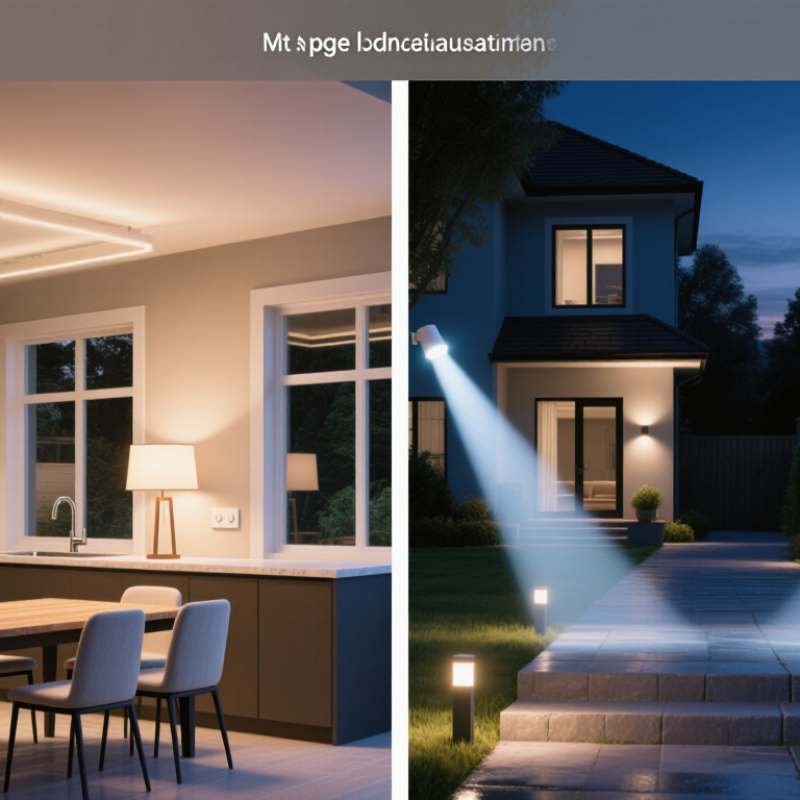
What Indoor and Outdoor Lighting Mean in 2026
In 2026, indoor lighting means more than choosing a bright bulb. It shapes visibility, comfort, and the feel of a room.
A kitchen counter needs clear, even light; a bedside lamp usually benefits from softer output. Efficient LEDs are common, but brightness alone is a poor guide. Check color temperature, color rendering, and whether the dimmer matches the lamp’s driver.
Not quite straightforward. A light that dims smoothly in one fixture may flicker in another.
Outdoor lighting serves paths, entrances, gardens, and work areas while facing rain, dust, temperature changes, and glare.
The fixture’s damp- or wet-location rating should match its actual exposure. Check the label. A covered porch and an open driveway do not have the same conditions. Shielded fixtures can direct light onto steps instead of into windows or the night sky. Warm, restrained light and timers can also reduce unnecessary illumination.
It matters. I would still assess the space after dark: a bright spot can leave nearby steps harder to see, even when the lamp seems powerful.
How Indoor and Outdoor Lighting Differ in Design and Performance
Indoor and outdoor lighting differ because each serves a different environment, not just a different look. Indoors, light works with walls, ceilings, furniture, and daily tasks. A desk lamp needs a focused beam that limits screen glare, while a kitchen ceiling fixture should spread light across counters without harsh shadows. Warm or neutral color temperatures can make rooms feel comfortable, but the best choice depends on finishes and daylight. Small details matter.
Outside, fixtures face rain, dust, temperature changes, and wider viewing distances. Their housings and seals need suitable weather protection, and placement should illuminate paths, entrances, or steps without shining into nearby windows. Brightness alone does not guarantee safer visibility; even, well-directed light can make edges easier to see. Outdoor LEDs may use different optics and controls, such as motion sensing or dusk-to-dawn operation. Check the fixture’s protection rating and instructions rather than assuming a sealed-looking design is weatherproof. A plan can over-light a small patio; it may look crisp on paper, then feel glaring at night. Real spaces can surprise you. Mounting height, surface color, and nearby trees all change how light falls, so test the placement where possible.
Which Light Sources Suit Each Environment
Indoor and outdoor lighting solve different visual problems. Indoors, choose sources for the task: diffuse LED panels soften shadows across a kitchen, while a focused desk lamp helps with close reading. For color-sensitive work, check the color rendering index rather than relying on “bright” packaging alone. A warmer tone can feel calmer in a bedroom; cooler light may suit detailed daytime tasks. Small rooms differ. Dimming and layered light often matter more than simply increasing wattage.
Outside, use shielded fixtures that direct light onto paths, steps, or doorways instead of into windows and the night sky. Warm-white LEDs around 2700–3000K are a practical starting point for patios and entrances, though visibility needs and surroundings can change the choice. Motion sensors can reduce unnecessary hours of operation. U.S. Department of Energy guidance says LEDs use at least 75% less energy and last up to 25 times longer than incandescent lighting, making them useful where replacement is awkward. Still, efficiency is not the whole answer: an overly bright fixture can create glare on wet paving. I would check the beam pattern at night before settling on a final position.
How Climate, Safety, and Energy Use Affect Lighting Choices
Indoor and outdoor lighting face different conditions. Indoors, match light to the task: a focused, brighter beam helps over a kitchen counter, while softer light can reduce glare in a living room. Outdoors, climate matters as much as appearance. Check that fixtures are rated for their exposure to rain, dust, and temperature swings. In cold weather, some solar lights may produce less energy, so test their performance during the season you need them most. Small details matter.
Tips: Use motion sensors near entrances and steady, low-glare light along steps. Choose efficient LEDs, but compare brightness and energy use rather than wattage alone. Keep outdoor fixtures aimed down to reduce glare into windows and eyes.
Safety does not mean making every area extremely bright. Harsh light can hide shadows and make a path uncomfortable to use. Even coverage often works better: look for dark gaps between a doorway, walkway, and parking area. Indoors, dimmers and occupancy controls can reduce wasted energy, provided the bulbs support them. I have found that a layout can look clear on paper yet feel glaring at night; check it after dark and adjust the aim or brightness.
How to Choose the Best Lighting for Your Space and Needs
Choosing lighting starts with the task, not the fixture. A kitchen counter needs clear, even light; a bedroom usually benefits from softer, adjustable light. For work areas, aim light at the surface and reduce glare from screens. Layering ceiling, task, and accent lights gives you more control than relying on one bright bulb. Small detail, big difference.
Outdoors, consider the route, weather exposure, and nearby windows. A shielded, downward-facing fixture can illuminate steps without shining into a neighbor’s bedroom. Use outdoor-rated equipment and controls suited to the location. Motion sensors can help where light is only needed briefly. The indoor-outdoor distinction is not always neat: a covered porch may need weather-resistant fixtures but a warmer, welcoming feel.
Efficiency matters in either setting. The U.S. Department of Energy reports that LED lighting uses at least 75% less energy and can last up to 25 times longer than incandescent lighting. Check lumen output, color temperature, dimmer compatibility, and the fixture’s rating before buying; “bright” alone tells you little about comfort. A mistake worth avoiding: choosing the coolest, brightest option everywhere. It can feel harsh, and you may not need that much light. Use the space after dark, then adjust.
Indoor vs. Outdoor Lighting Guide 2026: Which Is Best?
Compare typical target illuminance levels for common indoor and outdoor spaces. Blue bars represent indoor lighting; amber bars represent outdoor lighting.
Values are indicative targets in lux, not universal requirements. Choose lighting based on the activity, daylight, surface finishes, glare, and applicable local safety standards.
FAQS
Indoor lighting supports tasks and comfort around walls, furniture, and screens. Outdoor lighting must handle weather and longer viewing distances. Small details matter.
Use even light on counters and focused light for reading or close work. Aim beams at surfaces, and reduce screen glare. One bright ceiling light may leave shadows.
Warm light can feel comfortable in bedrooms and patios. Neutral or cooler light may suit detailed daytime tasks. The room’s finishes and daylight also affect the result.
Check its weather-protection rating and installation instructions. A sealed-looking housing does not prove it can handle rain. Covered porches may still need weather-resistant fixtures.
Choose shielded fixtures that direct light downward onto steps, paths, or entrances. Keep beams away from nearby windows. Wet paving can reflect even moderate light.
They can switch lights on when someone approaches and reduce unnecessary operating time. They suit entrances or paths used briefly. Placement still matters.
LEDs use at least 75% less energy and can last up to 25 times longer than incandescent lights. Efficiency helps, but it does not prevent glare.
Check lumen output, dimmer compatibility, and the fixture’s rating. “Bright” on a package says little about comfort. Test the placement at night, then adjust it.
Conclusion
This Indoor Vs Outdoor Lighting Guide explains how lighting needs change between interior and exterior spaces in 2026. Indoor lighting is designed to support everyday activities, comfort, and atmosphere, while outdoor lighting must also withstand weather and provide visibility around entrances, paths, and shared areas. The guide compares how placement, brightness, color, durability, and controls affect performance in each setting, and considers which light sources are best suited to different tasks and environments.
Climate, safety, and energy use all influence a good lighting plan. Moisture, temperature changes, and exposure to the elements can affect outdoor fixtures, while glare and uneven illumination can reduce comfort and visibility indoors or outside. By weighing these factors alongside maintenance needs, energy efficiency, and personal preferences, readers can choose lighting that fits the space, supports its intended use, and creates a practical, welcoming result.
 Boffo Lights
