Top Industrial Lighting Design Concepts for 2026 Buyers?

Time:2026-05-25 Author:Sienna
0%

As we approach 2026, the landscape of industrial lighting design is evolving. Industry expert Emily Carter emphasizes, "The future of industrial lighting is about function and aesthetic harmony." Her insights highlight the critical intersection of innovation and practicality in Industrial Lighting Design Concepts.

Designing for industries means understanding unique needs. Safety, efficiency, and sustainability are paramount. Companies are seeking solutions that not only illuminate but also enhance productivity. This thoughtful approach can sometimes fall short. Many designs overlook user experience or environmental impact. A balanced focus on aesthetics and functionality is essential yet often neglected.

The shift toward smart technologies amplifies this challenge. Proper integration can lead to improved energy savings and adaptability. However, many manufacturers still struggle to embrace these advancements fully. Reflecting on previous designs aids in learning what works and what doesn’t. The future demands a fresh perspective on Industrial Lighting Design Concepts, ensuring spaces are not only lit but are transformative.
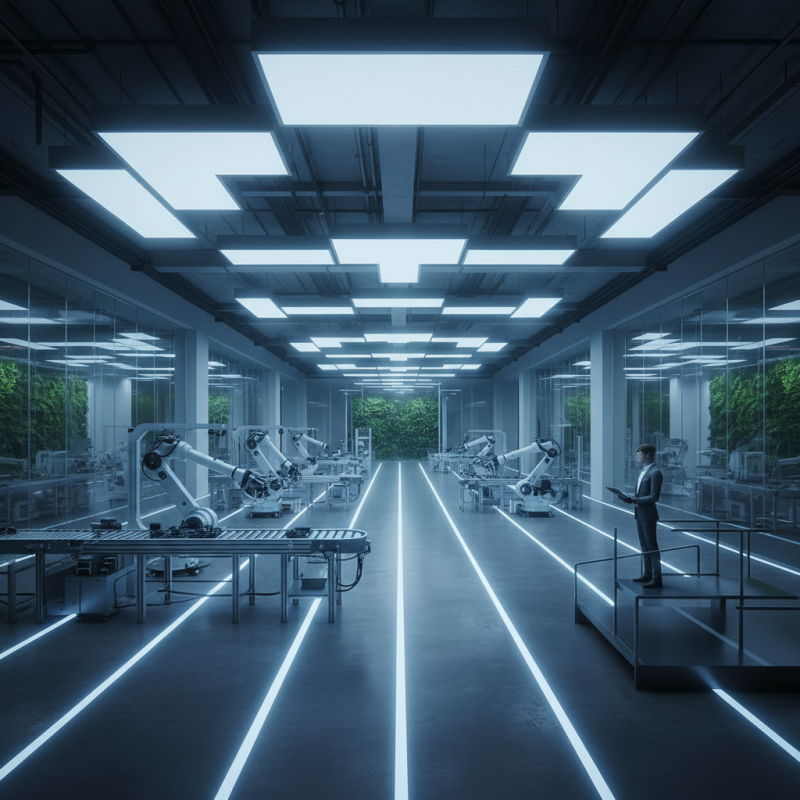
Top Industrial Lighting Design Concepts for 2026 Buyers?

Emerging Trends in Industrial Lighting Design for 2026 Buyers

As we look ahead to 2026, the landscape of industrial lighting design is rapidly evolving. One noticeable trend is the integration of smart technologies. These systems allow for real-time energy monitoring and control, enhancing efficiency across various applications. Yet, as technology advances, it's essential to consider how this impacts human comfort. Brightness levels should be adjustable, catering to diverse tasks while reducing strain on employees.

Another emerging concept focuses on sustainability. Designers are exploring eco-friendly materials and energy-efficient solutions. Biodegradable lights and solar-powered systems are gaining traction. However, implementing these ideas is not without challenges. Cost implications and sourcing materials can complicate the design process, prompting a need for innovative thinking and resource management.

Aesthetic considerations are becoming central to industrial spaces. Minimalistic designs that blend with the environment are emerging as favorites. The goal is to create an appealing atmosphere while maintaining functionality. Finding the balance between visual appeal and effective lighting remains a critical topic for designers. Each concept poses unique obstacles, encouraging ongoing discussions about practical applications in real-world settings.

Key Features to Consider in Industrial Lighting Solutions

When considering industrial lighting solutions for 2026, several key features stand out. Efficiency is paramount. Energy-saving LED technologies are likely to dominate. They not only consume less energy but also have longer lifespans. This means reduced maintenance costs over time. Brightness control and adaptive lighting can enhance productivity and safety in work environments.

Flexibility is another crucial aspect. Modular lighting systems can adapt to different spaces and needs. This caters to the dynamic nature of industrial operations. Buyers should look for solutions that allow for easy reconfiguration. Durability is equally important. Lighting fixtures must withstand harsh conditions, including dust and extreme temperatures.

Finally, technology integration is essential. Smart lighting systems that connect with IoT devices offer real-time monitoring. They provide valuable data on energy usage and maintenance needs. This approach ensures that facilities remain efficient and responsive. As buyers explore options, reflecting on these features will lead to more effective industrial lighting solutions.

Sustainability and Energy Efficiency in Industrial Lighting Designs

As industries advance toward 2026, sustainability and energy efficiency have become key priorities in lighting design. Organizations are increasingly aware of their carbon footprint and are seeking solutions that reduce energy consumption. According to a report by the International Energy Agency, energy-efficient lighting can save up to 75% of energy usage compared to traditional lighting systems.

Innovative lighting designs focus on using LED technology and smart controls. LED lights have a longer lifespan and consume less energy. They are also more durable and environmentally friendly. Smart controls enable workers to adjust light levels based on specific tasks. This adaptability not only increases productivity but also reduces wasted energy.

Tip: Conduct an energy audit of your facility. This identifies areas for improvement in lighting efficiency.

Sustainability in industrial lighting isn't just about energy savings. It encompasses the materials used in fixtures and the end-of-life impact on the environment. Research highlights that recycled materials are becoming more commonplace in lighting fixtures. While these innovations are promising, not all recycled materials deliver the same performance. It's essential to balance eco-friendliness with functionality.

Tip: Stay updated on regulations about eco-friendly materials. Compliance is crucial for long-term sustainability.

Understanding these elements can guide industries in making more informed lighting decisions, aligning with broader sustainability goals.

Top Industrial Lighting Design Concepts for 2026 Buyers

Design Concept Key Features Energy Efficiency Rating Sustainability Practices Projected Market Trend
Smart Lighting Solutions Adaptive brightness control, IoT integration A++ Use of recycled materials Rapid growth, expected 30% increase by 2026
LED Industrial Lighting Long lifespan, low heat emission A+ End-of-life recycling programs Steady increase, projected to dominate market
Solar-Powered Systems Off-grid options, renewable energy use A Eco-friendly sourcing Increasing interest, expected 25% growth
Biophilic Design Elements Natural light integration, plant-based aesthetics A Sustainable plant partnerships Rising trend, projected to attract young professionals

Technological Innovations Shaping Industrial Lighting for the Future

In the rapidly evolving world of industrial lighting, technological innovations are redefining the landscape. Smart lighting systems, utilizing IoT, offer real-time data and enhanced energy efficiency. Factories are now equipped with sensors that adjust brightness based on occupancy. This not only cuts costs but also reduces environmental impact.

LED technology continues to lead the way. It provides longer life spans and lower energy consumption. However, the challenge lies in managing heat dissipation effectively to ensure longevity. Designers must consider the interplay of light quality and color temperature for worker productivity.

Additionally, automation is integral. Automated lighting controls enhance workplace safety and efficiency but require thorough training for staff. There are concerns regarding over-reliance on technology. Human oversight is essential to prevent potential failures. As we innovate, striking a balance between technology and human intelligence remains critical.

Aesthetic Elements: Balancing Functionality and Design in Industrial Lighting

Aesthetic elements in industrial lighting are evolving rapidly. As buyers look for smarter designs, balancing functionality and visual appeal becomes essential. According to the International Association of Lighting Designers, nearly 70% of industry professionals believe that aesthetics significantly impact purchasing decisions.

When considering industrial lighting, the focus should not only be on illumination but also on how it complements the environment. For example, warm light can enhance the mood in a workspace, promoting productivity. Studies show that workplaces that prioritize design report a 15% increase in employee satisfaction. However, achieving this balance can be challenging. Designers often struggle with integrating advanced technologies while ensuring that the lighting fixtures remain visually attractive.

Innovative materials and smart technologies are leading the way. The Global Lighting Report notes that the use of sustainable materials has risen by 30% in the last two years. This shift reflects a demand for eco-friendly options that do not compromise on style. Designers must continually reflect on their choices. How will these decisions affect the overall space? The importance of aesthetic elements is invaluable, yet the journey to find this balance is ongoing.

FAQS

: What are the key priorities for industrial lighting design by 2026?

: Sustainability and energy efficiency are becoming essential for lighting design in industries.

How much energy can efficient lighting save compared to traditional systems?

Energy-efficient lighting can save up to 75% in energy usage.

Why is LED technology important for industrial lighting?

LED lights consume less energy, last longer, and are more durable.

What are smart controls in lighting systems?

Smart controls allow workers to adjust light levels based on specific tasks.

Why should industries conduct an energy audit?

An energy audit helps identify areas for improving lighting efficiency.

What is important when using recycled materials in lighting fixtures?

Not all recycled materials perform equally; balance eco-friendliness with functionality.

How do aesthetic elements impact lighting choices?

Aesthetic appeal influences purchasing decisions, as almost 70% of professionals consider it crucial.

What benefit does warm light provide in a workspace?

Warm light enhances mood and can increase employee satisfaction by 15%.

What trend is seen in the use of sustainable materials?

The use of sustainable materials in lighting has risen by 30% recently.

What challenges do designers face in lighting aesthetics?

Designers find it hard to balance advanced technology with visual appeal.

Conclusion

The article "Top Industrial Lighting Design Concepts for 2026 Buyers" explores emerging trends and key features that are shaping the future of industrial lighting. As customers prioritize sustainability and energy efficiency, innovative designs are being developed to meet these demands while enhancing the functionality of industrial spaces. The emphasis on technological advancements ensures that industrial lighting solutions are more effective and user-friendly, integrating smart features that promote operational efficiency.

Incorporating aesthetic elements into industrial lighting is also crucial, as designers strive to strike a balance between functionality and visual appeal. By embracing these Industrial Lighting Design Concepts, buyers can create environments that not only perform well but also contribute to a contemporary and appealing industrial aesthetic. Overall, the future of industrial lighting is defined by a commitment to innovation, sustainability, and design excellence.

Sienna

Sienna

Sienna is a skilled marketing professional with a deep expertise in our company’s core products and services. With a passion for innovation and detail, she plays a pivotal role in crafting insightful blog posts that not only highlight the unique features of our offerings but also provide valuable......