Top Lighting Design Tips for Small Spaces

Time:2026-11-12 Author:Sienna
0%

Small rooms do not need more brightness; they need better-planned light. A single ceiling fixture can leave a narrow hallway gloomy at the edges and harsh in the center. Thoughtful lighting creates depth, supports everyday tasks, and helps a compact room feel calmer. Architect Louis Kahn captured the value of daylight: “The sun never knew how wonderful it was until it fell on the wall of a building.” His words offer a useful reminder: notice where daylight lands before choosing fixtures.

This guide to Lighting Design Tips For Small Spaces explores practical ways to work with that light. It considers layered sources, mirror placement, fixture scale, and warm or cool color temperatures. A shaded floor lamp beside a sofa can soften a dark corner. Under-cabinet lights can make a small kitchen counter easier to use. A dimmer gives one room different moods without adding another fixture. Small changes matter.

But no formula fits every room. A mirror may brighten one wall and create distracting glare from another angle. Pale finishes can help, yet they cannot fix poor placement. Measure the room, observe how sunlight shifts, and test bulbs in the evening before committing. This is the less glamorous part. It saves guesswork. With careful choices, even a tight space can feel comfortable, functional, and visually open—without relying on one oversized, overly bright fixture.
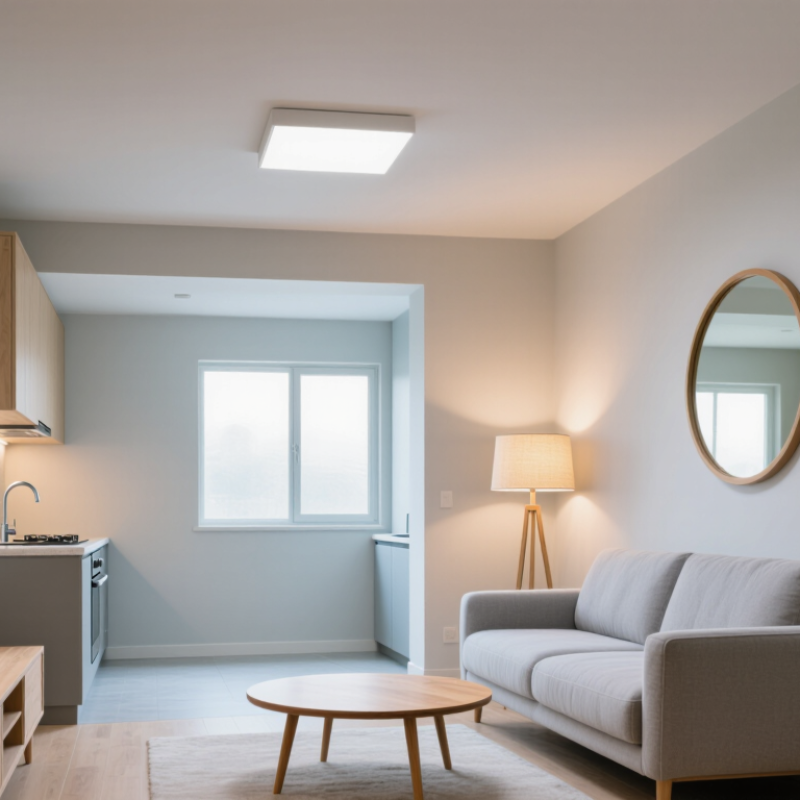
Top Lighting Design Tips for Small Spaces

Understanding Lighting Needs in Small Spaces

Understanding lighting needs in a small space starts with what happens there. A desk needs focused light; a narrow hallway needs even coverage without harsh shadows. One bright ceiling fixture may leave a reading chair dim and make the room feel flat. Small rooms are not simple. Notice where shadows fall, where you work, and what you want to see clearly. I still find it easy to overlook the darker corner.

Tips: Layer ambient, task, and accent lighting. Aim a desk lamp at the work surface, not your eyes. Use a wall light or a shaded lamp to soften a blank wall. Choose dimmable fixtures when one room serves several purposes. Check the light after sunset; daylight can disguise weak spots.

Efficiency matters when several lights are used in a compact room. The U.S. Department of Energy’s Energy Saver guidance says LEDs use at least 75% less energy and last up to 25 times longer than incandescent bulbs. That does not mean every LED feels comfortable. Compare the bulb’s color appearance and brightness, then test it in the actual fixture. A small shade can hide useful light. It can also create a cozy pool, which may be exactly right beside a bed.

Assessing Natural Light and Room Layout

Assess natural light before adding fixtures. Visit the room in the morning and late afternoon. Notice where sunlight lands, and whether nearby buildings or deep window recesses block it. A small room can feel bright near a window but dim beside a tall cabinet. Map those changes before placing a desk, mirror, or reading chair. Keep bulky furniture from interrupting the window’s light path when possible.

Layout matters as much as window size. A pale wall opposite a window can bounce daylight deeper into the room, while a dark bookcase may absorb it. In a 2014 study of office workers, those with windows received 173% more white-light exposure during work hours and slept an average of 46 minutes longer nightly (Boubekri et al., Journal of Clinical Sleep Medicine). That finding concerns offices, not every small home, so treat it as context rather than a promise. I still find it easy to overestimate daylight from a quick glance. Check the dimmest corner at the time you use it, then add a focused lamp there instead of flooding the whole room with glare.

Choosing Space-Saving Lighting Fixtures

In a compact room, the fixture’s footprint matters as much as its brightness. Flush-mount ceiling lights preserve headroom, while slim wall sconces free bedside tables and narrow desks. Measure before choosing. Check door swings, cabinet clearance, and where shadows fall at night. A fixture that looks small in a showroom can feel bulky above a tiny table.

Use layered light without filling every surface. A low-profile ceiling fixture can provide general illumination; an adjustable wall light can direct a reading beam exactly where it is needed. For rentals or awkward corners, a plug-in sconce may avoid taking up floor space, though its cord needs a tidy route. Small, but useful. Choose warm, dimmable LEDs when possible, and check that the dimmer and lamp are compatible. The U.S. Department of Energy’s Energy Saver guidance says LEDs use at least 75% less energy and can last up to 25 times longer than incandescent bulbs. That can reduce replacement work in hard-to-reach spots.

Scale still deserves a second look. A very small shade may create harsh glare, while a broad fixture can crowd a low ceiling. Not always obvious. Before buying, note the room’s dimensions and test the light’s reach with a paper template or a temporary lamp. There is no perfect rule: even a carefully selected wall light may leave a dim corner, so judge the actual beam pattern, not just the fixture’s appearance.

Layering Ambient, Task, and Accent Lighting

In a small room, one bright ceiling fixture often makes every corner feel flat. Start with ambient light that spreads softly, such as a shaded ceiling fixture or bounced light from a pale wall. A dimmer helps the room shift from daytime work to a quieter evening. Keep the light comfortable, not merely bright.

Add task lighting where specific activities happen. A narrow desk lamp can illuminate a notebook without lighting the whole room, while an adjustable reading lamp keeps light near the page. Aim beams away from glossy screens and mirrors to reduce glare. Check the setup while seated; a lamp that looks well placed standing may shine directly into your eyes.

Accent lighting gives a compact space depth. Try a small lamp beside a plant, or a low-output picture light above a favorite print. Leave some areas in shadow. That contrast can make a room feel less crowded than filling every corner with light. It is easy to add too many fixtures when testing ideas, and I would reassess after a few evenings. Move one lamp at a time, then notice whether the room feels calmer or simply brighter.

Top Lighting Design Tips for Small Spaces - Layering Ambient, Task, and Accent Lighting

Lighting Dimension Practical Recommendation Small-Space Example Why It Helps
Ambient lighting Create an even base layer with ceiling fixtures, indirect light, or wall lights. As a starting point, aim for about 100–200 lux for general living areas; adjust to the room and activity. Use a compact ceiling fixture or bounce light off a pale ceiling instead of relying on one harsh central source. Soft, distributed light reduces dark corners and makes a room feel more balanced.
Task lighting Add focused light where work happens. Reading and detailed tasks commonly need around 300–500 lux on the task surface; kitchen work surfaces often benefit from a similar range. Place an adjustable lamp beside a reading chair, or add under-cabinet lighting above a counter. It puts useful light where needed without making the whole room excessively bright.
Accent lighting Use a small number of focused lights to highlight artwork, shelving, or architectural details. Keep accent light secondary to the room’s overall lighting. Aim a compact picture light or a low-output directional lamp at one feature wall or shelf. A focal point adds depth and visual interest without taking up floor space.
Layering and control Combine ambient, task, and accent sources, and control them separately where possible. Dimmers can make one setup work for different activities and times of day. Use separate switches for a ceiling light, a desk lamp, and a shelf light rather than turning every source on at once. Independent control improves flexibility and helps prevent a small room from feeling overlit.
Color temperature Choose a consistent color temperature for fixtures in the same visual area. Around 2700–3000 K gives a warm white appearance; around 3500–4000 K appears more neutral. Use warm white light in a cozy lounge, or neutral white at a kitchen work surface if it suits the finishes and preference. A consistent light color helps the room feel visually cohesive.
Color rendering Check the color rendering index (CRI) on the light source’s specifications. CRI 80 or higher is common for general residential lighting; CRI 90 or higher can be useful where accurate color appearance matters. Choose higher-CRI lighting for a dressing area, artwork, or a kitchen where food colors are important. Good color rendering helps finishes, fabrics, and objects look closer to their appearance in natural light.
Fixture placement Place lights to avoid glare and shadows. For reading or desk work, position the source so the hand or body does not cast a shadow across the task. For a desk, place a movable lamp on the side opposite the writing hand when practical; angle it away from the eyes and screen. Thoughtful placement makes light more comfortable and useful in a compact layout.
Space-saving choices Favor wall-mounted, ceiling-mounted, or integrated lighting when floor and table surfaces are limited. Check fixture size and clearance before installation. Use a swing-arm wall light beside a bed or sofa, or a slim under-shelf light above a desk. Moving fixtures off furniture frees usable surface area and keeps circulation paths clear.
Light and visual depth Distribute light across more than one height, and use pale surfaces to reflect light where appropriate. Avoid aiming bright sources directly into the eyes. Pair a ceiling source with a wall light or table lamp to brighten both the upper part of the room and the seating area. A mix of light levels can make a compact room feel less flat and more open.
Brightness and energy Compare light sources by lumens for brightness and watts for power use. Select the brightness for the task, then use dimming or separate controls to reduce output when full light is unnecessary. Use a higher-output lamp for focused reading and a lower setting for relaxing, rather than making every fixture equally bright. Lumens describe visible light output more directly than watts, while adjustable lighting supports different needs.
Planning note: Illuminance ranges are starting points, not fixed rules. The right level depends on the activity, room finishes, daylight, fixture distribution, and individual visual needs. Follow fixture and electrical installation instructions.

Using Light to Create a Sense of Space

In a small room, light can make the walls feel farther apart—or pull them visually inward. Avoid relying on one bright ceiling fixture. It often leaves corners dim and creates a hard pool of light in the center. Instead, spread light across different heights: a shaded floor lamp beside a chair, a wall light near a narrow hallway, and soft illumination above a cabinet. Light on vertical surfaces helps reveal the room’s boundaries. Less glare. More depth.

Aim a shielded lamp toward a pale wall or ceiling to soften the light and reduce harsh contrast. A mirror can reflect that brightness, but positioning matters: reflecting a bare bulb may add glare, not space. A frequent design mistake is choosing a fixture by brightness alone. Check how it lights faces, corners, and work surfaces at night. Dimmers make these layers easier to adjust. Efficient LEDs help, too: the U.S. Department of Energy’s Energy Saver guidance says LEDs use up to 90 percent less energy than incandescent bulbs. That flexibility can make layered lighting practical, even in a compact room.

FAQS

How can I tell where a small room needs more light?

Visit in the morning and late afternoon. Note which corners stay dim when you use the room. A quick glance can mislead.

How should I arrange furniture to keep a room bright?

Keep tall cabinets away from the window’s light path when possible. A pale wall opposite the window can help bounce daylight deeper into the room.

Which fixtures save space in a compact room?

Flush-mount ceiling lights preserve headroom, while slim wall sconces free narrow desks and bedside tables. Measure door swings and cabinet clearance first. Small, but useful.

Can a plug-in wall light work in a rental?

It can light a reading spot without using floor space. Plan a tidy cord route, and check that the cord will not cross a walkway.

How can I layer lighting without cluttering the room?

Use a ceiling fixture for soft ambient light, then add a desk or reading lamp where needed. Leave some surfaces clear.

How can I reduce glare while reading or working?

Aim adjustable lamp beams toward the page, not glossy screens or mirrors. Check the setup while seated; the light may otherwise shine into your eyes.

What kind of bulbs work well in small rooms?

Warm, dimmable LEDs can suit changing activities and use at least 75% less energy than incandescent bulbs. Check dimmer compatibility before buying.

How do I know if a fixture is the right size?

Note the room’s dimensions and test the light’s reach with a paper template or temporary lamp. A tiny shade can still create harsh glare. Recheck after a few evenings.

Conclusion

Lighting Design Tips For Small Spaces begin with understanding how a room is used and where its light comes from. Notice which areas receive daylight, how that light changes throughout the day, and whether the room’s layout creates dim corners or obstructs windows. This assessment helps determine where additional lighting is needed without adding unnecessary fixtures. Choose compact options that suit the room’s proportions, such as wall-mounted lights or slim fixtures, to keep surfaces clear and maintain an open feel.

A thoughtful combination of ambient, task, and accent lighting can make a small room both practical and welcoming. Use general lighting for an even foundation, focused light for activities such as reading or preparing food, and softer accent light to highlight features or add depth. Aim light toward walls or ceilings, use a balanced mix of brightness, and avoid harsh shadows. With careful placement and a layered approach, lighting can make a compact space feel brighter, more comfortable, and visually more spacious.

Sienna

Sienna

Sienna is a skilled marketing professional with a deep expertise in our company’s core products and services. With a passion for innovation and detail, she plays a pivotal role in crafting insightful blog posts that not only highlight the unique features of our offerings but also provide valuable......