Essential Lighting Installation Tips For Beginners in 2026

Time:2026-05-31 Author:Charlotte
0%

As we move into 2026, the demand for professional lighting installation continues to grow. Reports indicate that the global lighting market is projected to reach over $170 billion by 2026. This surge highlights the importance of proper installation techniques, especially for those just starting out.

For beginners, understanding essential lighting installation tips is crucial. These guidelines not only enhance safety but also improve energy efficiency. According to the Department of Energy, effective lighting can reduce energy consumption by 50% or more. However, many newcomers often overlook the importance of planning and selecting the right fixtures.

These Lighting Installation Tips For Beginners help bridge the gap between professional experience and novice understanding. Beginners should feel comfortable making mistakes, as they are part of the learning process. Acknowledging these challenges leads to better outcomes. Whether dealing with wiring issues or fixture placements, each experience is a step toward mastery. Engaging with professionals and utilizing reliable resources will also enhance their confidence.
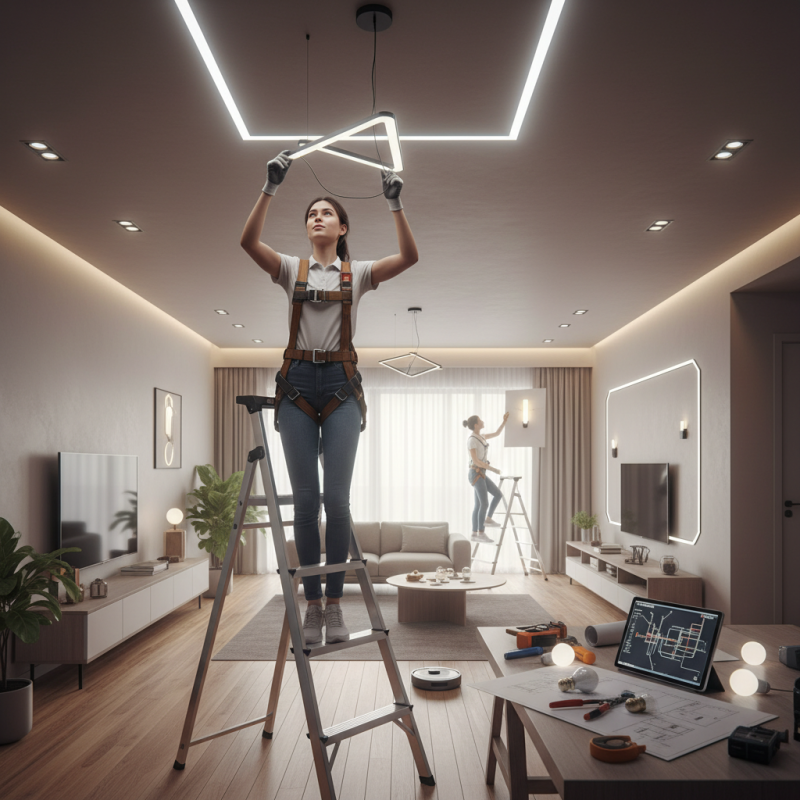
Essential Lighting Installation Tips For Beginners in 2026

Essential Lighting Principles for Beginners: Understanding Types and Functions

Understanding lighting principles is vital for beginners embarking on installations. Different types of lights serve unique functions in a space. Ambient lighting creates a soft glow and illuminates an entire area. Task lighting is more focused, allowing you to see clearly while reading or cooking. Accent lighting highlights architectural features or artwork, adding depth and interest.

When planning your lighting, consider the mood you want to create. Warm light can make a room feel cozy. Cool light often feels more energetic. Use a combination of different light types for balance. Be aware that the placement of lights matters. Overhead fixtures can cast unwanted shadows, while strategically placed lamps can enhance functionality.

Mistakes are part of the learning process. It’s okay if your first setup isn’t perfect. Experiment with different arrangements; you might be surprised by how small changes can impact the ambiance. Document what works and what doesn’t. This way, you’ll refine your skills and develop a better eye for lighting design over time.

Essential Lighting Installation Tips For Beginners in 2026

Tip Description Type of Lighting Function
Understand Light Levels Assess the brightness required for various tasks in a space. Ambient General illumination
Choose the Right Bulb Select bulbs based on color temperature and brightness. LED, Incandescent Task lighting
Plan Your Layout Strategically position lights to minimize shadows and enhance functionality. Accent Highlight features
Use Dimmers Install dimmer switches to control light levels and create mood. All types Mood enhancement
Consider Natural Light Take advantage of windows and skylights for a more balanced lighting scheme. Natural Daylight integration

Key Factors in Choosing Lighting Fixtures: Size, Style, and Efficiency

Choosing the right lighting fixture involves several key factors. Size is crucial. A small fixture in a large room may seem lost. Conversely, a large fixture can overwhelm a small space. The National Institute of Standards and Technology (NIST) reports that the ideal size should correspond to the room's dimensions. A general rule suggests that the fixture's diameter should equal one inch for every foot of the room’s height.

Style matters too. Lighting sets the mood in a space. A sleek, modern fixture can project a contemporary feel. Traditional styles may evoke warmth and nostalgia. The American Lighting Association indicates that around 45% of homeowners consider aesthetics as a primary factor in their lighting choices. It’s essential to coordinate the fixture style with other decor elements.

Efficiency cannot be overlooked. Energy-efficient lighting not only reduces costs but also enhances environmental sustainability. The U.S. Department of Energy states that LED lights use at least 75% less energy than incandescent bulbs. This efficiency makes a significant impact on energy bills and reduces carbon footprints. Choosing the right combination of size, style, and efficiency will ensure a well-lit, welcoming space.

Step-by-Step Installation Process: Tools and Safety Considerations

When installing lights, proper tools and safety are crucial. A report from the National Electrical Contractors Association highlights that nearly 30% of electrical accidents stem from improper tool use. Essential tools include wire strippers, screwdrivers, and voltage testers. Always ensure your tools are in good condition. Worn tools can lead to mistakes and accidents.

Safety should be your top priority. Wearing insulated gloves and safety goggles protects against electrical shocks and debris. The Occupational Safety and Health Administration emphasizes that over 90% of electrical injuries can be prevented with proper safety measures. Make sure to turn off the power before beginning any installation. Don’t work alone; having someone nearby can provide help in emergencies.

Additionally, some beginners rush through the process. This often leads to poor connections or misaligned fixtures. A study by the Electrical Safety Foundation International indicates that poor installations can increase fire risks. Slow down and double-check your work. Pay attention to the details, such as securing wires and ensuring fixtures are correctly positioned. Remember, taking shortcuts can have long-term consequences.

Understanding Local Codes and Regulations: Ensuring Compliance in 2026

When diving into lighting installation, understanding local codes is crucial. These regulations can differ significantly from one area to another. They dictate how you should install lighting systems in residential or commercial settings. Familiarizing yourself with these codes protects you and ensures safety for others.

Begin by checking your local building department's website or visiting them in person. They typically provide guidelines on maximum wattage, fixture types, and allowable circuit breakers. Skipping this step may lead to non-compliance. Not all installations are straightforward. Sometimes, an inspection may reveal issues requiring adjustments. This can be frustrating, but it’s essential for safety.

Engaging with local electricians or contractors can also help demystify these codes. Don't hesitate to ask questions; most are willing to share their knowledge. Understanding the regulations takes time but saves you from potential fines or hazards. Embrace this learning process; every bit of insight sharpens your skills.

Energy Efficiency Standards: Leveraging LED Technology in Lighting Design

Energy efficiency is crucial in modern lighting design. Leveraging LED technology can significantly reduce energy consumption while improving illumination quality. LED lights last longer and consume less power. This shift aligns with 2026's heightened energy efficiency standards.

When installing lighting, consider the placement carefully. A well-placed light fixture can enhance a room’s natural beauty. Avoid over-lighting areas, as this can lead to harsh contrasts and discomfort. Instead, think about layering your lighting. Use ambient, task, and accent lights to create a balanced atmosphere.

Choose LED fixtures with appropriate lumens for your space. A dim area might need brighter bulbs, while a space with ample light could use lower lumens. Take time to adjust and experiment; this iteration process can help identify the right balance. Mistakes in lighting can lead to undesirable effects, so embrace the learning curve. The goal is to create a functional and inviting environment.

FAQS

: What is ambient lighting?

: Ambient lighting creates a soft glow that illuminates an entire area. It sets the overall mood.

How does task lighting help?

Task lighting focuses on specific areas to improve visibility. It's useful for activities like reading and cooking.

What is accent lighting used for?

Accent lighting highlights features or artwork in a room. It adds depth and visual interest.

How should I choose the size of a fixture?

Match the fixture size to the room dimensions. A small fixture in a big room may feel lost.

Why is the style of lighting important?

Style influences the mood of a space. It should match the overall decor for a cohesive look.

How does energy efficiency impact choice?

Energy-efficient lights lower costs and help the environment. LED lights use at least 75% less energy.

What mistakes should beginners avoid?

Beginners may place fixtures poorly. Document your attempts and learn from what doesn’t work.

What mood can warm lighting create?

Warm lighting makes a room feel cozy. It’s great for living spaces where relaxation is desired.

Is it okay if my first lighting setup isn’t perfect?

Yes, mistakes are part of learning. Adjustments can greatly improve the ambiance and functionality.

How can placement affect lighting?

Fixture placement matters. Overhead lights can create shadows while lamps may enhance the room's functionality.

Conclusion

In "Essential Lighting Installation Tips For Beginners in 2026," readers are introduced to fundamental lighting principles that cater to novice installers. The article highlights the various types and functions of lighting, helping beginners to understand their options better. It emphasizes the importance of considering key factors such as the size, style, and energy efficiency of lighting fixtures when making selections.

Additionally, the article outlines a step-by-step installation process, stressing the significance of proper tools and safety precautions. It also covers the necessity of understanding local codes and regulations to ensure compliance in 2026. Lastly, the discussion on energy efficiency standards showcases how leveraging LED technology can enhance lighting design while being eco-friendly. These Lighting Installation Tips For Beginners serve as an invaluable guide for anyone looking to embark on their lighting projects confidently.

Charlotte

Charlotte

Charlotte is a seasoned marketing professional with a deep understanding of the company's portfolio and a passion for elevating its presence in the market. With a keen eye for detail and a commitment to excellence, she ensures that our professional blog is regularly updated with insightful articles......