Creating an ideal workspace can significantly influence productivity. One of the most critical factors in this equation is lighting. Understanding the "Best Lighting For Workspace Productivity" can enhance focus, elevate mood, and boost overall efficiency.
Research shows that natural light is the most effective. It reduces eye strain and fatigue. However, not everyone has access to ample natural light. Therefore, selecting the right artificial lighting is essential. LED lights are popular choices for their energy efficiency and longevity. They offer brightness that can be adjusted, catering to individual needs.
Many workplaces still rely on traditional fluorescent lighting, which may lead to discomfort. It's crucial to be aware of how different lighting affects work performance. Experimenting with various options may lead to surprising results. Lighting choices can appear trivial, yet their impact is profound. Re-evaluating your workspace can yield improvements in productivity. The right lighting is not merely a comfort; it is a necessity. Choosing lighting thoughtfully makes a difference.
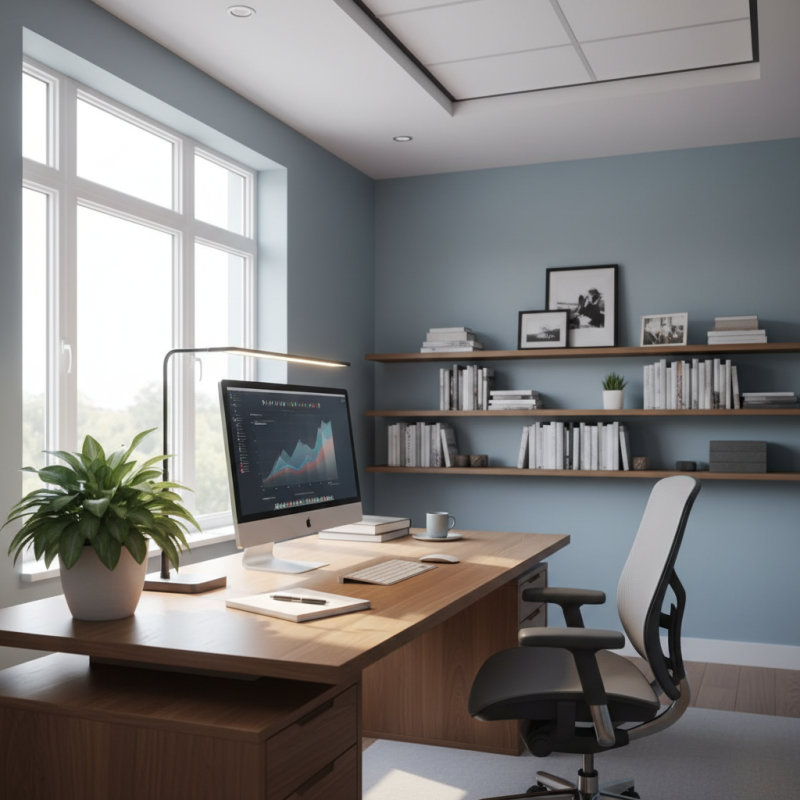
Understanding the Impact of Lighting on Productivity
Lighting significantly influences workplace productivity. A study by the American Society of Interior Designers reveals that 68% of employees feel their productivity is affected by poor lighting. Proper lighting can enhance focus, mood, and overall performance. Many workers report feeling more energized in well-lit environments. Conversely, dim or harsh lights can lead to eye strain and fatigue.
Choosing the right light temperature is crucial. A cooler light (5000K) mimics daylight and can boost alertness. Warmer light (3000K) promotes relaxation. Aim for a mix that suits your tasks. Introduce natural light wherever possible; it supports your circadian rhythm and improves overall well-being.
**Tips:** Adjust lighting based on activity. Use brighter, cooler lights for tasks requiring focus. Opt for softer, warmer tones during breaks. Consider incorporating adjustable lighting options. This flexibility caters to individual preferences and productivity patterns, fostering a balanced workspace. Remember, the goal is to create an environment that supports both productivity and comfort. Effective lighting is a core aspect of a thriving workplace.
Best Lighting Options to Boost Workspace Productivity
Types of Lighting: Natural, LED, and Fluorescent Options
Natural lighting is a significant factor influencing workspace productivity. Studies indicate that employees in well-lit spaces are 15% more productive. Natural light can enhance mood and focus. It also helps regulate circadian rhythms, which can improve overall health. However, not all workspaces can utilize ample daylight.
LED lighting has become popular for its efficiency and versatility. According to the U.S. Department of Energy, LED lights use at least 75% less energy than incandescent lighting. This type can simulate natural light, improving alertness and concentration. The warm color temperature of certain LED options can create a more inviting environment. Yet, some employees might find LED light harsh over long periods.
Fluorescent lighting is frequently used for office spaces due to its cost-effectiveness. However, it can cause flicker, leading to eye strain and headaches. A report by the National Institute for Occupational Safety and Health found that up to 60% of office workers report discomfort with fluorescent lights. Adjustments, like using diffusers or softer bulbs, can help, but practical implementation often falls short. The challenge remains: how to choose the ideal lighting that fosters productivity while considering employee comfort.
Designing a Workspace: Layout and Lighting Arrangement
When designing a workspace, the layout and lighting arrangement play crucial roles in productivity. A well-planned layout maximizes space and encourages movement. Consider the flow of traffic. Desks should not be directly facing walls, as this can feel oppressive. Instead, position them to foster openness. This simple change can enhance creativity and collaboration.
Lighting needs thoughtful consideration. Natural light is ideal, as it boosts mood and energy. If possible, place desks near windows. If natural light is limited, choose warm LED lights. They mimic daylight and are easier on the eyes. However, avoid harsh fluorescent lights, which can create a dull atmosphere. Layered lighting is effective; mix ambient, task, and accent lighting for variety.
Most importantly, be aware of over-illuminating your space. Too much light can lead to eye strain and decreased focus. Regularly assess your lighting choices. Are they working? Do you feel comfortable? Adjustments may be necessary to find the right balance. Each workspace is unique, so it's essential to personalize your lighting and layout for optimal results.
Adjustable Lighting Solutions for Different Tasks
Adjustable lighting can significantly enhance workspace productivity. Different tasks require different lighting conditions. For example, tasks that need focus and detail, such as reading or drafting, benefit from bright, clear light. A desk lamp with adjustable brightness can create an ideal environment for these activities. However, many people overlook the importance of light color as well. Cooler tones tend to improve alertness, while warmer tones can create a calmer atmosphere.
In shared workspaces or when multitasking, adjustable overhead lighting is essential. It should accommodate the needs of various activities. A well-lit area can reduce eye strain and fatigue, allowing for longer, more productive work sessions. Yet, it’s important to recognize when light levels are too harsh. This can lead to discomfort and decreased concentration. Finding the right balance may require experimentation.
Don’t underestimate the impact of task-specific lighting. A simple desk lamp might suffice for quick tasks, but complex projects often require more focused lighting. Consider the layout of your workspace. Are there dark corners that need attention? Using adjustable lighting solutions can reduce shadows and enhance overall clarity. Reflection on personal lighting habits is crucial. Experimenting with different setups can lead to better productivity outcomes.
Best Lighting Options to Boost Workspace Productivity
| Lighting Type |
Color Temperature (K) |
Best Use Case |
Adjustability |
Energy Efficiency |
| LED Desk Lamp |
5000-6000 |
Reading, Writing |
Height and Angle Adjustable |
High |
| Floor Lamp |
3000-4000 |
General Illumination |
Swivel Head |
Medium |
| Task Lighting |
4000-5000 |
Detailed Work |
Fully Adjustable |
High |
| Smart Lighting |
2700-6500 |
Multi-Functional |
App Controlled |
Very High |
| Ambient Light |
3500-4500 |
Overall Workspace Lighting |
Fixed Height |
Medium |
Best Practices for Maintaining Optimal Lighting Conditions
Maintaining optimal lighting conditions in your workspace is crucial for productivity. Natural light is often the best choice. If you can, position your desk near windows. This promotes alertness and enhances mood. However, not every space has abundant sunlight. In such cases, consider using adjustable LED lights that mimic natural daylight.
Pay attention to the color temperature of your lighting. A cooler light can boost focus, while warmer tones create a relaxed atmosphere. Aim for a balance that suits your tasks. Test different setups; sometimes slight adjustments yield significant improvements. Don’t forget about glare. It can cause distractions and fatigue. Position screens away from direct light sources to minimize this issue.
Regular lighting checks ensure effectiveness. Dust can accumulate on light fixtures over time. Cleaning them not only improves brightness but also prolongs their lifespan. Take note of how you feel in different lighting conditions. If you notice eye strain or headaches, evaluate and adjust your setup. Understanding these factors can lead to a more productive workspace.
FAQS
: Natural lighting can boost productivity by 15%. It enhances mood and focus. It also regulates circadian rhythms.
LED lights are energy-efficient, using 75% less energy than traditional lights. They can mimic natural light to improve concentration.
Some people find LED lighting harsh over prolonged exposure. This can lead to discomfort during long work hours.
Fluorescent lighting is cost-effective for office spaces. However, many workers report issues like eye strain and headaches.
Using diffusers or softer bulbs can alleviate discomfort. However, practical implementation often lacks effectiveness.
Adjustable lighting allows customization for specific tasks, improving focus for activities like reading or drafting.
Cooler tones can boost alertness, while warmer tones may create a calming atmosphere. This impacts overall productivity.
Yes, effective task-specific lighting reduces shadows and enhances clarity. This enables better focus for complex projects.
Reflect on personal lighting habits and explore different setups. Finding the right balance requires experimentation.
Too much light can cause discomfort and reduce concentration. It’s vital to find a comfortable lighting level.
Conclusion
Effective lighting plays a crucial role in enhancing workspace productivity. Understanding the impact of lighting on productivity reveals that the right illumination can significantly affect focus and energy levels. This article explores various types of lighting, including natural, LED, and fluorescent options, and highlights their benefits in a work environment.
Designing a workspace involves thoughtful consideration of layout and lighting arrangement to create an optimal atmosphere. Adjustable lighting solutions cater to different tasks, ensuring that employees can adapt their surroundings to meet specific needs. By adhering to best practices for maintaining optimal lighting conditions, organizations can significantly improve their overall productivity levels. Ultimately, identifying the best lighting for workspace productivity is essential for fostering a conducive working environment.
 Boffo Lights
