Lighting Quality vs Cost Which Is More Important for Buyers?

Time:2026-07-11 Author:Aria
0%

In today's competitive market, the debate surrounding lighting quality vs cost comparison is ever-present. Industry expert Dr. Emily Hart, a renowned lighting designer, emphasizes, "Buyers often overlook that quality lighting greatly impacts their environment and well-being." This statement highlights the importance of not solely focusing on cost when making lighting decisions.

Many consumers grapple with balancing their budgets while seeking effective lighting solutions. High-quality lighting can enhance productivity and mood, creating spaces that are both functional and aesthetically pleasing. However, the allure of lower-cost options often leads to compromises that may overshadow these benefits.

Dr. Hart’s insights remind buyers of the tangible effects that lighting can have on everyday life. A cheap fixture might save money upfront, but the long-term drawbacks often lead to dissatisfaction. It is crucial for consumers to reflect on their choices to ensure that they prioritize not just affordability, but also the value added by quality lighting. In the lighting quality vs cost comparison, understanding the trade-offs is vital in making informed purchasing decisions.
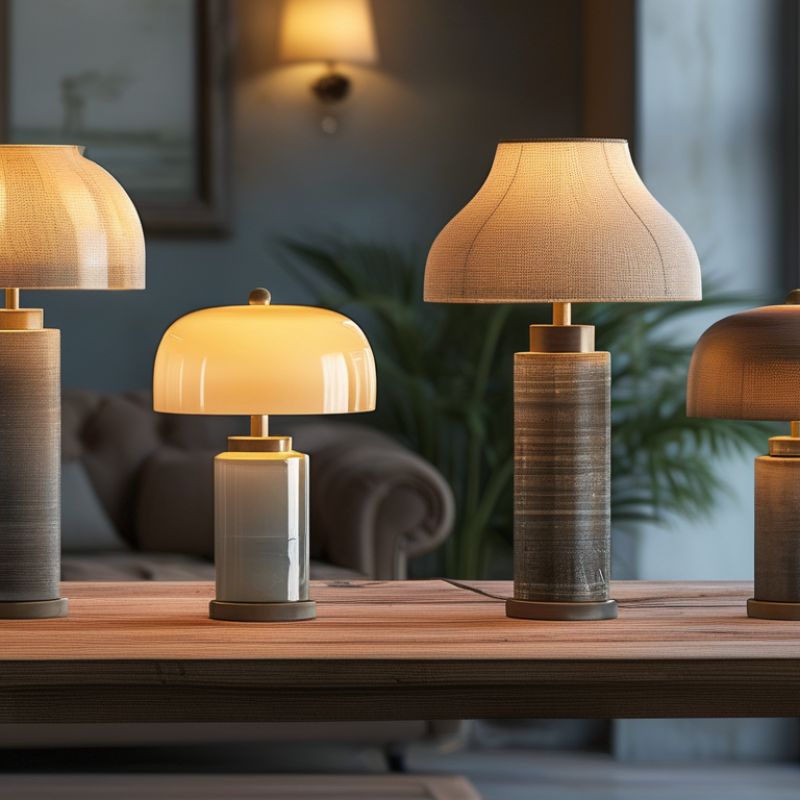
Lighting Quality vs Cost Which Is More Important for Buyers?

Lighting Quality: Definition and Key Characteristics

Lighting quality significantly impacts both aesthetics and functionality in various environments. According to a report from the International Lighting Design Association, high-quality lighting can enhance productivity by up to 25%. This is particularly relevant in office spaces where lighting influences mood and focus.

Key characteristics of lighting quality include color rendering, brightness, and consistency. Good lighting should accurately display colors. A study by the U.S. Department of Energy shows that 80% of users notice color differences under varied lighting conditions. In retail settings, shoppers are more likely to purchase products displayed in well-lit areas. However, achieving the perfect balance can be challenging for buyers with budget constraints.

Moreover, not every environment requires top-tier lighting. In some cases, overspending on premium options may not yield substantial benefits. For instance, a high-end setup in a warehouse might not provide the intended return on investment. Evaluating the specific needs of an environment is crucial. Buyers must often weigh quality against cost, determining which factors bring the most value.

Cost Considerations in Lighting Purchases

When considering lighting purchases, cost plays a crucial role. Many buyers focus on the initial price tag. They may overlook long-term value. Cheap options can lead to frequent replacements. This increases overall expenses over time. It's essential to weigh the cost against the quality of light produced.

A deeper understanding of lighting can help buyers make informed decisions. Energy-efficient bulbs might cost more upfront. However, they save money on electricity bills. In the long run, spending a bit more can yield better results. High-quality lighting improves mood and productivity. The right choice enhances not just appearance but also well-being.

Buyers should reflect on their choices. Are you prioritizing short-term savings? Or do you recognize the benefits of investing in quality? This decision impacts your environment significantly. Balancing cost with quality is a nuanced task. Take time to explore options before making a purchase. It’s a journey worth taking.

Balancing Quality and Cost: Consumer Perspectives

Lighting plays a pivotal role in our daily lives. Consumers often grapple with deciding between quality and cost. High-quality lighting fixtures may offer better illumination and longevity, but they come with a higher price tag. Conversely, budget-friendly options may not meet the standards expected by discerning buyers.

Many consumers express frustration over identifying the right balance. Some report that they regret opting for cheaper solutions due to frequent replacements or poor performance. Others feel guilty about spending more, questioning whether the enhanced quality justifies the expense.

Finding the sweet spot between quality and cost can be challenging. Each individual has different priorities and values. Ultimately, it’s vital to assess both factors carefully. Reflecting on personal experiences can lead to smarter purchasing decisions. Buying lighting should enhance living spaces, not diminish them.

Lighting Quality vs Cost: Which Is More Important for Buyers?

Consumer Group Quality Importance (%) Cost Importance (%) Preferred Price Range Main Purchase Motivation
Homeowners 75% 25% $50 - $150 Energy Efficiency
Renters 63% 37% $20 - $80 Aesthetics
Business Owners 80% 20% $100 - $500 Brand Image
DIY Enthusiasts 70% 30% $30 - $120 Safety Features
Interior Designers 85% 15% $200 - $800 Design Flexibility

Impact of Lighting Quality on User Experience and Satisfaction

Lighting plays a crucial role in our daily lives. The quality of light affects mood, productivity, and even safety. Poor lighting can lead to eye strain and discomfort. In contrast, well-designed lighting enhances experiences, making spaces more inviting. For example, warm light creates a cozy atmosphere, while brighter light is energizing.

User satisfaction often hinges on these subtleties in lighting. Many people underestimate its impact. A dining setting with soft lighting may encourage longer conversations. Conversely, harsh fluorescent light in an office can foster anxiety. However, buyers sometimes prioritize cost over quality, resulting in subpar lighting solutions. This can backfire, leading to dissatisfaction and regrets.

It is essential to reflect on personal experiences with lighting. Have you ever felt uneasy in a poorly lit room? The discomfort highlights the need for quality over mere cost. While budget constraints are real, compromising on lighting can diminish overall satisfaction. There is a delicate balance between affordability and the impact of lighting quality on human experience. Assess what truly enhances your environment.

Market Trends: Consumer Preferences in Lighting Choices

In recent years, consumer preferences in lighting choices have shifted significantly. According to a report by the American Lighting Association, energy efficiency is now a top priority for many buyers. A remarkable 65% of consumers consider energy-saving capabilities as a critical factor when selecting lighting products. This trend reflects a growing awareness of both environmental impact and long-term cost savings.

However, buyers are often torn between lighting quality and price. While economical options may attract attention, they can compromise overall performance. A study suggests that 70% of consumers experience dissatisfaction with low-cost lighting, citing issues like inadequate brightness and poor color rendering. These factors can detract from the overall experience, prompting buyers to invest in higher-quality solutions.

Tip: Always consider the lighting's Color Rendering Index (CRI). A CRI above 90 is ideal for accurate color representation.

Many consumers overlook the importance of light quality. Investing in high-quality products offers not only aesthetics but also enhances well-being. Natural light imitation can increase productivity and mood. Yet, finding a balance between cost and quality remains a challenge.

Tip: Test different lighting options in your space before committing. This can reveal unexpected preferences and needs.

FAQS

: Why is cost an important factor in lighting purchases?

: Cost affects both initial investment and long-term expenses. Cheaper options might lead to frequent replacements.

What should buyers consider besides the initial price?

Buyers should weigh long-term value and energy efficiency. This can lead to savings on electricity bills.

How does lighting quality impact mood and productivity?

High-quality lighting enhances mood and productivity. It mimics natural light, improving overall well-being.

What trend is seen in consumer lighting preferences?

Energy efficiency is a top priority for consumers. Many now prefer products that save energy and reduce costs.

What are the downsides of low-cost lighting options?

Economical options can compromise performance. Many users report dissatisfaction with brightness and color rendering.

How can consumers ensure better lighting choices?

Test different options in your space. This helps uncover personal preferences and needs before making a final choice.

What is the ideal Color Rendering Index (CRI) for lighting?

A CRI above 90 is best for accurate color representation. It enhances the overall lighting experience.

Should buyers focus on short-term savings or long-term investment?

Reflect on your priorities. Short-term savings may lead to higher costs long-term due to replacements.

How important is energy efficiency in lighting decisions?

Energy efficiency is critical for many buyers. It reduces both environmental impact and electricity costs over time.

What common mistake do buyers make when choosing lighting?

Many overlook the importance of light quality. Focusing too much on price can lead to inadequate lighting for their needs.

Conclusion

The article "Lighting Quality vs Cost: Which Is More Important for Buyers?" explores the essential aspects of lighting choices by examining the definition and key characteristics of lighting quality alongside cost considerations in purchases. The discussion highlights how consumers often weigh the trade-offs between high-quality lighting and budget constraints, reflecting varied perspectives on what they deem most important.

Additionally, the piece delves into the impact of lighting quality on user experience and satisfaction, emphasizing that superior lighting can enhance functionality and ambiance in spaces, potentially justifying higher expenses. Market trends indicate a growing preference for improved lighting quality, underscoring the significance of the "Lighting Quality vs Cost Comparison" in consumers' decision-making processes. Ultimately, the balance between quality and cost remains a crucial factor as buyers navigate the diverse landscape of lighting products.

Aria

Aria

Aria is a dedicated marketing professional with a deep passion for innovative strategies and a keen understanding of our company's product offerings. With a wealth of experience in the industry, Aria excels at crafting engaging content that highlights the unique features and benefits of our......