In contemporary China, the trend of minimalism has influenced various design elements, particularly in interior decor. With a focus on simplicity and functionality, "Lighting For Minimalist Interiors" plays a crucial role. According to a recent report by the China Lighting Association, 75% of homeowners prefer clean lines and unobtrusive lighting designs. This data highlights the growing demand for lighting that complements minimalist aesthetics.
Expert designer Lisa Chen emphasizes, "Effective lighting can transform a simple space into a serene haven." Her insights reflect a broader industry consensus on the significance of appropriate lighting. Minimalist interiors benefit from natural light, using strategically placed fixtures to enhance spatial harmony.
However, many homeowners still struggle with balancing light intensity and ambiance. The challenge lies in selecting fixtures that align with minimalistic values while ensuring effectiveness. Adequate planning is essential, as poorly chosen lights can disrupt the intended tranquility. Overall, exploring innovative lighting options can elevate minimalist spaces, but it requires thoughtful consideration.
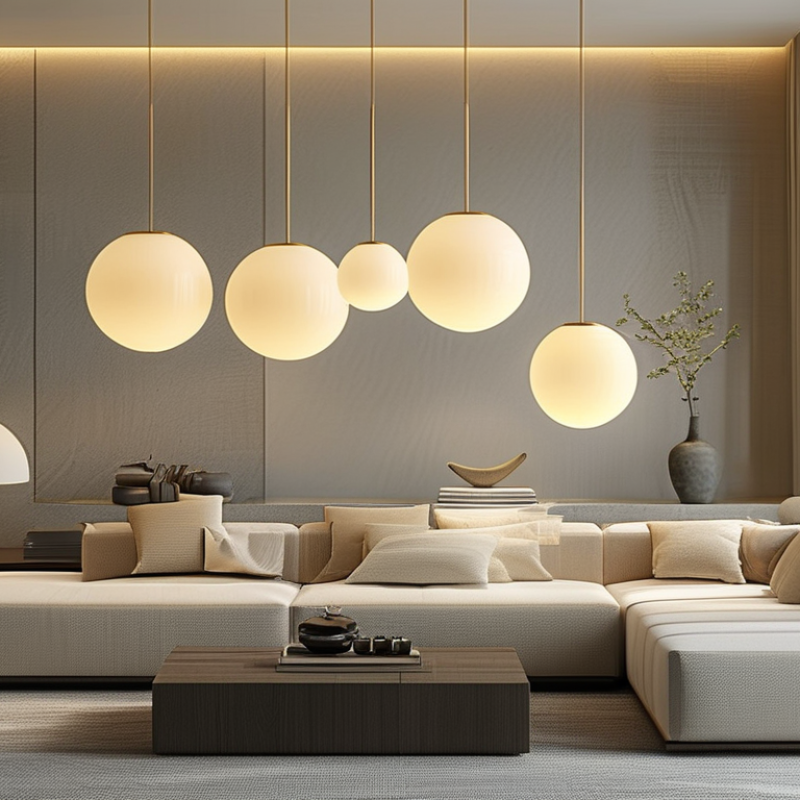
Lighting plays a vital role in minimalist interiors in China. It transforms spaces while enhancing simplicity. Research shows that effective lighting can improve mood by 20%. Natural light is essential. Large windows and open layouts create a harmonious connection with the outdoors. This approach helps maintain the minimalistic ethos, merging bright, airy spaces.
When considering light fixtures, less is often more. Simple pendant lights and recessed lighting maintain clean lines. According to industry reports, 70% of designers prefer soft, warm tones. These tones create a calming atmosphere. Overly bright white light can disrupt minimalism. A careful balance is crucial in achieving simplicity without losing functionality.
The placement of lighting is equally important. It should highlight key features, not overwhelm. Positioning over furniture draws attention without cluttering. Additionally, dimmable lights can adjust mood and function. Many designers face challenges in achieving this balance. Continuous iteration and adjustment are key. No design is perfect, and the journey of discovery often leads to better results. The interplay of light and space remains an art that evolves.
This chart illustrates the popularity of various lighting styles used in minimalist interiors across China. The data reflects preferences for natural light, LED fixtures, and pendant lighting.
Lighting plays a crucial role in minimalist interiors, especially in China, where simplicity is valued. Popular lighting fixtures include sleek pendant lights and understated floor lamps. These fixtures highlight clean lines and subtle designs while maintaining functionality. Many homeowners opt for LED technology, which provides energy efficiency and longevity.
A recent report highlighted that over 70% of interior designers in China prefer minimalist lighting to enhance spatial flow. This trend emphasizes the importance of natural light and reduces reliance on artificial sources. Light fixtures are often chosen for their ability to blend into the background, creating an airy ambiance.
However, the challenge lies in balancing aesthetics with practical needs. Some minimalist spaces may feel too stark without adequate lighting. Designers must consider how shadows and highlights influence moods and perceptions in these environments. Achieving this balance requires thoughtful planning and a keen understanding of how light interacts with design elements.
The color temperature of lighting plays a crucial role in minimalist interiors. Warmer tones, typically around 2700K, create cozy and inviting spaces. This is ideal for areas meant for relaxation, like living rooms or bedrooms. On the other hand, cooler tones, such as 5000K, evoke a more energetic vibe. They can enhance productivity, making them suitable for home offices.
Selecting the right color temperature can influence the overall aesthetic significantly. A soft, warm glow can soften harsh lines and create an intimate atmosphere. It can make stark white walls feel less cold, adding depth to minimalist designs. Conversely, an overly bright or cold light can disrupt the balance. It may lead to an uncomfortable or sterile environment.
In a minimalist home, lighting is not just functional; it is an essential design element. Experimenting with various color temperatures allows homeowners to reflect their personalities. Bright, clinical lighting might not resonate with everyone's idea of home. It's crucial to assess one's preferences and how these choices impact daily moods and interactions within the space. Understanding this balance is key to achieving a harmonious minimalist environment.
Natural light plays a crucial role in minimalist interiors. It can transform a space, creating depth and ambiance. Large windows are essential in this design philosophy. They invite light and connect indoor spaces with nature. Using sheer drapes can soften harsh sunlight while maintaining brightness. Consider strategically placing mirrors to reflect light throughout the room. This simple technique enhances the overall atmosphere, creating a sense of openness.
Another way to incorporate natural light is by using light-colored materials. White walls amplify brightness, making rooms feel larger. Wood, bamboo, or stone add warmth to the environment. However, balance is key. Too much natural light can cause glare and heat. It's important to find a harmonious blend. Skylights are a unique option. They provide direct sunlight from above, enhancing vertical spaces.
Thinking about the flow of light is essential. Observing how light moves throughout the day helps in planning layouts. It might seem daunting to get it right. Some rooms may struggle with dark corners, despite your best efforts. Reflecting on these challenges can lead to creative solutions. Adjusting furniture placement can make a big difference. Embrace imperfections; they invite personal style and represent the journey of creating your ideal minimalist haven.
In minimalist interiors, lighting serves as both a functional and aesthetic element. Smart lighting solutions can enhance the overall design, seamlessly blending technology with simplicity. For instance, using dimmable LED lights creates a calming environment, ideal for relaxation. A well-placed pendant light can act as a focal point, drawing attention without overwhelming the space.
Smart home systems allow for greater control of lighting. Homeowners can adjust brightness and color temperature to suit different moods or tasks. This flexibility supports a streamlined living environment, making spaces feel more expansive. However, relying heavily on technology can sometimes lead to complexities. Users may find themselves overwhelmed by too many features or settings.
Incorporating natural light is also vital. Large windows or skylights invite daylight, reducing the dependence on artificial lighting. But, it’s essential to consider privacy and glare. Striking a balance requires thoughtful planning. When designing minimalist interiors, reflect on how lighting can enhance the beauty of simplicity while maintaining functionality.
: Lighting enhances simplicity and transforms spaces, improving mood by 20%.
Large windows invite natural light, connecting indoor spaces with the outdoors.
Simple pendant lights and recessed lighting help maintain clean lines.
Soft, warm tones are favored for their calming atmosphere.
Position lights to highlight key features without creating clutter.
Dimmable lights can adjust mood and functionality in a space.
Use sheer drapes and mirrors to soften and reflect light throughout the room.
Light-colored materials, like white walls and wood, amplify brightness.
Observing how light moves during the day helps in effective layout planning.
Adjusting furniture placement can help overcome dark corners, inviting personal style.
The article "Lighting Ideas for Minimalist Interiors in China?" explores essential concepts in "Lighting for Minimalist Interiors," highlighting design principles that enhance simplicity while maintaining functionality. It discusses popular lighting fixtures that resonate with minimalist aesthetics, emphasizing clean lines and understated elegance.
The article also delves into the significance of color temperature and its effect on creating a serene atmosphere that complements minimalist design. Incorporating natural light is presented as a crucial aspect, promoting well-being and a connection to the outdoors. Furthermore, it addresses smart lighting solutions that offer convenience and efficiency, making them ideal for streamlined living environments. By focusing on these elements, the article provides valuable insights for achieving harmonious minimalist interiors through thoughtful lighting design.

Boffo Lights