In today's design landscape, modern lighting trends for homes play a crucial role in defining spaces. Light transforms the atmosphere, enhancing both functionality and aesthetics. From minimalist fixtures to bold, artistic designs, today's options are vast and varied.
Homeowners are increasingly drawn to innovative styles that reflect their personalities. A unique lighting installation can act as a focal point. Many now favor energy-efficient solutions that marry form and function. However, balancing style and practicality remains a challenge. Trends often evolve rapidly, leaving some unsure about their longevity.
Exploring these modern lighting trends for homes reveals not only fresh ideas but also the potential pitfalls of following fleeting fashions. Individual tastes can clash with mainstream choices, making it vital to find what truly resonates. By understanding current trends, one can illuminate their space with confidence and intent.
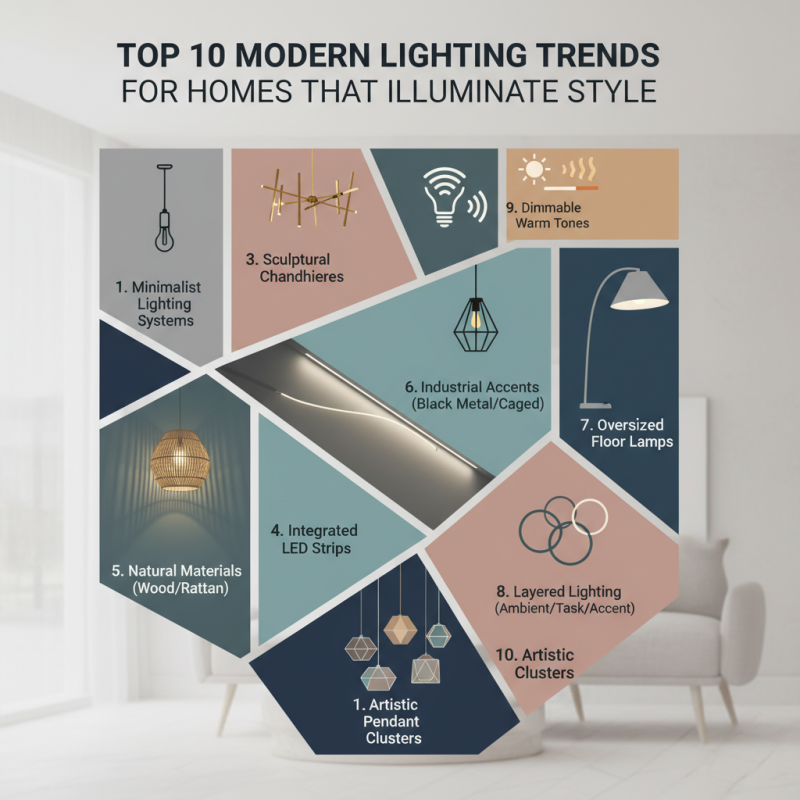
Modern lighting trends are evolving, combining function with style. Today’s designs focus on minimalist aesthetics while enhancing livability. Consider using statement pieces that double as art. Oversized fixtures can become the focal point of your room. The right lighting can transform a space, creating warmth and ambiance.
When choosing lighting, think about the mood you want. For a calm atmosphere, softer tones work best. A dimmable option allows flexibility. Layering different light sources can add depth. Combine ambient, task, and accent lighting for a complete look. Experiment with pendant lights and wall sconces. They can produce unique shadows and highlights, enhancing your decor.
One crucial tip is to consider scale. Visual balance is key in any room. Large rooms need bigger fixtures; small areas benefit from more delicate designs. Pay attention to the height of your fixtures as well. Too low can block views, too high might feel disconnected. Be open to adjusting your choices to see what feels right. This process is an art, requiring trial and error to achieve the perfect ambiance.
In contemporary homes, sustainable lighting solutions are gaining traction. According to the International Energy Agency, lighting accounts for approximately 15% of global electricity consumption. As homeowners become more eco-conscious, they seek alternatives that minimize energy use while enhancing style. LED technology has emerged as a frontrunner. These lights consume up to 75% less energy than incandescent bulbs, making them a smart choice.
Another promising option is solar-powered lighting. A report from Grand View Research suggests that the solar lighting market is projected to grow significantly, reaching over $18 billion by 2027. These lights harness sunlight during the day and illuminate spaces at night, reducing reliance on grid electricity. However, some consumers may find initial costs to be a barrier. This reluctance can slow the adoption of these innovative solutions.
Lastly, smart lighting systems offer both efficiency and control. A study by Navigant Research revealed that smart lighting can improve energy savings by up to 30%. Homeowners can program lights to turn off when not needed, further reducing energy expenditure. Yet, the complexity of installation and compatibility with existing systems might deter some. Thus, while these lighting trends promise sustainability, they also challenge homeowners to weigh upfront costs against long-term benefits.
Innovative smart lighting technologies are transforming how we illuminate our homes.
These advancements offer not just light, but also functionality. Imagine adjusting the ambiance with a simple voice command or an app on your phone.
Smart bulbs can change colors and brightness, creating a mood tailored to your needs.
This flexibility is a game-changer for modern living spaces.
Energy efficiency plays a crucial role here. Many smart lights use LED technology, consuming less power and lasting longer.
Homeowners can save on electricity bills while contributing to sustainability efforts. However, there is a learning curve.
Some users find it challenging to integrate these systems into their daily routines. Misconfigured settings can lead to frustration and disrupted moments.
Moreover, connectivity issues might crop up, leading to inconsistent performance.
It’s essential to choose reliable systems that suit your lifestyle. Even with their challenges, these technologies enhance home functionality.
Bright, customized lighting can improve mood and productivity, making them worth considering.
Exploring smart lighting can truly illuminate your home’s style.
Incorporating biophilic design in lighting choices brings nature indoors. This approach embraces natural light and organic materials. It fosters a sense of calm and well-being. Use fixtures that mimic natural shapes, like leaves or branches. Choosing warm, earthy colors can enhance this effect. Consider adding light sources that change with the time of day. This can imitate sunrise and sunset, providing a rhythmic flow to your living space.
Natural light is vital for enhancing mood and productivity. Maximize daylight by placing mirrors strategically. Reflective surfaces can enhance limited light sources. Use soft, diffused lighting in the evenings. This creates a cozy atmosphere reminiscent of candlelight. Integrating plants with your lighting can further enhance the biophilic theme. Plants purify the air and add a vibrant touch to your decor.
It’s essential to ponder how your lighting makes you feel. If a space feels overly sterile, it might be time to rethink your approach. Incorporate textures and layers to create visual interest. The balance between artificial and natural elements is delicate. Too much artificial light can overshadow the beauty of natural decor. Strive for harmony; it may take some time to achieve the right blend.
| Trend | Description | Key Features | Biophilic Elements |
|---|---|---|---|
| Nature-Inspired Shapes | Lighting fixtures that mimic organic forms, such as leaves and branches. | Curved lines, earthy materials, organic textures. | Enhances connection to nature through design. |
| Sustainable Materials | Use of eco-friendly materials like bamboo or recycled metals. | Low-impact materials that promote sustainability. | Supports a healthier planet and living space. |
| Integrated Smart Lighting | Smart lighting systems that adjust based on natural light. | Automated brightness adjustment, mood settings. | Enhances well-being with adaptive lighting. |
| Artisanal Designs | Custom, handcrafted fixtures that showcase artistry. | Unique craftsmanship, attention to detail. | Creates a personal and inviting atmosphere. |
| Dimensional Lighting | Layered lighting techniques that create depth. | Combination of ambient, task, and accent lighting. | Mimics the natural layering found in nature. |
| Geometric Patterns | Fixtures with geometric shapes that play with light. | Triangles, hexagons, and other shapes. | Reflects the order and structures found in nature. |
| Natural Light Maximization | Designing spaces that enhance the flow of natural light. | Large windows, skylights, light tunnels. | Increases exposure to daylight, improving mood. |
| Color Temperature Control | Lighting that adjusts color temperature to mimic the sun. | Warm and cool settings, circadian rhythm support. | Enhances sleep patterns and mood balance. |
| Outdoor-Indoor Transition | Seamless lighting designs that connect indoor and outdoor spaces. | Consistent style and function across spaces. | Blurs the lines between nature and home. |
| Mood-Enhancing Features | Lighting designed specifically to elevate mood. | Dynamic color changes, soft dimming capabilities. | Supports mental wellness through lighting. |
Artistic lighting fixtures are transforming homes into stunning spaces. These pieces are not just functional; they also serve as focal points. According to a recent report by the American Lighting Association, 45% of homeowners consider aesthetics a top priority when choosing lighting solutions. Sculptural designs, such as geometric shapes and nature-inspired forms, elevate decor while fulfilling practical needs.
Lighting designers emphasize the balance between art and function. Unique fixtures can enhance mood and atmosphere. The combination of style and illumination is essential. A study from the International Association of Lighting Designers found that 75% of designers aim for distinctive designs. However, some installations might not suit every space. It’s important to reflect on how lighting interacts with a room's dimensions and colors.
Choosing the right lighting requires careful thought. Not all artistic pieces fit seamlessly into every environment. The size, shape, and materials should align with the overall design vision. People often overlook how personal taste influences their choices. Yet, finding a striking fixture that resonates with one’s style can make a significant impact on the ambiance. Ignoring the practicalities can lead to disappointment.
: Modern lighting trends combine function with style, emphasizing minimalist aesthetics and livability.
The right lighting creates warmth and ambiance, transforming the space effectively.
Combining ambient, task, and accent lighting adds depth and visual interest to your decor.
Scale ensures visual balance; large rooms need bigger fixtures, while small areas benefit from delicate designs.
Strategically placing mirrors can enhance limited light sources and improve the overall mood.
Use fixtures made from organic materials and choose colors that mimic nature for a calming effect.
Natural light boosts mood and productivity; excessive artificial light can feel sterile.
Rethink your approach; incorporate textures, layers, and natural elements to create balance.
Plants not only purify the air but also complement your lighting theme beautifully.
It often requires trial and error; be open to adjusting your choices as you experiment.
The article titled "Top 10 Modern Lighting Trends For Homes That Illuminate Style" offers a comprehensive overview of current trends shaping interior lighting. It highlights sustainable lighting solutions that not only enhance energy efficiency but also align with eco-friendly practices. Additionally, innovative smart lighting technologies are explored, showcasing how homeowners can benefit from increased functionality and convenience through automation and control.
Another significant aspect discussed is the incorporation of biophilic design in lighting choices, which emphasizes a connection to nature and the enhancement of well-being. The article also features artistic and sculptural lighting fixtures that serve as focal points, adding aesthetic appeal and personality to any space. Overall, these Modern Lighting Trends For Homes reflect a growing desire for style, sustainability, and smart integration in contemporary living environments.

Boffo Lights