Why Is Proper Lighting Essential For Educational Facilities?

Time:2026-08-30 Author:Liam
0%

Proper lighting is vital for educational facilities. It impacts student performance and well-being. A report by the National Institute of Building Sciences indicates that the right lighting can enhance learning by up to 20%. This is a significant improvement that educational institutions should consider.

Dr. Sarah Johnson, an authority in educational lighting, states, "Quality illumination fosters a better learning atmosphere." Her expertise highlights how natural light and proper artificial lighting can create a conducive environment for both students and teachers.

However, many schools still struggle with inadequate lighting. Some classrooms lack sufficient natural light, which can lead to fatigue. Lighting For Educational Facilities varies widely, but consistency and quality remain key challenges. Addressing these issues is essential for maximizing educational outcomes.
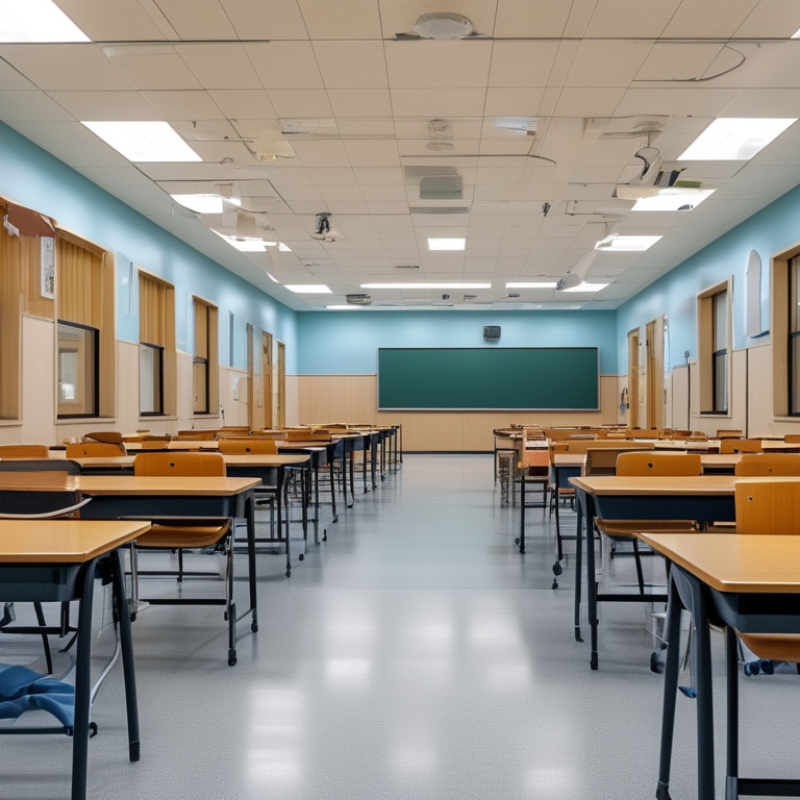
Why Is Proper Lighting Essential For Educational Facilities?

Importance of Lighting in Enhancing Learning Environments

Lighting plays a vital role in shaping effective educational environments. Research shows that optimal lighting improves student concentration and enhances memory retention. A study conducted by the U.S. Department of Energy revealed that students in naturally lit classrooms performed up to 20% better in standardized tests compared to those in poorly lit spaces. Proper lighting not only boosts academic performance but also affects students' mood and energy levels.

The quality of light impacts more than just academic results. Poor lighting can lead to eye strain, fatigue, and decreased motivation. The National Institute for Occupational Safety and Health found that inadequate lighting in classrooms contributes to higher absenteeism rates among students and teachers. Additionally, the right balance of natural and artificial light can create a sense of comfort and safety, positively influencing the overall learning atmosphere.

In recent years, schools have begun to recognize the need for improved lighting solutions. Despite this, many facilities still rely on outdated lighting systems. Upgrading to energy-efficient LED options can reduce energy consumption while providing better illumination. This presents an opportunity for educational institutions to align with sustainable goals, yet many hesitate due to budget constraints. It's a reflection of the challenges schools face in prioritizing environmental sustainability alongside educational enhancement.

Impact of Natural Light on Student Performance and Well-being

Natural light plays a crucial role in educational settings. Studies reveal that classrooms with ample daylight significantly boost student performance. One report by the Heschong Mahone Group found that students in classrooms with natural light scored 18% higher on standardized tests. These improvements correlate with enhanced focus and engagement.

Access to sunlight also positively impacts well-being. Natural light helps regulate circadian rhythms, which influence sleep and mood. According to research published in the Journal of Environmental Psychology, students report lower stress levels in well-lit spaces. Lighting can create an environment where students feel more energized and ready to learn.

To maximize the benefits of natural light, schools should design spaces with large windows. Encourage outdoor learning activities to enhance exposure to sunlight. Regularly assess and adjust lighting to ensure optimal conditions throughout the year. Consider integrating reflective surfaces to amplify natural light within classrooms. Thoughtful lighting design can lead to better learning outcomes and a healthier environment.

Impact of Natural Light on Student Performance and Well-being

Types of Lighting Fixtures Suitable for Educational Spaces

In educational facilities, the types of lighting fixtures chosen can significantly impact learning environments. While natural light is ideal, many indoor spaces rely on artificial lighting. Fluorescent lights are common in classrooms. They provide bright illumination but can create stark atmospheres. The flickering of fluorescent bulbs may also distract students.

LED lighting is gaining popularity. It offers energy efficiency and longer lifespan. Many schools are incorporating LED fixtures to reduce costs. However, some LEDs lack warmth and can appear too harsh. Teachers often report that balancing light intensity is challenging. Task lighting, such as desk lamps, can help. They provide focused illumination for reading and writing.

Another option is pendant lights. These fixtures can add aesthetic appeal to classrooms. Proper placement can enhance visibility and engagement. However, they may create shadows if not installed correctly. Maintaining the right lighting balance is an ongoing process. It's essential to regularly assess how different lighting affects students' focus and comfort.

Strategies for Effective Lighting Design in Classrooms

Effective lighting design in classrooms greatly impacts learning outcomes. Studies show that well-lit spaces boost student performance by up to 23%. Achieving optimal lighting can significantly enhance both concentration and retention rates. Natural light is known to improve mood and energy levels. However, relying solely on sunlight can lead to inconsistency.

Innovative designs, such as layered lighting, address these concerns. Combining ambient, task, and accent lighting allows for flexibility. For example, using LED lights can help reduce eye strain while providing sufficient brightness. Adjustable lighting options enable educators to tailor the environment for different activities.

In many classrooms, lighting is often overlooked or improperly implemented. Many educators may not recognize its importance. A study found that nearly 50% of teachers reported inadequate lighting in their classrooms. This raises questions about training and awareness in educational facilities. Proper lighting should not be an afterthought. Investing in effective lighting is investing in student success.

Why Is Proper Lighting Essential For Educational Facilities? - Strategies for Effective Lighting Design in Classrooms

Lighting Type Benefits Recommended Lumens Color Temperature (Kelvin)
Natural Lighting Enhances mood, improves focus, reduces eye strain 300-500 5000-6500
LED Lighting Energy-efficient, long-lasting, uniform illumination 400-600 4000-5000
Fluorescent Lighting Cost-effective, reduces shadows, available in various color temperatures 300-500 3000-6500
Incandescent Lighting Warm light, good color rendering, enhances comfort 200-300 2700-3000

Addressing Safety and Accessibility Through Proper Lighting Solutions

Proper lighting in educational facilities is crucial for ensuring safety and accessibility. Research indicates that 75% of accidents in schools occur in poorly lit areas. Properly designed lighting enhances visibility, enabling students to navigate spaces safely. Inadequate lighting can lead to increased risk of falls or collisions, especially in stairwells or hallways. Moreover, students with disabilities often face additional challenges in poorly lit environments. Enhanced lighting solutions can significantly lessen these barriers.

Accessibility extends beyond just visibility. According to the U.S. Access Board, effective lighting can improve orientation and independence for all students, particularly those with visual impairments. Implementing adaptive lighting strategies can include the use of brighter LEDs or fixtures that minimize glare. These changes promote an inclusive atmosphere, benefitting everyone. However, awareness of the potential for light pollution is essential. Excessive brightness can distract or overwhelm. Striking a balance is crucial.

This is where reflective practices play a role. Regular assessments of lighting conditions can identify areas needing improvement. Educational institutions should not only install lighting but also seek feedback from the user community. Listening to students and staff can reveal hidden issues. Ultimately, prioritizing safety and accessibility through thoughtful lighting solutions fosters a supportive learning environment.

FAQS

: How does lighting affect student performance?

: Optimal lighting can improve concentration, leading to better academic results.

What is the impact of natural light in classrooms?

Classrooms with natural light can boost student test scores by up to 18%.

What are the effects of poor lighting on students?

Poor lighting can cause eye strain, fatigue, and decreased motivation among students.

How does lighting influence mood and energy?

Proper lighting creates a welcoming atmosphere, helping students feel energized and less stressed.

What challenges do schools face in upgrading lighting?

Budget constraints often hinder schools from adopting energy-efficient lighting solutions.

Why is natural light important for well-being?

Access to natural light helps regulate sleep and mood, lowering stress levels in students.

What can schools do to improve lighting?

Incorporate large windows and reflective surfaces to enhance natural light in classrooms.

Are there long-term benefits to improving classroom lighting?

Improved lighting can lead to better retention of information and overall student well-being.

How do outdated lighting systems affect learning?

They can contribute to higher absenteeism and less effective learning environments.

Can lighting design impact educational goals?

Thoughtful lighting design can support sustainable goals while enhancing educational environments.

Conclusion

Proper lighting is a crucial aspect of educational facilities, greatly influencing the learning environment and overall student well-being. Adequate lighting enhances focus and engagement, while natural light can significantly boost students' performance by promoting a positive atmosphere. In educational spaces, incorporating the right types of lighting fixtures, such as LED options and task lighting, can cater to diverse learning needs.

Effective lighting design strategies in classrooms should prioritize both functionality and aesthetics, creating a conducive space for learning. Addressing safety and accessibility through proper lighting solutions is also essential, ensuring that all students can navigate the environment comfortably. Ultimately, investing in thoughtful lighting for educational facilities not only improves academic outcomes but also contributes to a healthier and more inclusive atmosphere for all learners.

Liam

Liam

Liam is a dedicated marketing professional with a profound expertise in the industry, where he excels at highlighting the unique advantages of our core products. With a keen understanding of market trends and consumer needs, Liam frequently updates our company’s professional blog, providing......