Renovating a space requires careful planning, especially when selecting lighting solutions. Lighting for renovation projects plays a crucial role in enhancing aesthetics and functionality. The right lighting can transform a dull room into a vibrant space, shaping moods and defining areas.
Choosing the perfect lighting is not simple. There are many factors to consider. Think about the purpose of each room and its unique features. For instance, a kitchen needs bright, task-oriented lighting, while a living area benefits from warm, inviting tones. Each choice impacts the overall atmosphere.
However, it's easy to overlook the importance of lighting. Many homeowners focus on furniture and color schemes, neglecting how light affects their design. An effective lighting plan should address both practical needs and visual appeal. This guide highlights ten lighting solutions tailored for renovation projects, ensuring a balanced approach to transforming your space.
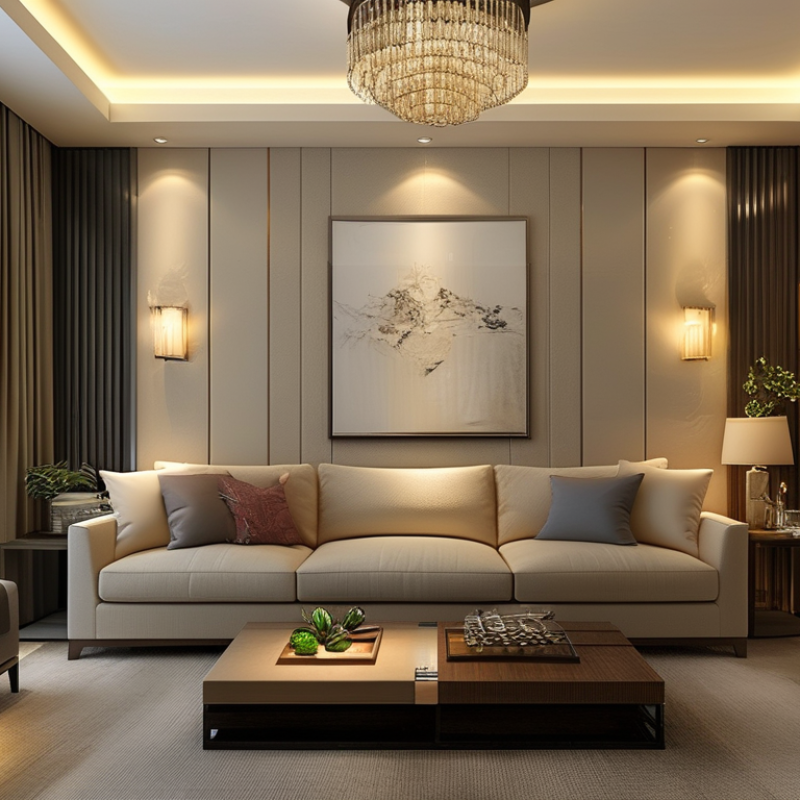
Essential Factors to Consider When Choosing Lighting for Renovations
Choosing the right lighting for your renovation projects can be a daunting task. There are many factors to consider. The style of the space is crucial.
Modern, traditional, or eclectic designs require different lighting approaches.
Consider how each room will be used. A workspace needs brighter lights, while a living room benefits from softer illumination.
The type of fixtures also plays a significant role.
Pendant lights can create a focal point in kitchens or dining areas.
Wall sconces add warmth and depth to hallways or bedrooms. Think about bulb types too.
LED lights are energy-efficient and long-lasting. They come in various color temperatures, affecting the mood of the space.
Don’t overlook dimmers. They offer flexibility and can change the atmosphere instantly.
However, it’s easy to underestimate the impact of natural light. Assess how windows and other openings affect the overall lighting scheme.
In some cases, mirrors can help reflect light, making a space feel larger. Each choice you make should balance function and aesthetic.
This consideration helps avoid missteps in your lighting design.
Popular Lighting Styles and Trends for Modern Renovation Projects
When planning your renovation projects, lighting plays a critical role. Choosing the right lighting style can transform your space. The trend of minimalism continues to dominate, emphasizing simplicity. Clean lines and neutral colors create a serene atmosphere. Consider using pendant lights over dining areas for an inviting effect.
Another popular style is industrial lighting, which features raw materials like metal and exposed bulbs. It adds character to modern homes. These fixtures can serve as focal points. Don’t shy away from mixing styles; combining modern and vintage pieces can create a unique look.
Tips: Think about layering your lighting. Use ambient, task, and accent lights for versatility. Pay attention to the placement to avoid dark corners. Reflect on your space; too much clutter can overwhelm the design. Remember to consider energy-efficient options to lower your bills and reduce environmental impact.
Top 10 Lighting Solutions for Your Renovation Projects
| Lighting Type |
Description |
Style |
Installation Area |
Trends |
| LED Recessed Lighting |
Energy-efficient and sleek, integrated into ceilings. |
Modern |
Living Rooms, Hallways |
Minimalist design, smart technology |
| Pendant Lights |
Hanging fixtures available in various styles and sizes. |
Industrial, Vintage |
Kitchens, Dining Areas |
Open-concept spaces, bold designs |
| Smart Bulbs |
Lighting that can be controlled via smartphone or voice. |
Contemporary |
Any room |
Customization, automation |
| Wall Sconces |
Mounted light fixtures that provide ambient or accent lighting. |
Classic, Modern |
Hallways, Bedrooms |
Layered lighting, decorative designs |
| Track Lighting |
Flexible lighting that can be directed where needed. |
Modern, Functional |
Living Rooms, Galleries |
Versatile, adjustable fixtures |
| Chandeliers |
Decorative hanging lights that act as a focal point. |
Luxury, Traditional |
Dining Rooms, Entryways |
Statement pieces, ornate styles |
| Bubble Lamps |
Playful spherical lamps that add fun to spaces. |
Eclectic, Retro |
Living Rooms, Playrooms |
Unique shapes, informal settings |
| Table Lamps |
Portable lamps for task and ambient lighting. |
Traditional, Modern |
Bedrooms, Living Rooms |
Variety of designs, multi-functional |
| Under-Cabinet Lighting |
Illuminate workspaces, typically installed in kitchens. |
Practical, Modern |
Kitchens, Work Areas |
Functional lighting, easy installation |
| Floor Lamps |
Tall, freestanding lighting fixtures for ambient light. |
Contemporary, Vintage |
Living Rooms, Reading Nooks |
Versatile styles, after-hours relaxation |
Energy-Efficient Lighting Options to Enhance Your Renovation
Renovation projects offer a unique opportunity to improve energy efficiency through thoughtful lighting choices. According to the U.S. Department of Energy, LED lighting can reduce energy consumption by up to 75% compared to traditional incandescent bulbs. This remarkable statistic underscores the potential savings for homeowners. However, many people still underestimate the impact of lighting on energy bills.
One effective approach is incorporating smart lighting solutions. These systems allow users to automate lighting based on their routines. Research shows that homeowners can cut energy use by 40% when using smart lighting controls. While the upfront costs might seem high, the long-term savings can be significant. It's crucial to weigh initial investment against future benefits.
Consider also the importance of daylighting. Strategically placing windows can enhance natural light in your space. This method can lead to a 20% reduction in artificial lighting needs. However, improper placement may result in glare or excessive heat gain. Finding the right balance is essential for maximizing efficiency. Renovations are a chance to rethink how lighting can transform spaces while being mindful of energy use and comfort.
Innovative Smart Lighting Solutions for Home Improvements
Innovative smart lighting solutions have become essential in modern home renovations. These technologies not only enhance aesthetics but also improve energy efficiency. Imagine walking into a room and having the lights adjust automatically to your preferred brightness. This creates an inviting atmosphere tailored to your mood.
Smart lighting systems offer incredible flexibility. You can control them remotely via your smartphone. Setting schedules or creating scenes based on the time of day is simple. However, not every system works seamlessly. Connectivity issues may arise, and troubleshooting can be frustrating. It’s vital to select systems that integrate well with your home’s existing infrastructure.
Consider adding motion sensors to your lighting setup. They ensure lights activate as you enter a space, enhancing convenience and security. Dimmer switches can also create a cozy ambiance in the evenings. On the downside, the initial cost of smart solutions may seem high. Evaluating your long-term savings is crucial. Balancing innovation with practicality is key to a successful renovation.
Tips for Layering Lighting to Create Ambiance in Renovated Spaces
Layering lighting in renovated spaces can transform a room's ambiance. It’s about creating balance and enhancing functionality with different light sources. Use ambient, task, and accent lighting to achieve depth. Ambient lighting provides general illumination while task lighting focuses on specific work areas. Accent lighting highlights art or architectural features.
One tip is to mix light temperatures. Warm light creates a cozy feel in living areas, while cooler lights are ideal for workspaces. This contrast adds interest to your renovations. Consider dimmers to adjust brightness, making your space versatile.
Another important aspect is fixture placement. Use a combination of overhead lights, floor lamps, and wall sconces. This approach avoids harsh shadows. Experiment with various heights and angles for a dynamic effect. Remember, lighting should complement your renovation style, not overpower it. Adjusting these elements helps achieve the perfect mood for any occasion.
Conclusion
When embarking on renovation projects, choosing the right lighting is crucial for enhancing both functionality and aesthetics. Key factors to consider include the purpose of the space, the mood you wish to create, and the layout of your home. Modern renovation trends highlight the popularity of various lighting styles, from minimalist fixtures to vintage-inspired designs, allowing homeowners to express their personal taste while ensuring practicality.
Energy-efficient lighting options, such as LED bulbs, not only reduce energy consumption but also contribute to the overall sustainability of renovation efforts. Additionally, innovative smart lighting solutions are transforming how we interact with our homes, providing convenience and control at our fingertips. To achieve a well-balanced ambiance in renovated spaces, layering different types of lighting—ambient, task, and accent—is essential. By carefully selecting Lighting for Renovation Projects, one can significantly elevate the overall appeal and atmosphere of the home.
 Boffo Lights
