In 2026, lighting will play a crucial role in hospitality design. The focus on "Lighting For Hospitality Design Trends" reflects the evolving needs of guests. They seek experiences that are unique and memorable. In this landscape, lighting goes beyond mere functionality. It enhances mood, defines spaces, and tells a story.
Innovative light sources and smart technologies will shape environments. Designers must consider sustainability and energy efficiency. Choices in lighting can elevate architecture and create ambiance. However, getting it right involves trial and error. Some trends may miss the mark, needing continuous refinement. Balancing aesthetics with practicality remains a challenge.
Moreover, integrating local culture into lighting schemes will be essential. Each space should resonate with its surroundings. Lighting must reflect the essence of the locale. As we look to the future, staying informed about these trends is vital. A keen understanding of industry shifts will allow professionals to create spaces that are not only beautiful but also functional and inviting.
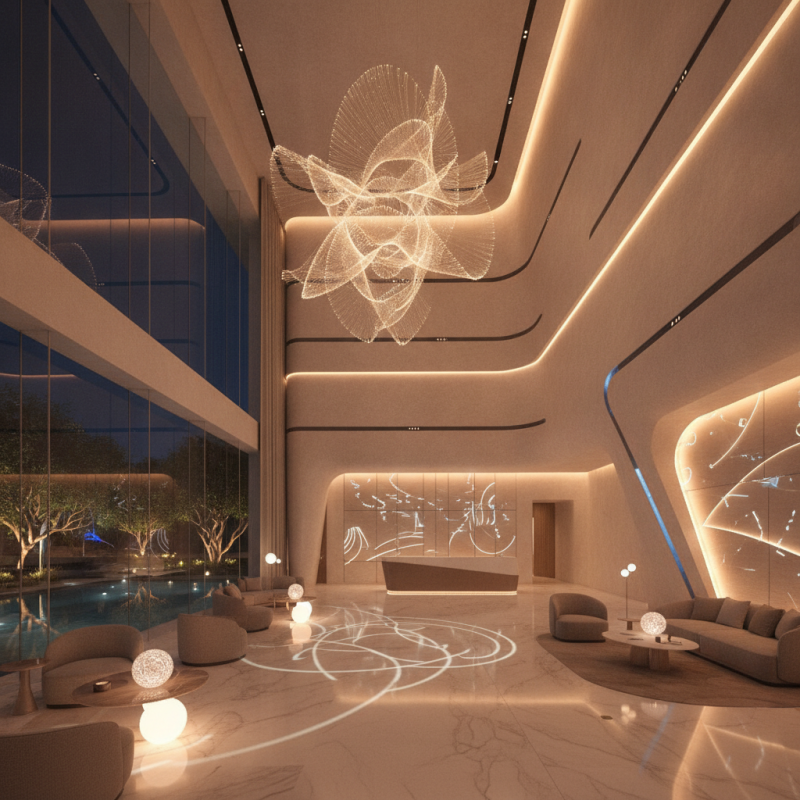
The hospitality industry is witnessing a shift towards smart lighting technologies. These innovations are reshaping how spaces are designed and experienced. Imagine a lobby that adjusts its lighting based on the time of day, creating a warm welcome in the morning and an intimate atmosphere at night. This adaptability enhances the guest experience significantly.
Smart lighting goes beyond mere aesthetics. It incorporates sensors and controls that respond to occupancy and natural light. Hotels can reduce energy usage while ensuring optimal comfort for guests. However, implementing these systems isn't always straightforward. The integration of various technologies can be complex and may require staff retraining. Balancing efficiency and guest satisfaction remains a challenge.
Collaborative spaces within hotels also benefit from intelligent lighting. For instance, a conference room can shift from bright, focused lighting to softer tones for networking breaks. Yet, not every setup will suit every event, necessitating continuous adjustments. The path to creating an ideal atmosphere involves experimentation and feedback from users. Such reflections can lead to enhanced designs in the future.
Sustainable lighting solutions are becoming essential in the hospitality sector. Hotels are striving for energy efficiency while enhancing guest experiences. According to a recent report by the International Energy Agency, buildings account for 30% of global energy consumption, with lighting being a major contributor. Increasingly, properties are shifting towards LED technology, which offers 75% energy savings compared to traditional incandescent bulbs.
Many hotels are adopting smart lighting systems that adjust automatically to occupancy and natural light levels. This not only reduces energy waste but also provides a tailored atmosphere for guests. The Global Lighting Association notes that energy-efficient lighting can lower operational costs by up to 20%. However, initial investment in such technology can be high, posing a challenge for budget-conscious hotel owners.
Additionally, as sustainable practices become more vital, hotels need to rethink their aesthetic choices. Lighting should not only be functional but also innovative and appealing. While the push for energy efficiency is crucial, some hoteliers struggle with finding the balance between cost and performance. It’s a complex environment where effective solutions must be weighed against budgets and guest expectations.
| Trend | Description | Benefits | Energy Efficiency (%) | Sustainability Impact |
|---|---|---|---|---|
| Smart Lighting | Integration of IoT technologies for automated lighting control. | Improved guest comfort and operational efficiency. | 30-50% | Reduces carbon footprint via optimized energy use. |
| LED Technology | Adoption of high-efficiency LED fixtures throughout the hotel. | Lower energy costs and longer lifespan. | 60-80% | Contributes greatly to reduced energy consumption. |
| Natural Light Utilization | Design strategies that maximize daylight in guest areas. | Enhanced guest experience and reduced reliance on artificial lighting. | Variable | Supports overall well-being and reduces lighting needs. |
| Biophilic Design | Incorporating natural elements and lighting into the design. | Improves mental health and aesthetic appeal. | 20-40% | Promotes nature connection, enhancing sustainability. |
| Adaptive Lighting | Lighting systems that adjust based on time of day and occupancy. | Maximizes energy efficiency and guest satisfaction. | 25-45% | Contributes to overall energy savings across operations. |
In restaurant design, color temperature plays a crucial role in shaping the dining experience. Research shows that 80% of customers associate pleasant lighting with higher quality meals. For 2026, mood-enhancing color temperatures will rise to prominence, with a focus on warm whites and soft ambers. These temperatures create a welcoming atmosphere, encouraging guests to linger longer.
Lighting professionals recommend aiming for color temperatures around 2700K to 3000K. This range mimics the warm glow of sunset, promoting relaxation. Too cool a light can make diners feel uncomfortable. Conversely, warmer tones can slightly boost appetite, supporting menu items.
Tips for implementation include layering your lighting. Combine ambient, task, and accent lights to create depth. Don’t overlook the power of dimmers; they help adjust the mood as the dining experience progresses. Observe how patrons respond to different lighting setups. Reflection on guest behavior can guide further adjustments. Remember, the objective is to craft a memorable experience, not just illuminate the space. Balancing aesthetics with functionality can be challenging but crucial.
The integration of biophilic design principles into hospitality lighting strategies is gaining traction. Research from the International Journal of Hospitality Management shows that spaces incorporating natural light improve guest satisfaction by up to 25%. Natural light is crucial for mental well-being and enhances the overall experience in hotels and restaurants.
Designers are now more attuned to how lighting can mimic the dynamics of nature. This approach can include variable light levels that fluctuate throughout the day. Such strategies are vital to creating a harmonious atmosphere. A report by the World Green Building Council emphasizes that spaces with biophilic elements foster higher productivity and engagement.
However, the challenge remains in finding the right balance. Over-reliance on natural light can lead to glare, which detracts from the experience. Designers must experiment with layers of light. Incorporating indirect lighting alongside natural sources can enhance comfort without overwhelming guests. Reflecting on this can guide future innovations in hospitality design.
User-centric lighting controls are shaping the future of hospitality design. These systems offer guests the ability to personalize their environments. Adjusting brightness and color temperature can create a welcoming atmosphere. Guests appreciate having control over their space, which enhances their overall experience.
In hotels and restaurants, lighting plays a crucial role in mood. Soft, warm lighting can encourage relaxation, while bright, cool lighting can energize. User-centric controls allow guests to fine-tune their surroundings. Imagine a family adjusting the lights while enjoying dinner. The choice empowers them and adds comfort.
However, implementing these systems is not without challenges. Some guests may find complex controls overwhelming. Training staff to assist with issues can mitigate this. It’s essential to balance technology with simplicity. Not all guests will take full advantage of advanced features. This raises questions about the effectiveness of such investments. Ensuring reliability and ease of use is key to a successful guest experience.
: Sustainable lighting solutions help hotels save energy while improving guest experiences. They focus on efficiency and aesthetics.
LED technology can save up to 75% energy compared to traditional incandescent bulbs. This can greatly reduce operational costs.
Smart lighting systems adjust automatically to occupancy and natural light. They help reduce energy waste and enhance guest comfort.
Natural light improves guest satisfaction and mental well-being. It can elevate the overall experience in hospitality spaces.
Balancing natural light and glare prevention is challenging. Designers need to blend layers of light for optimal comfort.
These controls allow guests to personalize their environments. Adjusting brightness and color enhances their overall experience.
Some guests may find the controls complex. Staff training can help address potential issues for a smoother experience.
Yes, initial investment costs can be high. Budget-conscious hotels may struggle to adopt energy-efficient technologies.
Soft lighting encourages relaxation, while bright lighting energizes. The right lighting can significantly enhance the dining experience.
Simplicity is essential. Not all guests will utilize advanced features, so reliability and ease of use are crucial.
As we look ahead to 2026, the landscape of lighting for hospitality design trends is evolving rapidly, driven by technological advancements and a growing emphasis on sustainability. Emerging smart lighting technologies are transforming hospitality spaces, enabling hotels and restaurants to create dynamic environments that can adapt to various needs and moods. Additionally, sustainable lighting solutions are becoming paramount, providing energy-efficient options that align with eco-conscious practices, ultimately benefiting both the environment and operational costs.
Incorporating mood-enhancing color temperature trends into restaurant design is enhancing the dining experience, while the integration of biophilic design principles ensures that lighting harmonizes with natural elements, fostering a tranquil atmosphere. User-centric lighting controls are further enhancing guest experiences, allowing for personalized settings that cater to individual preferences. Together, these elements represent a forward-thinking approach to lighting in the hospitality sector, focusing on innovation and guest satisfaction.

Boffo Lights