Boffo Lights
Featured LED & Night Lighting Solutions
Explore our core engineering catalog featuring advanced illumination performance, strict manufacturing standards, and robust design certifications.
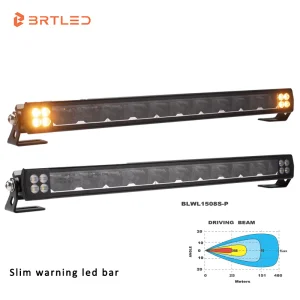
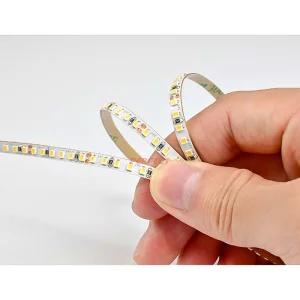
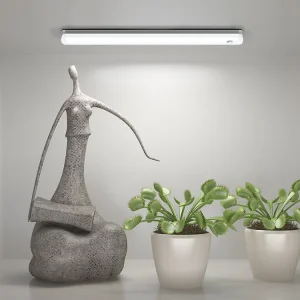
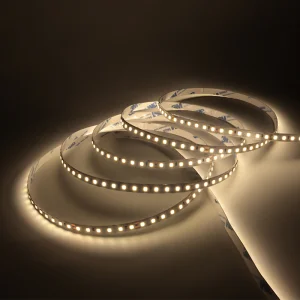
Shaoxing Boffo Light Co., Ltd.
Delivering high-integrity engineering, strict international standards compliance, and customized OEM/ODM lighting solutions for a global distribution network.
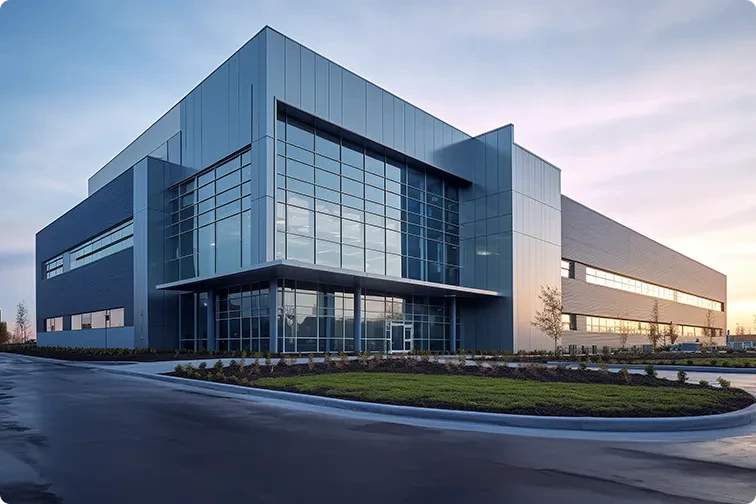
Located in the industrial manufacturing hub of Zhejiang, China, Shaoxing Boffo Light Co., Ltd. has spent over 15 years developing custom, industrial-grade, and commercial lighting solutions. Backed by advanced manufacturing facilities, robust supply-chain networks, and a dedicated, multidisciplinary R&D engineering team, we serve clients spanning North America, the European Union, and the Asia-Pacific region.
Adhering to our foundational philosophy of "integrity first, customer foremost," we run a rigorous manufacturing and quality control system in full compliance with international safety, electromagnetic compatibility, and environmental standards. From initial photometrical design and hardware CAD layouts to high-capacity automated production and strict post-assembly diagnostics, we deliver reliable, high-efficiency lighting products engineered to stand up to the most demanding commercial and residential environments.
2009
Established Year
15+
Years of Experience
200+
Skilled Employees
100+
Global Events & Projects
Precision-Engineered LED Lighting Solutions
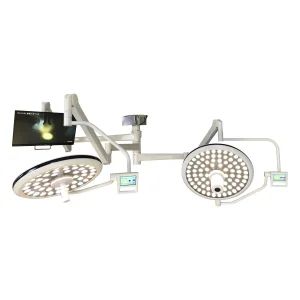
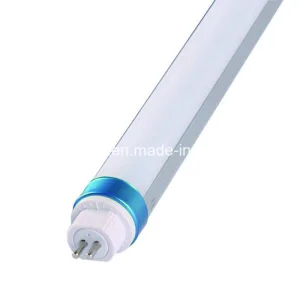
We specialize in developing and manufacturing performance-driven LED systems designed to meet distinct residential, industrial, and specialized applications:
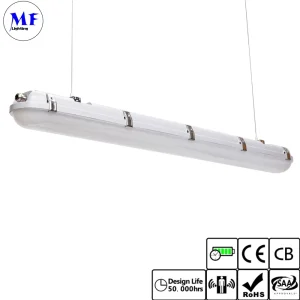
- ✔ LED Boffo Lights: Engineered with IP65/IP66 waterproof, dustproof, and corrosion-resistant features, ideal for heavy-duty, marine, and harsh commercial environments.
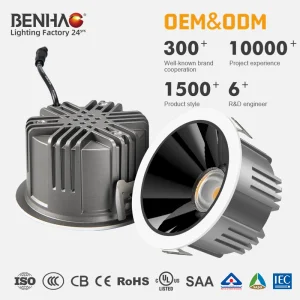
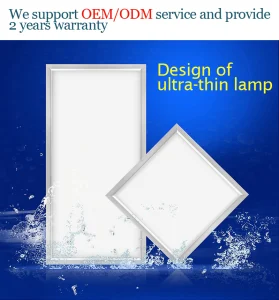
- ✔ Ceiling Lights: Combining architectural aesthetics with low energy consumption, ideal for premium office fit-outs, commercial retail spaces, and luxury residences.
- ✔ Batten Lights: High-efficacy, uniform linear lighting solutions designed for warehouse facilities, parking garages, and large-scale industrial workspaces.
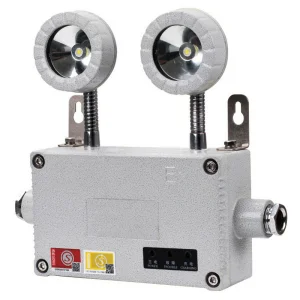
- ✔ Explosion-Proof Lights: Specialized safety fixtures developed for hazardous environments (Ex-rated zones), ensuring explosion-safe performance under high thermal stress.
We provide full-service OEM and ODM customization, supporting clients from preliminary schematic design to optical simulation, material sourcing, driver engineering, packaging design, and certification documentation.
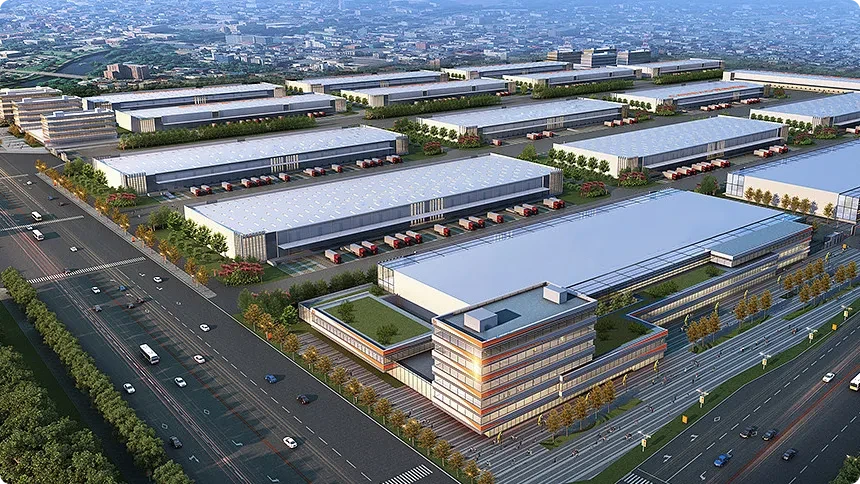
Uncompromising Quality & Innovation
Discover why global buyers partner with Shaoxing Boffo Light for their OEM/ODM projects.
Strict Quality Control
Every manufacturing step is monitored and logged, ensuring traceabilities from chip bins to finalized packaging.
Advanced SMT Lines
Equipped with state-of-the-art pick-and-place machinery for precise, high-speed component mounting and stable solder joints.
CE Certified Safety
Designed and certified to fully comply with EN 60598, EN 62471 photobiological safety, and EMC directives.
The B2B Manufacturing Blueprint: CE Certified LED Night Lights & Commercial Fixtures
1. The Regulatory Landscape: Deconstructing CE Compliance for Global Sourcing
In the global procurement of LED night lights and commercial electrical fixtures, compliance with regulatory safety directives is essential to protect brands and ensure market entry. CE Certification is not merely a label; it represents a comprehensive system verifying that a product conforms to safety, health, and environmental standards within the European Economic Area (EEA).
For B2B buyers importing LED products, the verification process covers several distinct directives:
- Low Voltage Directive (LVD) 2014/35/EU: This applies to electrical equipment operating between 50V and 1000V AC, and 75V and 1500V DC. It ensures the product prevents shock hazards, overheating, and fire risks during normal use or under fault conditions. For direct plug-in night lights, robust structural insulation and high-grade flame-retardant polymers (like UL 94 V-0 class plastics) are mandatory.
- Electromagnetic Compatibility (EMC) Directive 2014/30/EU: LED drivers rely on high-frequency switching circuits that can generate electromagnetic interference (EMI). The EMC directive ensures the lighting device does not interfere with nearby communication networks and retains adequate immunity to external electromagnetic disturbances.
- Photobiological Safety (EN 62471 / IEC 62471): This standard categorizes lighting products into risk groups (RG0 to RG3) based on potential retinal damage from blue-light emissions. For indoor LED night lights, particularly those in bedrooms and child environments, achieving a Risk Group 0 (Exempt) rating is critical to guarantee long-term ocular safety.
- RoHS Directive 2011/65/EU & WEEE: These regulations restrict the use of hazardous substances—such as lead, mercury, and cadmium—in electrical assemblies, requiring eco-friendly sourcing and recycling compatibility.
2. Global Procurement Dynamics & Supply Chain Demands
Enterprise buyers—including global retailers, hotel development chains, government infrastructure offices, and OEM brand owners—face complex market challenges. Sourcing reliable LED components requires balanced cost control, technical customizability, and reliable supply timelines.
Recent trade trends emphasize the need for regional manufacturing partners who can mitigate risk by keeping safety documentation up to date and maintaining stable production pipelines. Working with certified manufacturers like Shaoxing Boffo Light enables procurement managers to verify laboratory test reports (including IES files, integrating sphere data, and thermal testing records) before scheduling container shipments.
Additionally, modern B2B sourcing focuses heavily on product longevity. A minor component failure in a commercial night light or emergency light can lead to high maintenance costs and liability risks. By specifying high-grade electrolytic capacitors, integrated driver ICs with thermal shutdown properties, and high-efficiency SMD chips, buyers protect their investments and ensure consistent performance across thousands of operating hours.
3. China Factory 4.0: Achieving Supply Chain Resilience & Production Efficiency
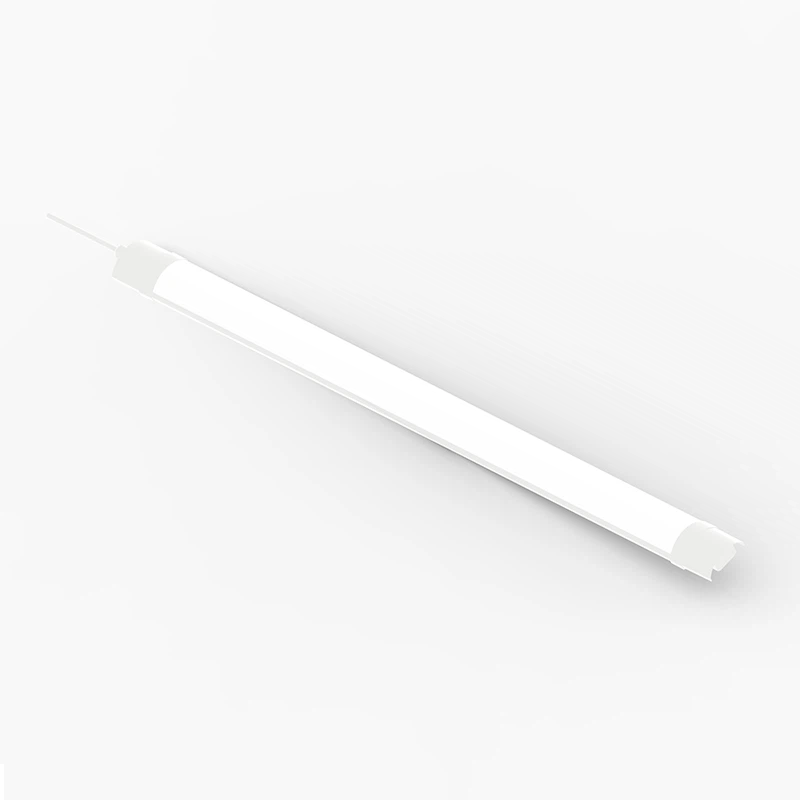
The manufacturing hub of Zhejiang has adapted to meet modern B2B expectations by transitioning to Industry 4.0 practices. At Shaoxing Boffo Light, we utilize this cluster advantage to integrate raw material procurement, metal extrusion, SMT component mounting, and final quality assurance within a streamlined geographic footprint.
This localized efficiency provides key operational advantages:
- SMT Automation: Modern surface-mount technology ensures precise placement of LED micro-components, minimizing human error and enhancing thermal performance.
- Advanced Thermal Modeling: Using copper-clad PCBs and high-conductivity thermal paste ensures efficient heat dissipation away from the LED junction, extending the lifespan of both the emitter and the driver.
- Agile Production Scheduling: Shared supply chains allow rapid scaling from low-volume prototypes to high-capacity bulk runs, helping buyers respond quickly to changing market demands.
4. Technological Trends Shaping the Future of Smart and Safe Illumination
The global LED industry is shifting from basic illumination toward smart, adaptive, and human-centric lighting designs:
- Human-Centric Lighting (HCL) & Circadian Rhythms: Research shows that exposure to high-intensity blue light at night suppresses melatonin production, disrupting sleep patterns. Modern night lights feature warm, low-intensity spectrums (2200K - 2700K) or dynamic CCT shifting to support natural sleep-wake cycles.
- Smart Integration & Sensor Networks: Standard lighting is evolving with the inclusion of microwave and passive infrared (PIR) motion sensors, ambient light photodiodes, and IoT protocol compatibility (such as Zigbee, Thread, or Matter). These integrations allow lights to operate autonomously based on occupancy and ambient light levels, saving energy.
- Sustainability and Eco-Design: In line with global efforts to reduce carbon footprints, modern factories are adopting post-consumer recycled (PCR) plastics, minimizing packaging materials, and designing modular internal components to simplify repair and recycling processes.
Technical Sourcing & Compliance FAQ
Answers to common questions regarding regulatory compliance, quality verification, and factory capabilities.
Commercial, Industrial & Specialty Lighting Lines
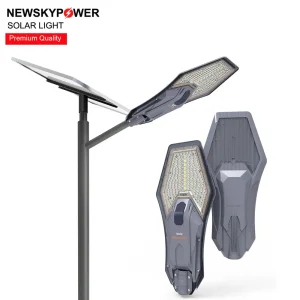
Explore our broader manufacturing capabilities, including solar installations, emergency lighting, and high-efficacy commercial systems.