Boffo Lights
The Evolution of Modern Horticulture: A Strategic Overview
In the rapidly maturing landscape of precision agriculture, selecting the right LED plant light partner is not merely a purchase—it is a strategic infrastructure investment. As a global procurement leader, we analyze manufacturers through the lens of E-E-A-T: Experience in harsh environmental conditions, professional spectral engineering, verifiable authority in industrial certifications, and reliability in long-term supply chain stability.
Global Procurement Trends & Industrial Demand
Current industrial data highlights a massive shift towards tunable spectrum LED systems. Enterprises now demand localized support and compliance (DLC, UL, CE) that goes beyond simple hardware. Procurement directors are prioritizing suppliers who offer "Information Gain"—proprietary research on photosynthetic photon efficacy (PPE) and thermal management strategies that reduce long-term OpEx.
Shaoxing Boffo Light: Bridging Innovation and Scale
Established in 2009, Shaoxing Boffo Light Co., Ltd. has demonstrated consistent growth in the lighting sector. Their trajectory reflects the broader shift toward smart, modular, and ruggedized LED solutions. By integrating 15+ years of R&D experience, Boffo provides the necessary foundation for industrial-grade horticulture and architectural lighting.
15+ Years
Industry Excellence
200+ Team
Expert Professionals
100+ Projects
Global Challenges Solved
Future Outlook: Technology Roadmap
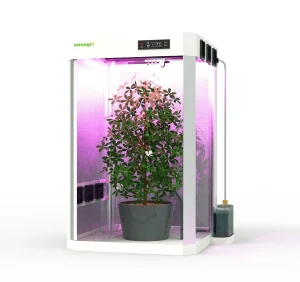
The next decade of LED Plant lighting will be defined by AI-integrated Vivariums and IoT-controlled environmental optimization. Our focus remains on custom power supplies and spectrum-tuning capabilities that allow for dynamic plant growth cycles. By partnering with manufacturers like Boffo, clients benefit from a "One-Stop Service" model—ensuring that design, production, and compliance are handled under a single umbrella.
FAQ: Navigating Procurement
Q: How do we ensure compliance for international markets?
A: Prioritize manufacturers with robust quality control protocols and documented testing cycles. Boffo adheres strictly to international standards, ensuring your equipment meets rigorous regional safety and performance thresholds.
Q: What is the benefit of OEM/ODM customization?
A: Customization allows for specific PAR (Photosynthetically Active Radiation) mapping to suit unique crop varieties, effectively increasing yield and reducing energy waste.