Boffo Lights
Premium LED Lighting & UV Engineering Showcase
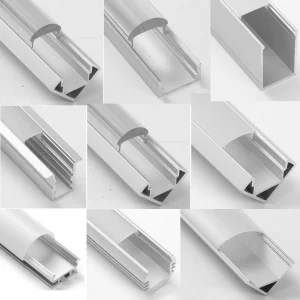
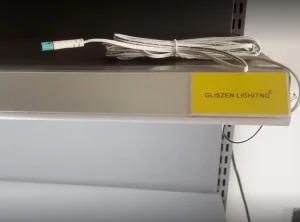
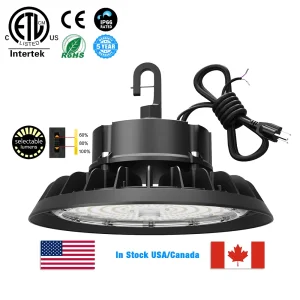
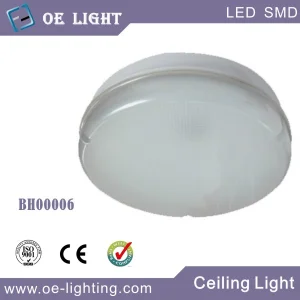
Explore our foundational range of certified LED products, built to withstand challenging industrial environments and designed for seamless integration.
The Technical Paradigm of CE Certified LED UV Lights
The industrial landscape is undergoing a critical transition from conventional high-pressure mercury lamps to Solid-State UV LED technology. This structural shift is propelled by the quest for greater energy efficiency, reduced maintenance overheads, environmental sustainability (conforming to the Minamata Convention on Mercury), and the precise control of electromagnetic radiation. In complex industrial applications—ranging from optoelectronic adhesive curing to high-speed commercial printing and sanitization—the necessity for certified equipment is paramount.
CE Certification serves as the fundamental benchmark for product safety, electromagnetic compatibility, and environmental compliance within the European Economic Area (EEA), influencing global sourcing protocols. A certified UV LED system must adhere strictly to a matrix of harmonized European standards, protecting enterprise clients against regulatory friction, operational hazards, and systemic downtime.
Essential Directives in UV LED Engineering
- Low Voltage Directive (LVD) 2014/35/EU: Regulates the electrical insulation and mechanical safety of power supplies, drivers, and modules to eliminate structural shock risks.
- Electromagnetic Compatibility (EMC) 2014/30/EU: Assures that high-power industrial UV circuits do not emit harmful electromagnetic interference (EMI) that could corrupt automated PLCs or robotic loops, while maintaining resilience to external emissions.
- RoHS Directive 2011/65/EU & (EU) 2015/863 (RoHS 3): Governs the restriction of hazardous substances in components, verifying the lead-free status of metal core printed circuit boards (MCPCBs).
- EN 62471:2008 Standard: The critical metric evaluating the photobiological safety of lamps and lamp systems. This directive classifies LED UV systems into specific risk groups (Exempt, Risk Group 1, Risk Group 2, or Risk Group 3) to guide mandatory shielding and localized PPE protocols.
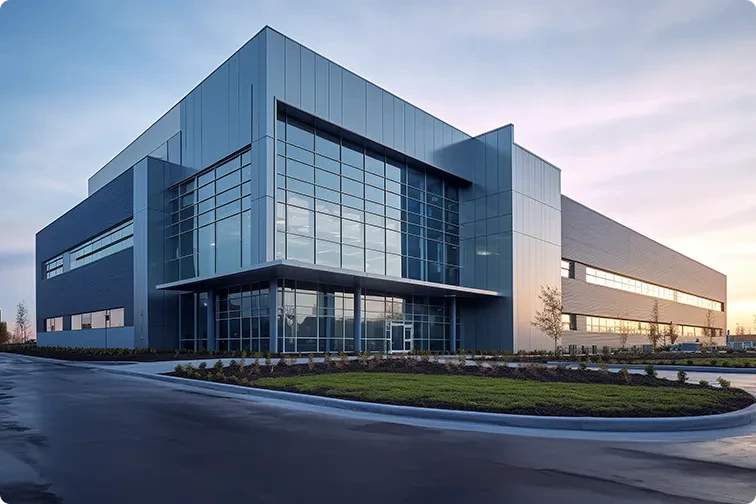
Shaoxing Boffo Light Co., Ltd. — Your Enterprise OEM/ODM Partner
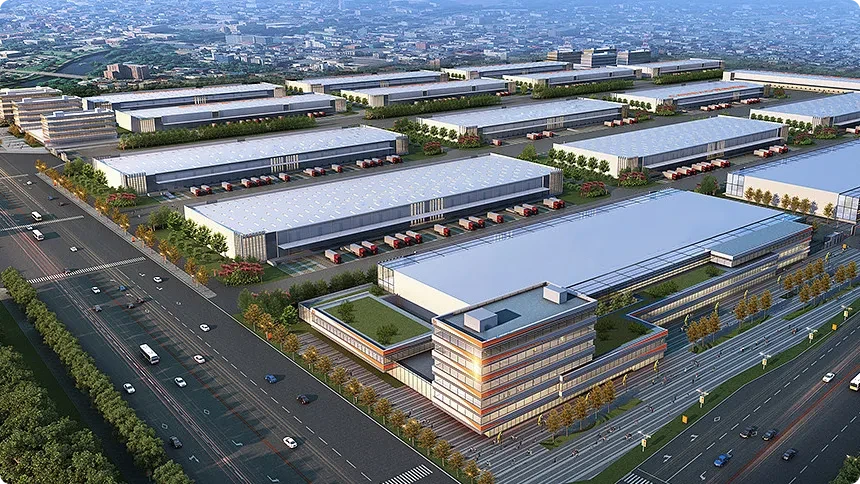
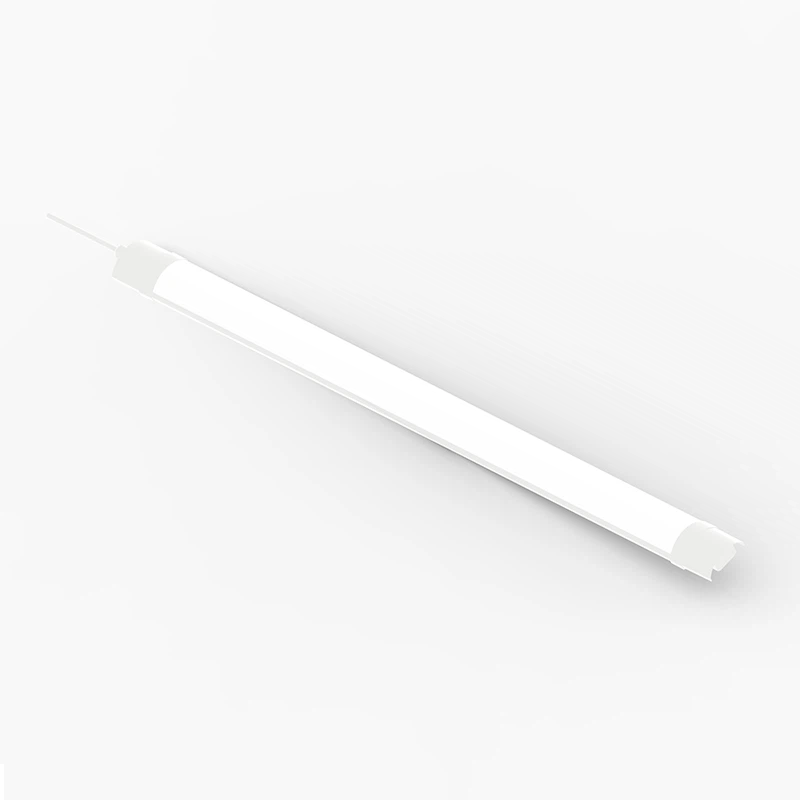
Leveraging over 15 years of industry tenure, our facility in Zhejiang manages complex design, rigorous prototyping, and high-capacity manufacturing. From waterproof tri-proof fixtures and explosion-proof lights to specialized UV LED configurations, we supply custom integrations that conform to demanding safety protocols.
The Strategic Advantages of China's UV LED Supply Chain
Procuring industrial-grade LED UV technology directly from a specialist China-based manufacturer like Shaoxing Boffo Light Co., Ltd. offers critical supply chain advantages. We streamline operations to reduce total cost of ownership (TCO) while matching the strict performance parameters of the global market.
Our integrated ecosystem in Zhejiang connects upstream optoelectronic raw materials with downstream fabrication. This geographic synergy allows us to address the three primary concerns of procurement officers:
1. Advanced Thermal Engineering
Unlike general lighting, UV LED chips convert only 15% to 30% of input electrical energy into photons; the remainder is dissipated as heat. Excessive heat degrades the junction temperature of the LED chip, shifting the peak emission wavelength and reducing irradiance. We employ high-conductivity metal core PCBs (MCPCB), combined with aircraft-grade aluminum extrusion profiles, to achieve low thermal resistance ($R_{th-js}$), maintaining stable performance over a 20,000-hour operational life.
2. Specialized Optical Designs
Standard PMMA (acrylic) and polycarbonate lenses degrade rapidly under high-energy UVA, UVB, and UVC radiation, leading to yellowing, clouding, and output loss. To mitigate this degradation, our optical team engineers systems with premium-grade quartz glass lenses or high-purity, UV-resistant silicone, ensuring long-term beam precision and high optical transmissivity.
3. Custom Wavelength Control
Industrial applications demand distinct, narrow-band wavelengths. Our optoelectronic engineers configure systems across the spectrum—including 365nm, 385nm, 395nm, and 405nm bands—tailored to specific photoinitiator profiles in modern adhesives and inks.
"Enterprise buyers need more than a generic lighting fixture. They require custom, certified radiation systems configured for complex production machinery, backed by thermal management, traceable testing metrics, and strict compliance documentation."
Traceable Testing Standards
Every UV system batch undergoes intensive photobiological, thermodynamic, and spectral testing with traceable reports.
OEM/ODM Adaptability
Custom mechanical frames, specific lens angles, and complex electronic controls designed to integrate into legacy hardware setups.
Comprehensive Support
Direct access to our engineering team, with localized compliance assistance, schematic layouts, and hardware integration support.
Localized Application Scenarios & Strategic Engineering Solutions
The practical application of CE Certified LED UV lights extends across diverse industrial and commercial sectors. High performance depends on tailoring the radiation wavelength and physical form factor to the specific operational environment.
High-Speed Commercial Curing & Packaging
In regions with strict environmental regulations like Germany, France, and Northern Europe, traditional mercury-vapor lamps are phase-out candidates due to ozone emissions and high energy consumption. UV LED curing systems mounted on flexographic or offset printing lines provide instant on/off capabilities, eliminating the heat-up and cool-down phases of older technology. With optimized radiation profiles centered at 395nm, printers achieve higher curing speeds on heat-sensitive plastic films, preventing substrate deformation and reducing scrap rates.
Automotive Adhesive Bonding & Assembly
Modern automotive manufacturing relies on UV-cured adhesives for glass bonding, sensor sealing, and structural assembly. The curing process requires consistent, high-irradiance exposure to ensure complete cross-linking of the polymer. By utilizing localized UV LED systems integrated into robotic end-of-arm tooling, manufacturers apply precise exposure cycles, monitored in real-time by integrated sensors to confirm curing quality and output consistency.
Water Purification & Surface Sterilization
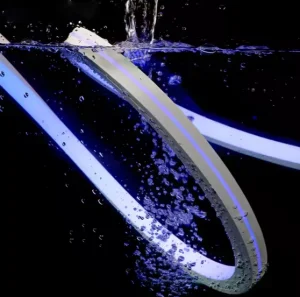
Short-wave UVC radiation (254nm - 280nm) is highly effective for chemical-free disinfection. For food processing facilities and medical centers, our custom LED modules provide consistent irradiation to neutralize bacteria and viruses without chemical residues. Utilizing IP68 waterproof ratings, these systems function reliably in high-humidity or submerged environments, aligning with strict local health and safety regulations.
Controlled Environment Agriculture (CEA)
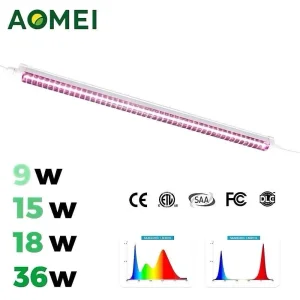
Beyond curing and disinfection, supplemental UV lighting is used in greenhouse cultivation and vertical farming. Controlled, low-dose UV exposure activates secondary plant metabolites, enhancing terpene, cannabinoid, and nutritional profiles. Our customizable spectrum T8 grow lights and integrated strip fixtures allow growers to apply precise UV wavelengths at key points in the cultivation cycle to influence plant development.
Navigating Compliance & Global Procurement Requirements
For international buyers, sourcing industrial equipment involves navigating complex customs, safety, and operational standards. A failure to comply can lead to shipment delays or liability issues. Below is our framework for ensuring seamless global procurement.
Technical Documentation and Traceability
We provide full documentation for every shipment, including detailed Declaration of Conformity (DoC) records, third-party test reports for LVD and EMC directives, and photobiological safety assessments. This documentation ensures rapid customs clearance and satisfies internal quality audits.
Strict Mechanical and Electrical Quality Control
All input materials undergo strict incoming quality control (IQC). High-power drivers are tested under full-load thermal conditions, and optical arrays are checked with spectrometers to verify wavelength and irradiance profiles before final assembly.
Industrial Q&A: Key Insights for Procurement Officers
Detailed answers to the most common questions regarding LED UV technology, compliance standards, and custom manufacturing processes.
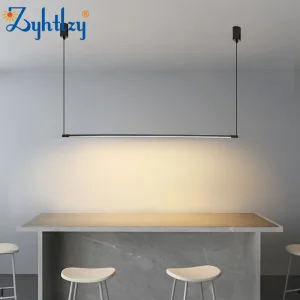
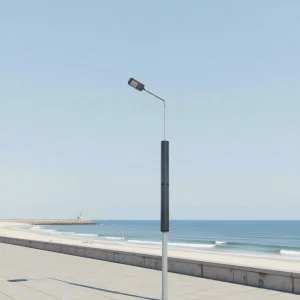
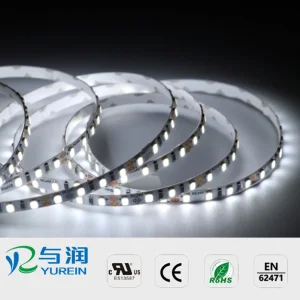
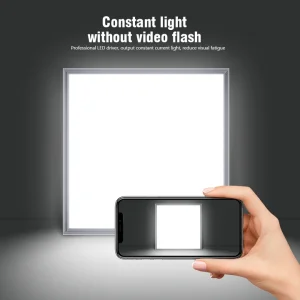
Commercial & Custom LED Solutions
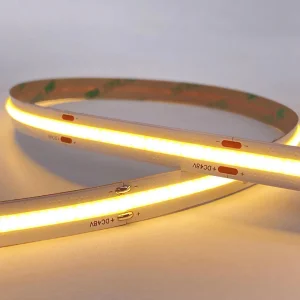
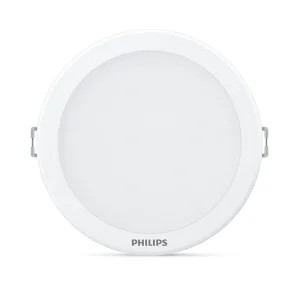
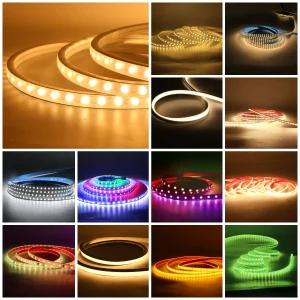
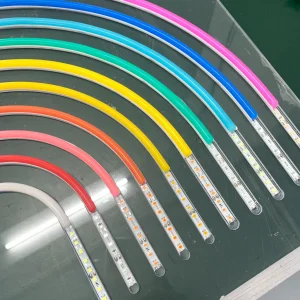
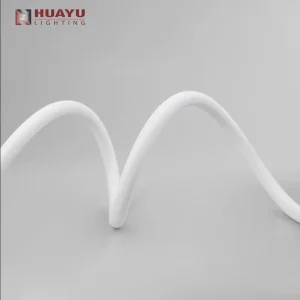
Explore our additional range of commercial panels, flexible strip systems, and specialized outdoor lighting options, built to the same high quality standards.